
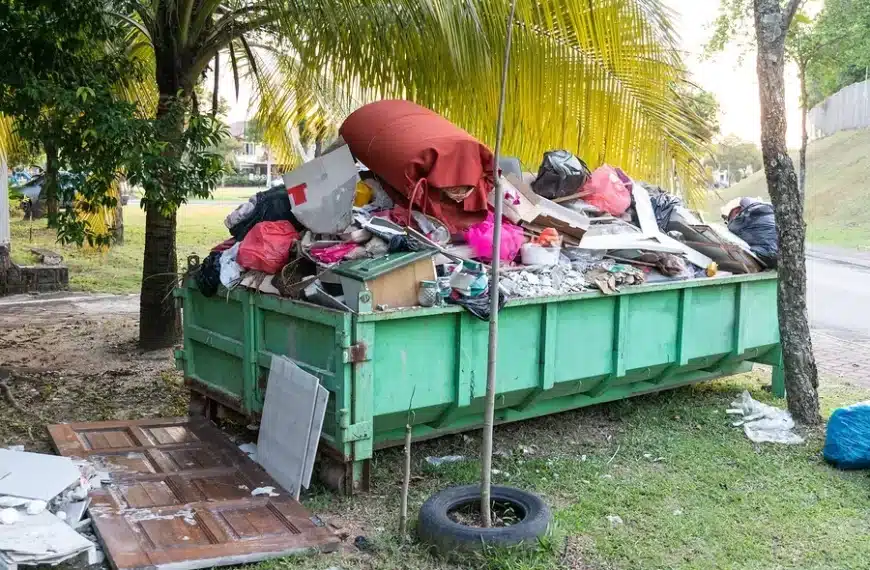
If you’re tackling a home renovation, garden clean-up, or large-scale decluttering project, skip bin hire can be one of the most convenient and cost-effective ways to manage your waste. However, many Sydney homeowners and businesses end up paying more than necessary simply because they choose the wrong bin size or service type. Understanding how to select the right skip bin can help you save money, reduce hassle, and keep your project running smoothly from start to finish.
Why Choosing the Right Skip Bin Size Matters
Selecting the correct skip bin size is the first and most important step. A bin that’s too small can result in overflow, forcing you to order a second one — which doubles your cost. On the other hand, a bin that’s too large means paying for unused space.
In Sydney, skip bins typically range from 2 cubic metres (ideal for small clean-ups) to 12 cubic metres or more (perfect for large construction or demolition projects). By estimating your waste volume accurately, you can avoid unnecessary expenses and ensure your rubbish is collected efficiently.
Common Skip Bin Sizes and Their Uses
Here’s a quick breakdown to help you match your waste load to the right bin size:
2–3 Cubic Metre Bins
- Ideal for small home clean-ups, spring cleaning, or garden waste.
- Fits roughly 25–30 standard garbage bags.
- Perfect for light household rubbish and small furniture items.
4–6 Cubic Metre Bins
- Best for medium-sized projects such as kitchen or bathroom renovations.
- Handles mixed waste including wood, tiles, and metal scraps.
- A popular choice for residential and small commercial jobs.
7–9 Cubic Metre Bins
- Suited for major renovations, landscaping, or office clean-outs.
- Can handle bulky waste and larger debris like bricks or concrete (depending on the type).
10–12 Cubic Metre Bins
- Designed for construction, demolition, or large commercial projects.
- Great for heavy and mixed waste in high volumes.
Choosing a bin based on the type and volume of waste you’ll produce ensures you don’t overpay for space you don’t need.
Tips to Save Money on Skip Bin Hire
Hiring a skip bin in Sydney doesn’t have to be expensive. With a few smart choices, you can keep costs low without compromising on service quality.
1. Sort Your Waste Beforehand
Many skip bin companies charge extra for mixed waste. By separating recyclables, green waste, and general rubbish, you may qualify for a lower rate.
2. Avoid Overfilling
Filling your bin above the rim can lead to additional fees or even refusal of collection. Load it evenly and stay within the maximum fill line.
3. Book the Right Duration
Don’t keep your skip bin longer than necessary. Most companies offer flexible hire periods, so plan your project timeline and book accordingly to avoid extension fees.
4. Compare Local Providers
Prices for skip bin hire in Sydney can vary depending on the company, location, and bin size. Always compare a few quotes — including delivery and disposal fees — before booking.
5. Choose a Local Skip Bin Company
Local providers often offer faster delivery, lower transport costs, and better knowledge of local waste regulations. Supporting a Sydney-based business can also mean more responsive customer service.
What You Can and Can’t Put in a Skip Bin
Before loading up your skip, it’s important to know what’s allowed. Acceptable items generally include:
- Household junk (furniture, toys, appliances)
- Construction waste (bricks, concrete, metal, timber)
- Garden waste (soil, branches, leaves)
However, hazardous materials such as asbestos, batteries, chemicals, or paints are typically not permitted. Always check your provider’s waste policy to avoid penalties or collection delays.
Environmentally Friendly Skip Bin Hire
Choosing a reputable skip bin hire company in Sydney isn’t just about convenience — it’s also about sustainability. Many providers sort and recycle as much waste as possible, reducing the amount sent to landfills. When comparing services, look for companies that promote eco-friendly disposal practices or partner with recycling facilities.


