
Properly maintaining the trees on your property not only boosts curb appeal but also plays a crucial role in ensuring the safety of your family and home. Healthy, well-placed trees add significant value to your property, providing shade, cleaner air, and a welcoming environment. However, when a tree shows signs of decline or poses risks due to disease, storm damage, advanced age, or its proximity to essential structures, responsible removal becomes necessary for the safety of everyone. It is essential to recognize when intervention is needed to prevent putting people and property at risk. Understanding when and how to act, as well as leveraging professional tree removal services, can make a significant difference in the outcome. Professional input not only ensures safe removal but can also guide future planting decisions that enhance your landscape for years to come.
Tree removal isn’t just about cutting down a trunk—it’s about evaluating hazards, following safe procedures, and planning for the future health of your landscape. Many homeowners underestimate the complexity and dangers involved with even seemingly simple removals, which can lead to damaging accidents or costly legal and repair bills. Having the proper knowledge about risk identification, safety practices, and post-removal restoration empowers you to make wise choices and avoid mistakes that could have long-term repercussions for both your yard and your wallet. Additionally, learning about local regulations regarding tree removal can help you stay compliant and avoid unexpected fines.
Identifying Hazardous Trees
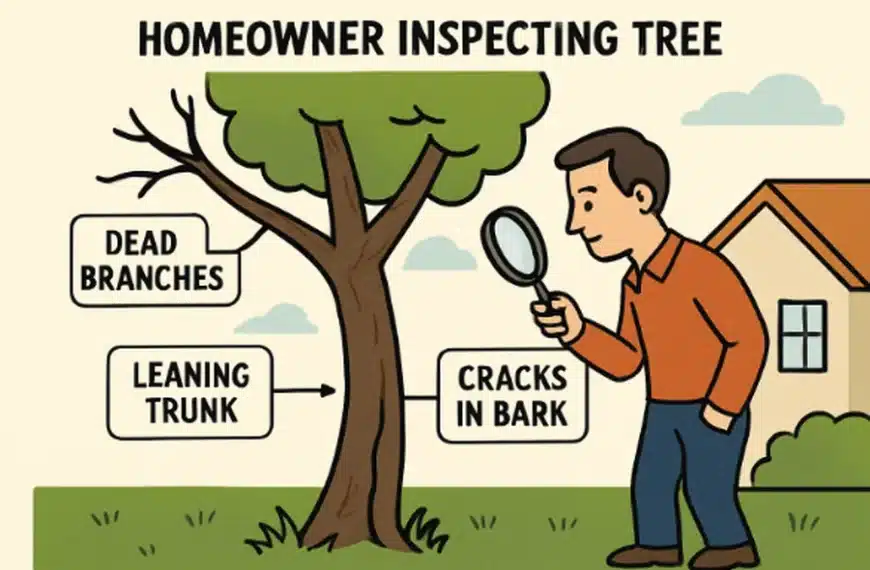
Begin by observing the trees around your home regularly. Awareness is the first step to ensuring safety. A tree that needs to be removed will often display clear warning signs, making early intervention possible and potentially stopping problems before they become crises:
- Dead, brittle, or falling branches, particularly those hanging over targets like roofs, driveways, playgrounds, sidewalks, or frequently used outdoor areas.
- Limbs or entire trees that lean precariously or rub against other branches or structures can indicate unstable root systems or weakened structural integrity, accelerating their decline.
- Cracks in the trunk, hollow cavities that may harbor insects or animals, or advanced signs of pest infestation like sawdust at the base, bark loss, or unusual fungal growth.
Ignoring these red flags can put your property and family at risk, especially during storms or high winds, when weakened trees may fall unexpectedly. Homeowners should prioritize frequent inspections—especially following adverse weather, such as winds, heavy rains, or ice —as these conditions can rapidly exacerbate underlying health issues or structural weaknesses. Proactive checks are a proven way to prevent accidents and expensive property damage, often identifying issues that would be missed without a thorough examination. This diligence can also help prevent the spread of disease to other trees in your yard.
The Risks of DIY Tree Removal
While it may seem cost-effective to remove small or medium trees yourself, even experienced DIYers face serious hazards. Falling trees or branches can severely injure individuals, crush vehicles or roofs, and cause power outages if they come into contact with overhead lines. Trees can unexpectedly twist, split, or fall in unintended directions, jeopardizing not only your house but also those of your neighbors. If you lack professional experience, the risk of injury, property loss, or inadvertently violating local regulations is high. Inadequate tools and knowledge raise the risk of injury, property loss, and costly mistakes that homeowners’ insurance often won’t cover without proof of professional involvement. Moreover, the use of chainsaws and ladders creates additional dangers for those without safety training.
Professional tree removal providers are equipped with advanced rigging systems, safety gear, and expertise in controlling the fall of heavy branches. They use ropes, harnesses, and machinery that drastically reduce the possibility of accidents. They also adhere to industry safety standards and are trained to manage emergencies, reducing the likelihood of neighborhood interruptions, injuries, or accidents. As highlighted by the Better Business Bureau, relying on expert help for larger projects is always the wiser choice. Many professionals are also insured, providing you with additional financial protection in the event of unexpected accidents during the process.
Benefits of Hiring Professional Tree Services
Certified arborists bring in-depth knowledge and specialized equipment to each project, making the entire process more efficient and much safer. The benefits of choosing professionals include:
- Accurate diagnosis of tree health and risk evaluation for safe removal planning, ensuring you aren’t removing a potentially salvageable tree unnecessarily.
- Access to hydraulic lifts, cranes, and precise cutting tools for safe work in confined or elevated spaces drastically lowers accident risks on your property.
- Efficient clean-up and eco-friendly disposal of branches, wood chips, and stumps, leaving your landscape tidy and ready for new planting or restoration.
- Advice on suitable replacement trees to ensure landscape continuity and sustainability, along with guidance on placement to prevent future issues.
Enlisting professionals ultimately saves time, mitigates danger, and preserves the integrity of your property—making this investment a smart choice for long-term peace of mind. It’s also worth noting that a certified tree care specialist can spot early signs of disease or structural issues, helping to save other trees nearby and improving the overall health of your green spaces.
Preventive Measures for Tree Health
The best strategy for long-term safety and cost reduction is prevention. Proactive care often reduces or entirely avoids the need for emergency interventions. Homeowners are encouraged to make the following best practices part of their routine care to maintain a healthy, safe, and attractive landscape:
- Prune trees annually to remove weak, dead, or broken branches before they become severe hazards. Consider hiring a professional for large mature trees or those growing near homes, utilities, or power lines.
- Plant trees at a suitable distance from buildings, driveways, and power lines to prevent future removal costs and safety concerns. Proper planting locations provide trees with the space and resources they need to thrive without becoming hazardous.
- Monitor trees for symptoms of fungal diseases, boring insects, or other pest infestations and address problems early with targeted treatment. Early intervention helps keep individual trees—and your larger landscape—healthier for years to come.
Consistent attention to your landscape will extend the health and beauty of your trees, helping to maintain property value, curb appeal, and the functional benefits your trees provide. This approach also minimizes the chance of facing urgent or emergency removal situations, ultimately saving time, money, and reducing stress when storms or accidents occur.
Conclusion
Tree removal, when necessary, should be approached with caution, preparation, and the proper support. Recognizing the signs of hazardous trees, understanding the limitations and dangers of DIY removal, and utilizing professional services leads to safer, more attractive, and healthier properties. Preventive care remains a homeowner’s best defense against future risks, ensuring that trees remain both assets and safe companions in your outdoor space. By investing in the health and management of your trees today, you create a safer, more valuable, and resilient home environment for your family and your community.


