
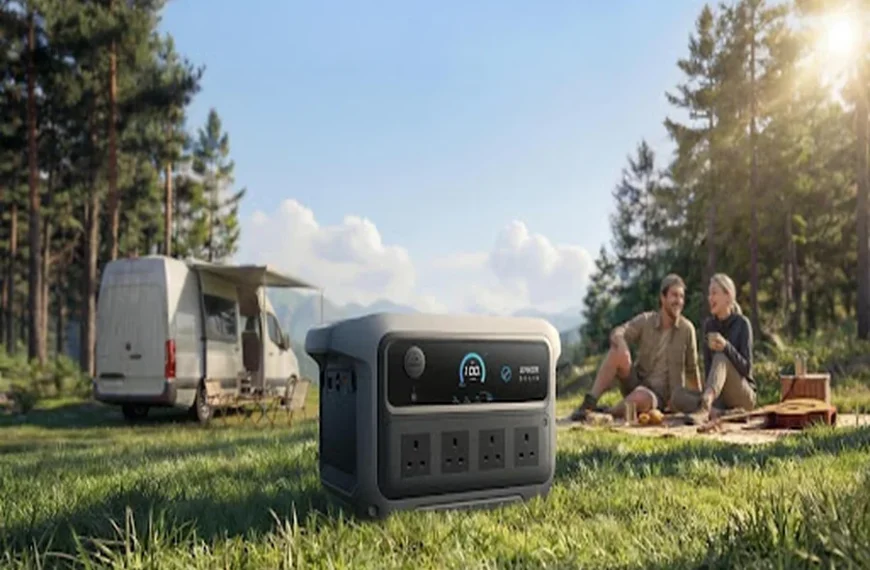
Portable power stations for caravans work best when matched to the way you actually travel. A one-night stop with phones, lights, and a laptop demands far less capacity than a long weekend running cooking gear, a coffee machine, or other campsite appliances. The best choice comes down to trip length, daily wattage, and how often you can recharge from mains power or solar. This guide breaks caravan use into clear trip types, then shows which power station fits each one, so you can buy enough power without carrying more size and weight than needed.
What Do You Need to Power Away From a Hookup?
Separate Essential Charging From High-Power Appliances
Start by listing what must run when your caravan is off-grid. Essential charging usually includes phones, tablets, cameras, LED lights, a Wi-Fi device, and maybe a laptop. These items draw modest power and suit smaller portable power stations. High-power appliances are different. A kettle, toaster, coffee machine, hair dryer, induction hob, or electric heater can place heavy demands on output and battery capacity very quickly. Separating these two groups gives you a realistic picture of your needs. It also stops you from overbuying for simple charging or underbuying for trips where you expect household-style convenience at the pitch.
Calculate Your Energy Needs Between Recharging Stops
After identifying your devices, estimate how much energy you will use before the next recharge. Battery capacity is measured in watt-hours, so multiply each appliance’s wattage by the number of hours used per day, then total it across the trip. A 60W cool box running for several hours affects sizing far more than topping up a phone. Also allow a margin for conversion losses and unexpected use. If you regularly move between serviced sites, you can recharge often and choose smaller. If you stay off-grid for longer stretches, a larger portable power station gives more practical freedom and fewer charging interruptions.
Best Portable Power Station Options for Different Caravan Trips
Anker SOLIX C300X for Basic Charging on Short Breaks
For overnight stops and short breaks, the Anker SOLIX C300X suits caravan users who mainly need dependable charging rather than appliance-level power. Its 288Wh capacity and 300W output fit phones, tablets, cameras, portable lighting, routers, and occasional laptop use without taking up much room. That makes it a sensible pick for couples, solo travellers, or families using campsites where most heavy loads stay switched off. If your usual pattern is one or two nights away with access to recharge soon after, this smaller unit keeps essentials covered while avoiding the bulk and cost of a much larger power station.
Anker SOLIX C1000 Gen 2 for Weekend Appliance Use
The Anker SOLIX C1000 Gen 2 is the strongest all-round option for many caravan weekends because it balances useful capacity with enough output for more demanding appliances. With 1,024Wh capacity, 2,000W rated output, and 600W maximum solar input, it can support everyday charging plus selected kitchen or comfort devices during short off-grid stays. It suits travellers who want more than phone charging but do not need a large reserve for extended touring. For two- or three-day trips, this model offers a practical step up, especially if you expect to top up with solar or want stronger appliance flexibility between hookups.
Anker SOLIX C2000 Gen 2 for Higher Daily Energy Needs
For longer caravan stays or heavier daily use, the Anker SOLIX C2000 Gen 2 is the best fit. It provides 2,048Wh capacity, up to 4kWh expandable capacity, 2,400W rated output, and 800W maximum solar input, giving far more headroom for repeated appliance use and multi-device charging. This makes sense for families, longer off-grid stops, or travellers using power throughout the day rather than only in the evening. If you want fewer compromises around cooking, drinks, work devices, or backup energy, this model delivers the strongest capability in the range and better supports sustained use between recharging opportunities.
Which Practical Details Could Change Your Choice?
Check Solar Charging Opportunities and Available Storage Space
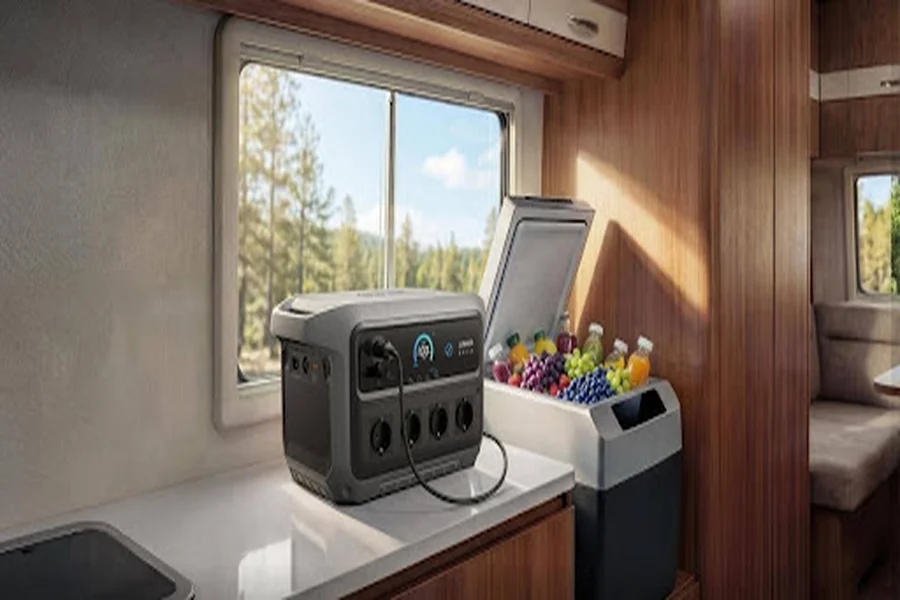
Your best portable power stations choice should also reflect how easily you can recharge on the road and where the unit will live inside the caravan or tow vehicle. If you often pitch in open sun, higher solar input can make a meaningful difference over a weekend or extended stay. If your usual sites are shaded, battery size matters more than solar potential. Storage is just as important. Measure lockers, under-seat areas, and lifting access before buying. A bigger power station may offer welcome capacity, but it still needs to fit safely, stay ventilated, and remain practical to move when setting up, packing down, or recharging elsewhere.
Confirm Appliance Connections and Caravan Hookup Compatibility
Before deciding, check that the power station supports the devices you actually plan to use. Look at plug types, AC sockets, USB ports, and charging leads so you are not relying on adapters for every connection. It is also worth confirming how the unit fits into your caravan routine. Some users only want standalone power for loose appliances and personal devices, while others want a simpler way to support selected equipment when no hookup is available. Matching outputs, charging habits, and appliance expectations prevents frustration later and helps you choose a portable power station that works smoothly in real touring conditions.
Conclusion
The best portable power station for caravans is the one that matches your trip length and power habits. Choose the Anker SOLIX C300X for short breaks focused on essential charging, the Anker SOLIX C1000 Gen 2 for balanced weekend appliance use, and the Anker SOLIX C2000 Gen 2 for longer stays or higher daily demand. By separating light charging from high-power appliances, calculating watt-hour needs, and checking solar and storage practicalities, you can make a clear decision. That gives you reliable off-grid power without overspending or carrying a system bigger than your caravan trips require.


