
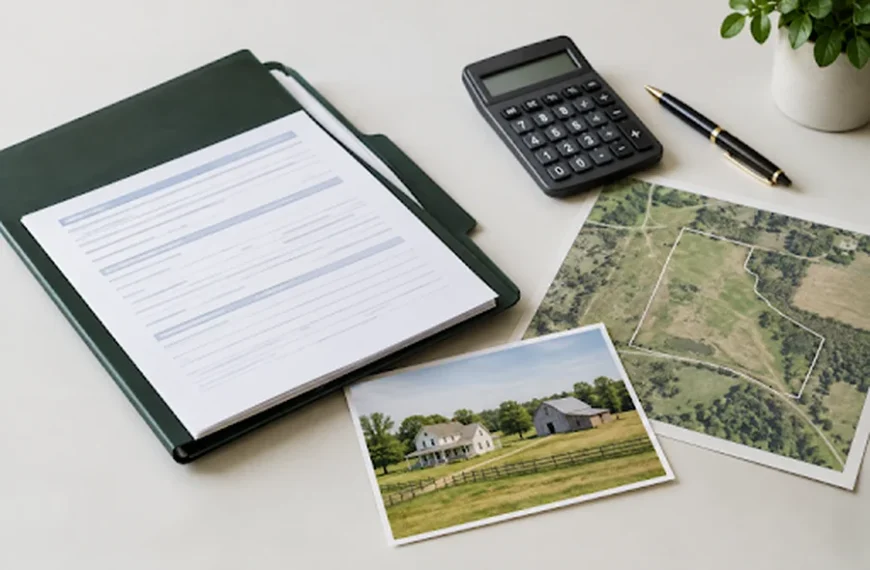
Buying acreage, a rural home, or an operating farm involves more than finding a property that looks right. Before approving farm loans, lenders need to understand both the borrower’s ability to repay and the property’s value, condition, and practical use.
A rural purchase may include a house, fields, pasture, barns, fencing, wells, septic systems, equipment storage, or leased ground. Each feature can affect appraisal, insurance, maintenance costs, and the type of financing that may fit the transaction.
Why Rural Financing Differs From A Standard Home Loan
A suburban home is often valued primarily by comparing it with recently sold homes nearby. A rural property may have fewer comparable sales and more variables to consider. Acreage may be recreational, residential, agricultural, timbered, leased, or a combination of uses. A lender and appraiser may need to separate the value of the home site from the value of productive land or specialized improvements.
For example, a buyer purchasing a house on several acres may be applying for residential financing. A buyer purchasing a residence with livestock facilities, crop income, and machinery storage may need a loan structure that accounts for both business activity and real estate.
What Lenders Review First
Although standards differ by lender and program, the initial review generally centers on the borrower, the property, and the proposed repayment plan. Lenders commonly examine:
- Credit history, payment patterns, and existing obligations.
- Verified employment, business history, and sources of income.
- Available down payment funds and cash reserves.
- The estimated value and condition of the property.
- The intended use of the land and improvements.
- Insurance availability, taxes, and expected ownership expenses.
A payment estimate should include more than principal and interest. Property taxes, homeowners insurance, mortgage insurance, when applicable, and other ownership costs can affect the actual monthly obligation. The total monthly payment is usually a more useful measure of affordability than principal and interest alone.
Income, Cash Flow And Debt
Lenders want evidence that payments can be made consistently, including during slower seasons or periods of uneven farm revenue. Wages, self-employment income, contract work, rents, farm sales, and documented recurring income may all be relevant, depending on the borrower’s situation and loan program.
Show The Full Financial Picture
Tax returns, bank statements, profit-and-loss statements, and debt records help show how income moves through a household or operation. Equipment notes, vehicle loans, credit cards, personal loans, and other recurring payments can reduce borrowing capacity by affecting the cash available for a new payment.
For seasonal income, prepare a simple cash-flow checklist that identifies expected revenue, operating expenses, annual debt payments, property taxes, insurance, and a reserve for repairs or unexpected costs. Projections should be realistic and should not assume perfect weather, prices, or production.
Property Details That Can Affect Approval
Physical and legal property details can cause delays if discovered late. Buyers should investigate the following items early in the process:
- Access: Confirm whether access comes from a public road, private road, shared driveway, or recorded easement.
- Water and wastewater: Review well information, water availability, septic records, and any required inspections.
- Zoning and land use: Verify that planned residential, agricultural, commercial, or mixed uses are allowed.
- Improvements: Identify barns, shops, greenhouses, silos, fencing, corrals, and other structures that may require appraisal review.
- Condition: Evaluate roofs, foundations, electrical systems, plumbing, heating, drainage, and deferred maintenance.
- Environmental exposure: Review flood risk, erosion, wildfire exposure, and drainage conditions.
Documents To Prepare Before Applying
Organizing documents before applying can reduce back-and-forth requests during underwriting. A practical file may include:
- Recent pay stubs or other income verification.
- Personal and business tax returns, when applicable.
- Bank, investment, and debt account statements.
- A property listing, purchase agreement, survey, and available appraisal records.
- Well, septic, access, zoning, insurance, and lease information.
- A business plan, operating budget, or projected cash-flow statement for income-producing land.
- Details about livestock, equipment, inventory, contracts, or existing farm leases.
Common Financing Paths To Compare
Different financing structures serve different property uses. Conventional rural property financing may fit a primarily residential purchase, while agricultural real estate financing may better match a working farm, ranch, orchard, or other income-producing operation. Operating financing can support seasonal production needs, while construction or improvement financing may help fund major repairs, new structures, or infrastructure upgrades.
Government-supported options may also be available to eligible producers. The USDA Farm Service Agency explains that its farm ownership loan programs can support eligible purchases, development, and improvements, with direct and guaranteed options that have different requirements. Program rules, availability, and underwriting standards should be confirmed before relying on any option.
Mistakes That Can Delay A Rural Loan
- Making an offer before confirming that the property fits the intended loan type.
- Underestimating taxes, insurance, utilities, road costs, repairs, and maintenance.
- Failing to disclose debts, financial accounts, leases, or irregular income.
- Changing jobs, opening new credit accounts, or taking on major debt during underwriting.
- Skipping inspections of wells, septic systems, roofs, barns, and outbuildings.
- Assuming every acre or structure will contribute equally to appraised value.
A Simple Loan-Readiness Action Plan
- Set a budget based on the full monthly ownership cost.
- Review credit reports and reduce avoidable revolving debt.
- Gather income, asset, debt, and property records.
- Define how the property will be used during the first year.
- Create a conservative operating budget if the land will produce income.
- Ask prospective lenders which property features require additional review.
- Compare rates, fees, loan terms, reserve requirements, and prepayment provisions.
- Confirm appraisal, inspection, insurance, and financing deadlines before signing a contract.
Final Thoughts
Rural financing is easier to evaluate when the borrower, property, and repayment plan tell the same clear story. Strong records, realistic budgeting, early inspections, and direct answers about land use can reduce surprises. Before moving forward, review final loan terms carefully and consult qualified lending, legal, tax, and property professionals when needed.


