
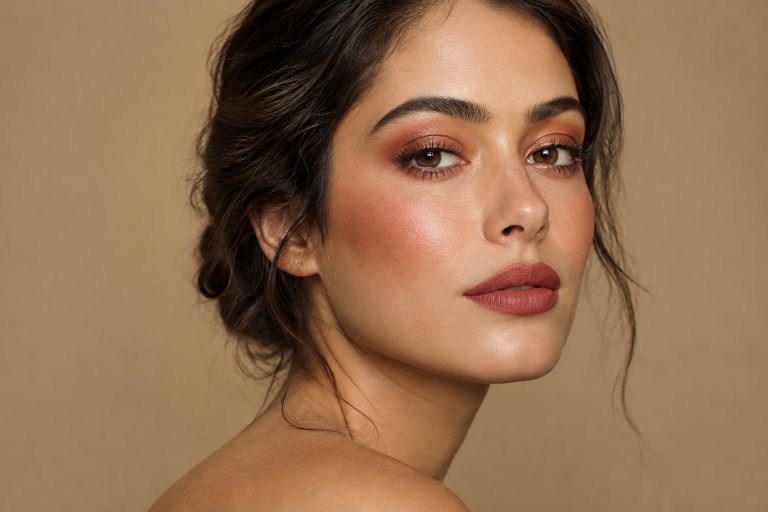
Mexico’s visual landscape offers endless inspiration for makeup that feels warm, artistic, polished, or playful. From sunlit terracotta walls and deep botanical greens to vivid textiles and evening celebrations, color can become part of an everyday beauty routine without requiring a dramatic full-face look. Exploring Mexican makeup products can also be a useful way to discover shades and finishes that encourage individual expression rather than one fixed idea of beauty.
The most flattering makeup is not necessarily the most complicated. A rich lip, a softly blended blush, or a colorful line at the lashes can create a complete look when it reflects your taste, works with your skin, and feels comfortable to wear in Mexico’s varied settings, from humid coastal days to dry highland afternoons.
Why Color-Forward Makeup Works
Color-forward makeup offers a practical way to express personality. It can be as subtle as a cinnamon-toned blush or as noticeable as a saturated red lip. The goal is not to make every feature compete. Instead, choose one feature to lead the look, then let the rest of the face support it. A basic understanding of color relationships and contrast can make this easier, especially when pairing warm, cool, muted, or bright shades.
Start With Your Personal Style
Before selecting a palette, decide how you want your makeup to feel. Choose three words, such as soft, confident, luminous, classic, playful, or artistic. Then look at the colors you already wear in clothing, jewelry, scarves, or accessories. A person who reaches for gold jewelry and clay-colored clothing may enjoy copper lids and brick lips. Someone drawn to silver, denim, and black may prefer berry blush and plum liner.
Personal style is more useful than copying a viral look exactly. A bright lip can bring energy to a simple white shirt, while a clean complexion and colorful liner can make an everyday outfit feel intentional.
Choose Colors By Undertone
Undertone refers to the overall cast that may appear beneath the skin’s surface. It is different from skin depth, which can range from fair to deep. Warm, cool, and neutral are starting points, not rules. Test complexion products along the jawline in daylight when possible, and notice whether the color blends naturally into the face and neck.
- Warm-leaning undertones: Try terracotta, copper, coral, bronze, warm brown, and orange-red shades.
- Cool-leaning undertones: Explore mauve, rose, berry, plum, soft gray, and blue-red shades.
- Neutral undertones: Consider brown-pink, balanced red, muted berry, soft bronze, and rose-brown shades.
Lighting, contrast, and personal preference matter too. A shade that breaks a traditional “rule” may become your signature color.
Build A Balanced Face
A balanced look begins with restraint, not a large product collection. Prepare skin with hydration, apply complexion makeup only where you want extra evenness, then add blush before deciding whether bronzer or contour is needed. Blush often brings enough warmth and shape on its own.
- Start with lightweight skin preparation.
- Use concealer or foundation selectively.
- Add cheeks with a light hand, building gradually.
- Choose your main statement feature.
- Keep the other features simpler.
As an easy guide, pair bold eyes with a softer lip, or pair a strong lip with clean skin, groomed brows, and minimal eye makeup.
Easy Ways To Add Color
Small placements make colorful makeup approachable. Trace a teal, burgundy, or bronze pencil along the upper lash line instead of attempting a graphic shape. Tap a brighter shadow at the center of the lid. Try a sheer stain before committing to opaque lipstick, or blend a vivid shade with a neutral brown to create a softer edge.
For a fresh finish in warm weather, apply cream blush in thin layers and press it into the skin with fingers or a sponge. In more humid conditions, setting only the T-zone can preserve cheek glow without making the entire face look flat.
Match Formula To Skin Type
Formula changes how color wears. Creams usually create a flexible, blended effect, while powders are useful for building intensity and setting areas that become shiny. Dry skin may prefer thinner layers and more emollient textures. Oily skin may benefit from targeted powder rather than applying it heavily everywhere. Combination skin can mix approaches, using a powder where needed and cream on drier areas.
If your skin is sensitive, introduce new products carefully. Dermatologists recommend that people test skin care products on a small area first before regular use, especially when a formula contains unfamiliar ingredients or fragrance.
Create Three Wearable Looks
Soft Everyday Color
- Use a light base or spot concealer.
- Add warm peach, terracotta, or muted rose blush.
- Define lashes with brown liner and mascara.
- Finish with a sheer balm, tint, or gloss.
One-Feature Statement Look
- Keep skin natural-looking, and brows brushed into place.
- Use minimal cheek color.
- Choose either a vivid red, berry, or brick lip, or a bright eye shade.
- Add mascara for definition.
Layered Evening Color
- Create a satin complexion with selective setting powder.
- Blend a deeper neutral shade along the lash line.
- Press a reflective color onto the lid or inner corner.
- Finish with a defined berry, brown, brick, or red lip.
Avoid Common Makeup Mistakes
- Buying a shade only because it looks good in an online video.
- Applying too much product before seeing it in natural light.
- Using a gray contour when a warmer bronzer would better suit the intended look.
- Skipping lip balm or gentle exfoliation before a matte, deep-colored lip.
- Using the same pressure with every brush and every product.
- Forgetting that flash photography can alter the appearance of texture and color.
Shop With More Care
Buy with a purpose. Check undertone descriptions, ingredient lists, and finish claims. Read reviews from people with similar skin depth or skin concerns, and ask whether the item fills a real gap in your routine. Multiuse products, such as a cream that works on cheeks and lips, can offer more flexibility than another single-purpose shade.
Final Takeaway
Expressive makeup does not demand expert technique, expensive tools, or a crowded makeup bag. One thoughtful color, a formula that suits your skin, and a clear focal point can create a polished result. Let Mexico’s rich range of color inspire experimentation, but make the finished look your own.


