
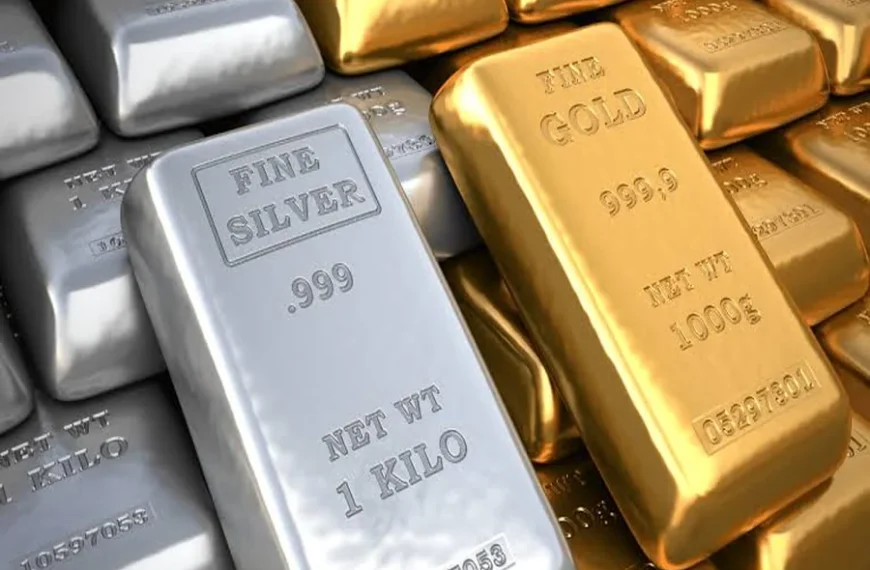
In an era of shifting economic tides and persistent inflation, finding reliable ways to protect your wealth is a priority for everyday Australians. As of late 2026, with the Australian Consumer Price Index sitting at an annual rate of 4.3 percent, domestic demand for inflation-resistant assets has surged. While many investors immediately look toward traditional stocks or real estate, physical precious metals are increasingly taking centre stage. Silver, in particular, offers a fascinating blend of historical safe-haven protection and modern growth potential, making it an ideal choice for anyone looking to fortify their financial future.
Why Silver Offers Unique Portfolio Protection
Precious metals have long been recognised as a standard defence against the eroding purchasing power of fiat currencies. Historical analysis by major Australian bullion organisations highlights that physical silver has often averaged returns exceeding 25 percent annually during periods of sustained structural inflation. Unlike gold, which is traded almost entirely based on financial sentiment, silver operates as both a monetary metal and an industrial commodity. This dual nature provides a unique safety net for cautious investors.
For retail investors looking to take their first step into tangible assets, finding an accessible starting point is crucial. Rather than committing thousands of dollars to a single ounce of gold, many wealth builders choose a 1 ounce silver coin to begin their journey. These coins are widely regarded as highly liquid and budget-friendly, offering identical physical wealth protection without the steep barrier to entry. Furthermore, the gold-to-silver ratio remained elevated in the 70 to 80 range throughout late 2026. Retail investors often monitor this metric closely, as it historically signals that silver is significantly undervalued compared to its yellow counterpart.
The Industrial Demand Driving Intrinsic Value
The global silver market is currently projected to record its sixth consecutive annual supply deficit in 2026, estimated at around 46.3 million ounces. This shortage is largely driven by structurally constrained mine production. Because more than 70 percent of new silver is produced as a by-product of mining base metals like copper and zinc, the mining sector cannot quickly scale up production to meet sudden surges in demand.
Simultaneously, the green energy transition and emerging technology sectors are consuming silver at record rates. According to a recent report by The Silver Institute detailing how technology sectors are driving global silver consumption, electric vehicles consume 67 to 79 percent more silver than internal combustion engine vehicles, and solar photovoltaics now account for 29 percent of all global silver industrial demand. This staggering industrial utility underpins the intrinsic value of the metal, ensuring it remains heavily sought after regardless of broader financial market fluctuations. Additionally, artificial intelligence data centres and global 5G telecommunications infrastructure are forecast to add tens of millions of ounces to annual consumption by 2027.
Key Benefits of Adding Tangible Assets to Your Strategy
Whether you are a seasoned trader or a newcomer, allocating a portion of your wealth to physical bullion offers distinct advantages. The unique characteristics of this metal make it a highly strategic addition to a modern Australian investment plan.
One major benefit is the potential for tax advantages. Under Australian Taxation Office regulations, investment-grade physical silver possessing a minimum 99.9 percent purity in recognised coin or bar form is exempt from the Goods and Services Tax (GST).
Another advantage is the creation of currency buffers. For Australian buyers, the local value of physical bullion is buffered by the AUD/USD exchange rate. A weaker Australian dollar naturally boosts the portfolio value of locally held assets, even if global spot prices remain flat.
Retirement integration is also becoming increasingly popular. Over 600,000 Self-Managed Super Funds (SMSFs) in Australia are now using physical bullion to diversify their retirement portfolios, often storing these assets in secure, non-bank private vaulting facilities to pass standard annual audits.
Finally, physical silver offers exceptional global liquidity. Minted coins backed by sovereign entities carry legal tender status and strict purity guarantees, ensuring immediate resale liquidity on the global open market.
Navigating the Precious Metals Market
Successfully integrating tangible commodities into your broader financial plan requires a balanced approach. Just as you would diversify across different equity sectors or property markets, blending physical metals with traditional investments helps smooth out overall portfolio volatility. By combining the wealth preservation qualities of bullion with the income generation of equities, investors can build a highly resilient foundation that withstands economic shocks.
Education and strategy remain your best tools when entering this space. For those interested in building a resilient long-term investment portfolio, understanding the distinct behaviours of different asset classes is essential. By taking the time to research storage options, track industrial consumption trends, and monitor exchange rates, you can confidently position your finances to weather future economic storms.
Ultimately, diversifying with tangible assets is not about abandoning traditional financial systems. It is about adding a proven layer of security and growth potential to your wealth strategy. With its strong industrial fundamentals and historic role as reliable money, silver stands out as a smart, accessible choice for today’s proactive investor looking to preserve their purchasing power.


