
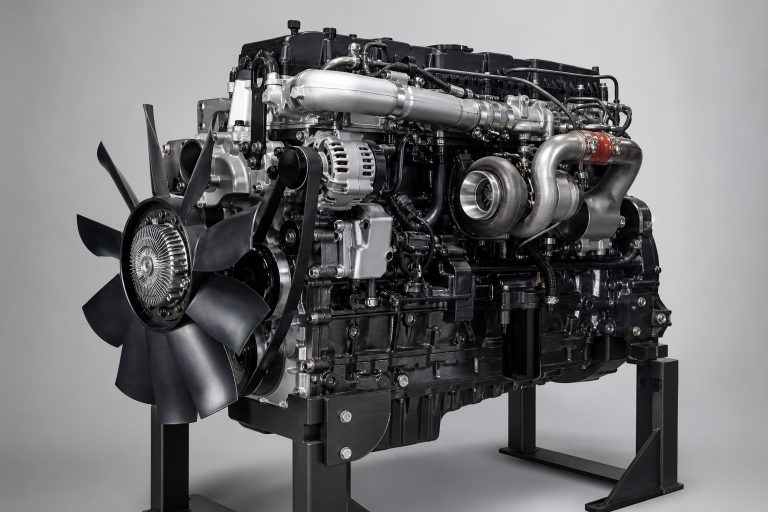
When a heavy-duty diesel starts consuming oil, overheating, losing power, or returning the same fault codes after multiple repairs, the decision is rarely as simple as fixing one part. Whether the equipment uses a Cummins ISX engine or another heavy-duty platform, the right choice depends on the engine's condition, the equipment's workload, and the cost of keeping it out of service.
Fleet owners, contractors, and owner-operators should compare repair, rebuild, repower, and replacement options before authorizing major work. A careful plan can protect uptime, reduce repeat repairs, and help ensure the entire powertrain is prepared for dependable service after the project is complete.
Signs That an Engine May Need Major Work
Low oil pressure, excessive crankcase blow-by, metal in the oil filter, unexplained coolant loss, blue or white smoke, rising oil consumption, and repeated overheating all deserve attention. Heavy black smoke, knocking noises, weak pulling power, and recurring electronic faults can also point to deeper mechanical, fuel, air, or aftertreatment problems.
One symptom does not automatically mean the engine needs replacement. Start with oil analysis, compression or leak-down testing, cooling-system pressure testing, a fault-code review, and a visual inspection for leaks, damaged wiring, loose connections, and contaminated fuel. These checks help separate a repairable component failure from worn liners, damaged bearings, a cracked head, or a compromised block.
Repair, Rebuild, Repower, or Replace?
Each option has a place, but each carries a different level of cost, risk, and downtime.
- Repair: Best when testing identifies one isolated failure, such as a turbocharger, injector, sensor, water pump, or gasket, and the rest of the engine is healthy.
- In-frame rebuild: Replaces selected internal components without fully removing the engine. It can work well when the block and crankshaft remain serviceable.
- Out-of-frame rebuild: Removes and fully disassembles the engine for deeper inspection, machining, and correction of hidden damage.
- Repower: Installs a different or updated engine in existing equipment. This may improve capability, but it adds compatibility and regulatory considerations.
- Complete replacement: Installs another assembled engine matched to the application. It can reduce installation uncertainty when the original engine has suffered severe internal failure.
A low-cost repair can become expensive if a damaged crankshaft, a contaminated fuel system, a weak cooling package, or a worn block remains in service. The best option is the one that restores reliable operation for the truck or machine's expected remaining life.
How to Calculate the True Cost
Use total project cost rather than the engine quote alone. Include the engine or rebuild price, removal and installation labor, machining, freight, taxes, core charges, fluids, filters, hoses, belts, sensors, programming, and supporting repairs. Also include lost revenue during the equipment's unavailability.
Total project cost = parts + labor + supporting repairs + downtime + future risk.
For example, a rebuild may have a lower initial invoice than a replacement engine. However, if the rebuild requires extensive machine work, extra parts, and two additional weeks of downtime, the faster replacement may cost less overall for equipment that earns revenue every operating day. Compare warranty coverage, expected service life, and the likelihood of having to reopen the job later.
Checking Engine and Equipment Compatibility
Physical fit is only the starting point. Confirm horsepower and torque requirements, vehicle weight, duty cycle, engine mounts, bellhousing pattern, transmission, PTO, driveline, accessory drives, intake routing, exhaust routing, fuel-system design, and available service access.
Electronic compatibility matters just as much. The engine control module, sensors, wiring harness, instrument cluster, communication network, and aftertreatment components must work together. An engine may bolt into the chassis but still perform poorly or fail to run correctly if the cooling package, software, wiring, or exhaust system does not match.
Managing Heat and Emissions Requirements
An engine change can alter airflow, underhood temperature, charge-air cooling needs, fan control, radiator demand, heat shielding, and exhaust clearance. Inspect the radiator, charge-air cooler, fan, shroud, water pump, hoses, and coolant passages before installation. Reusing a restricted radiator or weak fan system can cause the replacement engine to overheat before it has a fair chance to perform.
Emissions requirements should be part of the plan from the beginning. Confirm that the replacement configuration is appropriate for the equipment's intended use, retain required emissions components, and check federal, state, and local rules before modifying a certified system. The EPA's heavy-duty highway engine standards provide a useful starting point for reviewing applicable on-road requirements.
For fleets evaluating cleaner replacement options, the EPA notes that diesel-reduction programs can support certified engine replacements and other upgrades for eligible equipment. Its diesel emissions reduction program also illustrates why certification status and properly matched components matter during replacement planning.
Pre-Installation Inspection Checklist
- Record the equipment identification number, engine serial number, and current configuration.
- Photograph wiring, hoses, brackets, sensors, mounts, and exhaust connections.
- Inspect the transmission, clutch, PTO, and driveline for related wear.
- Pressure-test the cooling system and inspect the radiator and charge-air cooler.
- Check fuel tanks, lines, filters, and contamination history.
- Review fault codes, maintenance records, and prior repair invoices.
- Measure clearance and verify mounts, bellhousing, and accessories.
- Plan for fresh fluids, filters, seals, belts, and hoses.
- Request test records and warranty details before accepting the engine.
Planning Around Downtime
Delivery time is not the same as project completion time. Create a schedule that includes parts lead times, removal, inspection, installation, programming, first-start testing, and a post-installation check. Order supporting parts before the engine arrives, reserve backup equipment when possible, and allow time for damage discovered after removal.
Questions to Ask Before Ordering
- What application was the engine designed for?
- Which parts are new, rebuilt, inspected, or reused?
- What testing was completed before shipment?
- What does the warranty cover, including labor and freight?
- Is a core required, and what condition must it be in?
- Are the turbocharger, fuel, cooling, and control-system components included?
- What information is needed to confirm compatibility?
Final Planning Tips
The best engine decision depends on equipment condition, repair history, workload, expected service life, and the daily value of uptime. Diagnose before ordering, compare the full project cost, inspect supporting systems, and confirm compatibility before installation. A replacement plan built around reliability, legal compliance, and service access is far more likely to keep equipment productive for the long term.


