
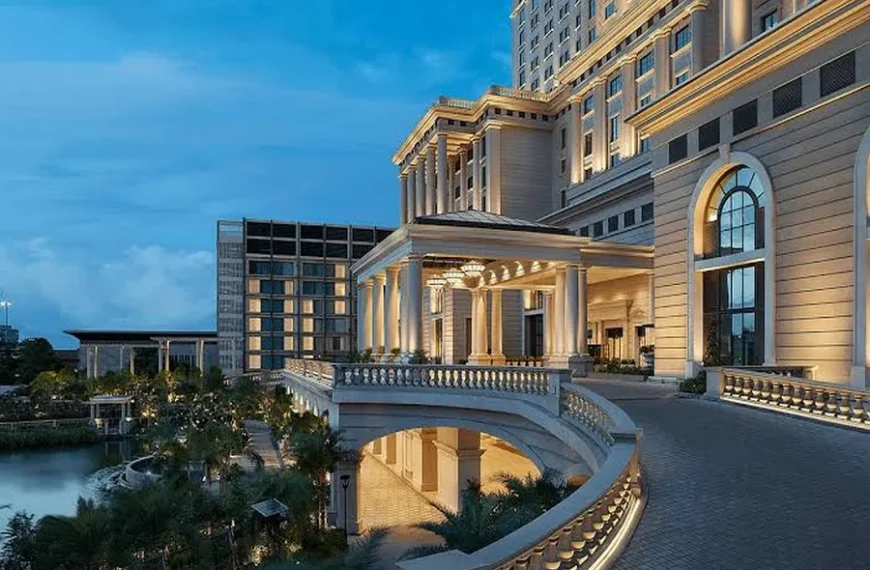
There is a particular kind of traveler who walks into a 600-room resort and feels their shoulders tense. The lobby echoes. The pool is lined with identical loungers claimed at dawn by rolled-up towels. Dinner is a buffet under fluorescent light, and the room looks exactly like the one they stayed in three countries ago. For years, that traveler simply accepted it as the price of a vacation. Not anymore.
Boutique hotels have quietly become the first choice for people who want a trip to feel personal rather than processed. Here is why the shift is happening, and what to look for if you are ready to make it yourself.
Scale changes everything
The most obvious difference is size. A boutique property usually has somewhere between ten and fifty rooms, and that number shapes the entire experience. Staff learn your name by the second morning. The person at the front desk can tell you which beach is calm today, not which one appears in a brochure. Requests are handled by people who can actually make decisions, not routed through three departments.
Smaller scale also means less noise in every sense. There are no conference groups marching to a ballroom, no wristbands, no loudspeakers announcing aqua aerobics. You get space to read, nap, and hear the ocean instead of a DJ.
Design with a point of view
Large chains are built to be consistent. That helps on business trips, but not when you crossed an ocean to feel somewhere new.
Boutique hotels tend to be designed by people with a strong sense of place. You might find locally made ceramics, art by painters from the neighborhood, tiles that reference the town’s architecture, or a palette pulled straight from the landscape outside. Rooms are often all different from one another, so returning guests ask for a specific suite the way they would ask for a favorite table at a restaurant.
Thoughtful design changes how you feel in a space. Natural light, plants, good linen, and furniture made for lounging rather than for durability statistics all add up to rest that actually restores you.
Location in the real neighborhood
Resorts are frequently built on isolated stretches of coast, which makes leaving the property a project. Many travelers end up eating every meal on site because a taxi into town feels like an expedition.
Boutique hotels are more often woven into real neighborhoods. Step outside and you are a block from the beach, a short walk from a family-run café, or minutes from a historic district. That proximity encourages you to explore, spend money with local businesses, and see how people actually live in the place you are visiting.
Food that reflects values
Hotel dining used to mean the same club sandwich everywhere on earth. Smaller properties have far more freedom with their kitchens. Some focus on regional dishes, others on seasonal produce from nearby farms, and a growing number build their menus around plant-based cooking. For travelers with specific dietary preferences, this can be the difference between a frustrating trip and a delicious one.
Service that feels human
Good boutique service is quiet and intuitive. It looks like a hand-drawn map left on your bed, a recommendation for a hike that matches your fitness level, or a welcome drink made with fruit from a nearby market. Because teams are small, staff often stay longer and know the area deeply, which makes their advice genuinely valuable.
What to look for when choosing one
Not every small hotel delivers on the promise. A few signals help separate the real thing from a rebranded motel:
- A clear identity. The best properties can explain who they are for, whether that is couples, solo travelers, or design lovers.
- Unique rooms. Look at photos of several rooms. If they all look different, someone put thought into each one.
- Local partnerships. Guided tours with independent operators, local artists on the walls, and regional products in the bathroom are good signs.
- Thoughtful policies. Quiet hours, adults-only areas, or pet-friendly rooms show the hotel knows its guests.
- Recognition from respected critics. Independent awards and serious travel press often highlight small hotels that big booking sites overlook.
A different idea of luxury
For a long time, luxury meant more: more marble, more pools, more staff in uniform. The travelers driving the boutique boom define it differently. Luxury is a room that feels like it belongs to the place. It is a quiet courtyard, a breakfast cooked with care, and a host who remembers how you take your coffee.
Hospitality groups such as Dreamers Welcome show how far this idea can go, combining artist-designed rooms, plant-based food, and laidback service in a way that feels closer to staying with stylish friends than checking into a hotel.
If resorts have always left you cold, the solution may not be to travel less. It may simply be to travel smaller.


