
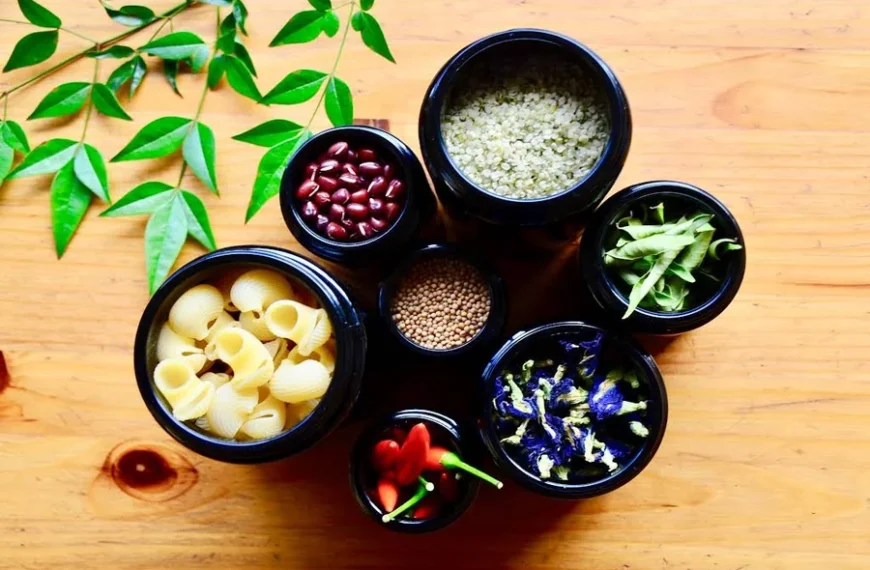
From farmers’ markets in California to boutique apothecaries in New England, makers of natural products are running into the same behind-the-scenes challenge: light exposure. Many formulations contain plant oils, extracts, and active ingredients that can change over time. When products sit under bright retail lighting or travel through warm delivery routes, packaging becomes part of quality control.
That is why more brands are turning to violet glass, also known as biophotonic glass. The goal is not marketing, but preservation. By limiting the wavelengths of light that reach the product, this packaging can contribute to a longer and more reliable shelf life.
What violet glass is
Violet glass is deep purple glass designed to block a large part of the visible spectrum that can contribute to product degradation. At the same time, it allows certain wavelengths to pass through. For those not working with packaging daily, the core idea is simple: compared to clear glass, violet glass is intended to offer better light protection.
This is relevant for products where oxidation and gradual degradation can affect aroma, color, texture, and performance.
Why it matters for local businesses
Small and medium-sized brands often have less room for waste. A batch that loses aroma or starts to separate too early can lead to returns, rework, or lost shelf space. Packaging that helps protect the formulation can reduce these risks, especially for:
- Skincare and cosmetics with essential oils, antioxidants, and botanical actives
- Herbal tinctures, balms, and wellness blends
- Aromatherapy products with volatile aromatic compounds
It can also support sustainability goals. If products remain stable for longer, fewer units are discarded and there may be less need for additional secondary packaging to compensate for light exposure.
Practical benefits to look for
For companies comparing packaging options, three benefits typically stand out:
- Light protection that can slow changes caused by exposure during storage and transport
- Quality preservation, resulting in more consistent aroma and appearance over time
- A premium packaging choice that communicates care and craftsmanship without unnecessary extra materials
With violet glass, the focus is on biophotonic protection and how light filtering can support product stability.
Where jars and bottles fit
The right format depends on use. Dropper bottles are common for serums and tinctures. Wide-mouth jars are typical for balms, creams, and powders.
Concentrated products such as waxes, resins, and thick extracts place an additional requirement on packaging: it must be easy to fill and access while still protecting the contents from light and aroma transfer. In those cases, concentrate jars often fit well because they are designed for dense, high-value formulations.
A quick checklist before switching
If you are considering a packaging change, ask a few basic questions:
- Is the formula sensitive to light, heat, or oxygen?
- Does the product sit under bright retail lighting for weeks?
- Is it shipped over long distances or exposed to variable conditions during delivery?
- How often do customers open and close the packaging?
In a crowded natural products market, trust is built through consistency. Packaging that supports stability helps protect the work that goes into every batch, from ingredient sourcing to ensuring the product performs the same on day one as on day thirty.


