
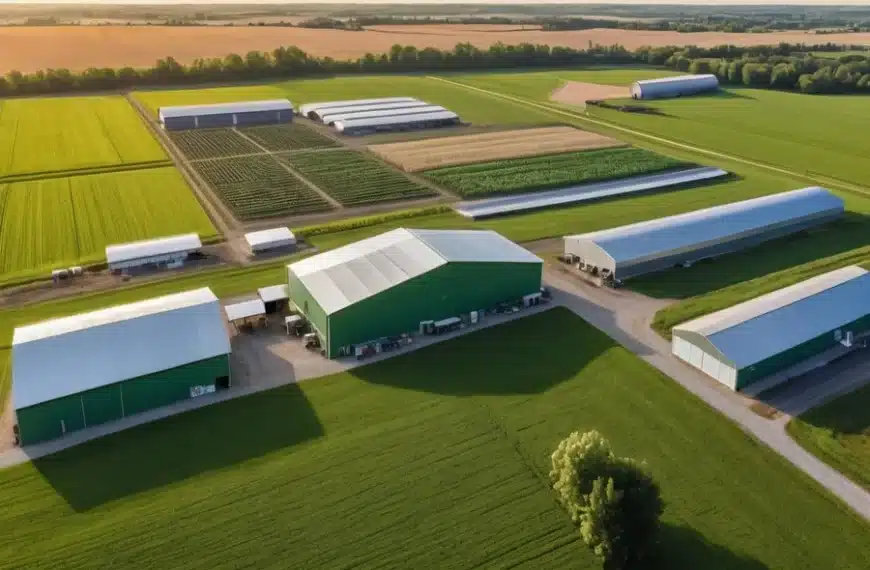
Building efficient livestock facilities is a critical step for any livestock farmer aiming to ensure animal welfare, maximize productivity, and streamline farm operations. The right design and planning can significantly impact the health of animals, operational efficiency, and long-term profitability. Whether you are setting up a new facility or upgrading an existing one, there are several key considerations to keep in mind.
1. Animal Welfare and Comfort
At the heart of any livestock facility is the well-being of the animals it houses. Proper ventilation, temperature control, and lighting are essential to create a comfortable environment that minimizes stress. Overcrowding can lead to health problems and reduced productivity, so it’s important to design space according to the specific needs of the livestock. Bedding, feeding, and watering systems should be easily accessible, promoting healthy growth and reducing the risk of injury or disease.
2. Facility Layout and Design
A well-planned layout ensures smooth operations and reduces labor requirements. Separate zones for feeding, resting, and waste management help maintain hygiene and simplify daily routines. The flow of animals should be considered carefully to prevent bottlenecks and minimize stress during movement. Additionally, the design should allow for easy access to all areas for cleaning, inspections, and veterinary care. Efficient layouts can significantly improve the overall productivity of a livestock operation.
3. Hygiene and Waste Management
Maintaining hygiene in livestock facilities is essential to prevent the spread of disease and ensure the health of both animals and workers. Implementing effective drainage systems, waste collection methods, and manure management solutions is critical. Consistent cleaning routines and convenient waste disposal practices help sustain a safe and healthy environment. Partnering with environmental consulting services can further enhance these efforts by recommending sustainable waste management strategies—such as composting or converting manure into fertilizer—providing both economic benefits and positive environmental impact for the farm.
4. Climate Control and Ventilation
Temperature and air quality directly affect animal health and productivity. Poor ventilation can lead to respiratory issues, heat stress, and the buildup of harmful gases such as ammonia. Natural or mechanical ventilation systems should be designed to provide consistent airflow, maintain optimal temperatures, and reduce humidity levels. In colder climates, proper insulation is essential to keep animals warm, while in hotter regions, cooling systems can prevent heat-related stress.
5. Energy Efficiency and Sustainability
Modern livestock facilities should aim to be energy-efficient and environmentally sustainable. Using energy-efficient lighting, automated feeding systems, and renewable energy sources can lower operational costs over time. Sustainable practices, such as rainwater harvesting and solar panels, not only reduce the farm’s environmental footprint but also enhance long-term financial viability. Balancing efficiency with sustainability is key to building a future-proof livestock facility.
6. Safety and Biosecurity
Ensuring the safety of both animals and workers is a fundamental aspect of facility planning. Proper fencing, secure gates, and safe handling areas reduce the risk of accidents. Biosecurity measures, including restricted access zones, disinfection protocols, and controlled entry points, help prevent the introduction and spread of diseases. Implementing these safety and biosecurity measures protects livestock health and safeguards farm investments.
7. Flexibility for Future Expansion
Livestock operations often evolve over time, so it’s important to design facilities with flexibility in mind. Modular designs, expandable structures, and multipurpose areas allow for adjustments as herd sizes grow or production needs change. Planning for future growth during the initial construction stage can save significant time and money compared to retrofitting or rebuilding later.
In Conclusion
Building efficient livestock facilities is a careful balance of animal welfare, operational efficiency, and long-term sustainability. By focusing on proper layout, hygiene, climate control, energy efficiency, safety, and future flexibility, farmers can create environments that promote healthy livestock, reduce labor demands, and enhance profitability. Investing in thoughtful planning and high-quality design today will pay dividends in the form of a productive, safe, and sustainable livestock operation for years to come.


