
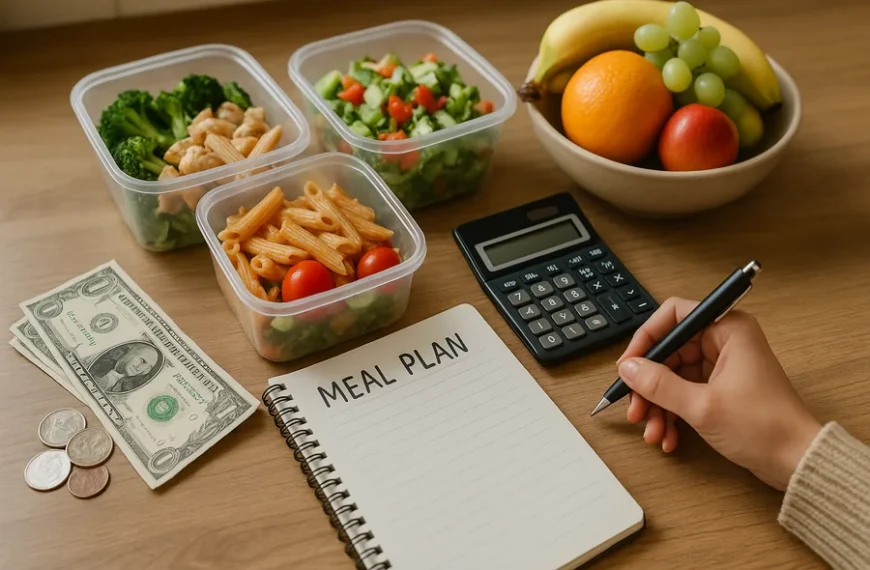
More households now rely on delivered meal planning to simplify hectic weeknights. Still, the recurring monthly charge gives plenty of shoppers reason to hesitate. Does the price make sense, or should the kitchen stay in charge? This article looks closely at what subscription meal services actually provide, unpacking the true value customers get for every dollar spent each month.
What Delivered Meal Planning Really Offers
These services stretch well past dropping a box on the porch. They take care of recipe choices, portion sizing, and ingredient sourcing. Buyers reclaim hours normally lost to planning weekly menus and pushing carts through crowded aisles.
That returned time means a great deal to anyone stretched thin by demanding jobs. Research shows the typical adult devotes around 37 minutes daily to preparing food. Cutting that back opens room for loved ones, downtime, or hobbies. Dependable meal plans delivery lifts the daily burden of deciding what goes on the table while sending balanced servings ready for the stove. A steady rhythm like this keeps families eating well without frantic effort or another late takeout order.
Convenience aside, careful portions trim food waste. Ingredients measured in advance leave fewer vegetables wilting and forgotten in the crisper drawer.
Breaking Down the Monthly Cost
Cost drives nearly every subscription choice. Most plans fall somewhere between $60 and $120 each week, shaped by serving size and how many meals arrive.
Comparing With Traditional Grocery Shopping
Store receipts look friendlier at first glance. Hidden costs, though, tend to slip past notice. Snack grabs, wilted produce, and regular dinners out quietly push spending higher. Once those extras enter the math, the difference shrinks a good deal.
Families who toss fresh food often may discover kits keep pace with price. Studies point to roughly a third of bought groceries ending up in the bin. Portioned deliveries curb that loss with exact amounts.
Factoring in Time Value
Setting money aside, time carries real worth too. A person making $30 an hour effectively surrenders that sum during drawn-out errands. Delivered plans turn those squandered hours into something productive or relaxing.
Health and Dietary Benefits
Eating quality tends to climb once servings follow a structure. Well-rounded plates cut dependence on processed bites and drive-through meals. Numerous providers cater to particular diets, covering vegetarian, low-carbohydrate, and gluten-free needs.
Steady nutritional standards back weight goals and even energy across the day. Many customers notice healthier routines after leaving behind hit-or-miss home cooking. Familiar ingredients also make counting calories easier for anyone watching what they eat.
Who Benefits Most From Subscriptions
These plans reward some users far more than others. Picturing the ideal subscriber clarifies whether the recurring price suits a given way of living.
Busy Professionals
People with heavy career loads prize predictability over pinching pennies. Free evenings, for this group, easily beat the extra charged month to month.
Small Households
Duos and solo diners regularly wrestle with grocery amounts built for bigger families. Subscription meals fit their situation neatly, slashing waste in the process.
Potential Drawbacks Worth Considering
A fair review has to name the shortcomings. Repeating fees pile up fast across twelve months. Yearly totals can climb into the thousands.
Flexibility shifts from one provider to the next as well. Certain services box customers into strict timing or narrow menu options. Packaging troubles eco-conscious buyers, although plenty of companies have moved to recyclable materials.
Flavor preferences count heavily too. Not every plate lands, and sameness occasionally sneaks into the weekly lineup.
Making the Right Choice
Ultimately, personal priorities and daily reality determine the final choice. Those who treasure time and reliability usually walk away pleased. Anyone who loves cooking or shops on a strict budget may lean toward familiar routines instead.
A sensible move starts with sampling a short plan first. Trial windows show whether the ease earns its recurring fee before any long commitment. Logging your own spending for a month gives a clear view of your current habits.
Conclusion
Delivered meal planning earns its keep for families who value time, nutrition, and calmer evenings above the lowest possible price. The monthly outlay may feel steep, yet the savings and recovered hours tend to balance it out. Weighing your particular situation is the crucial step before signing up. For anyone chasing convenience without giving up quality, these services offer real worth that often repays the ongoing cost.


