
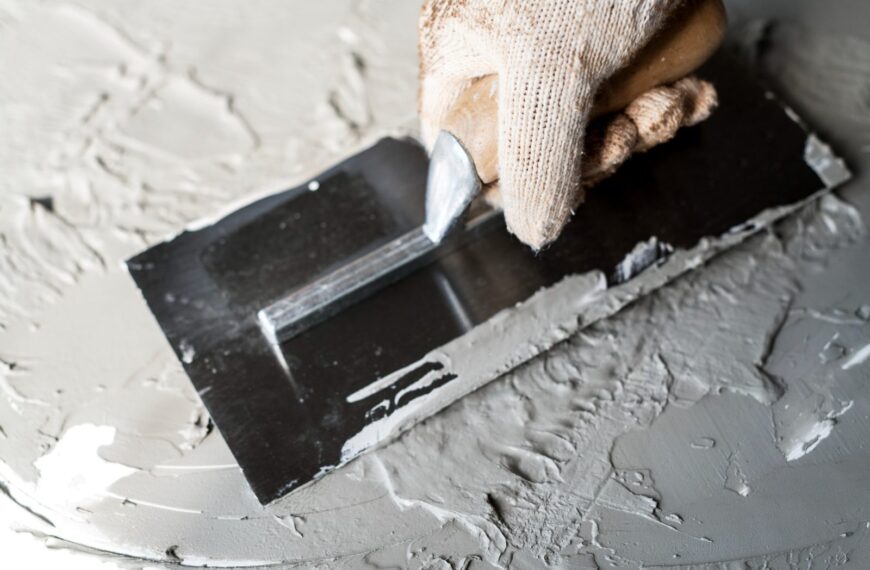
Concrete is strong, but it isn’t indestructible. Over time, the protective coating on a concrete surface deteriorates from weather, traffic, and everyday use. This leads to the concrete being exposed. Knowing when to reapply keeps surfaces in good condition and prevents repairs that could have been avoided.
There is no one-size-fits-all schedule for all surfaces. When to reapply depends on how well the surface was originally protected, what it’s exposed to, and how the surface is used.
Visible Surface Wear Is the Most Obvious Clue
When a protective coating is working, the surface looks uniform and in most cases has a slight sheen. You start to see changes as it wears down.
If you see faded, dull spots and areas where the coating appears thin, then the protection level is low. This is usually the first to show up in high-traffic areas such as entrances, walkways, and ramps. If a section looks quite different from the surrounding area, the coating has worn through there.
Water Is No Longer Beading on the Surface
A fresh waterproof coating for concrete causes water to bead up and roll off rather than soak in. To test this, just add a little water to the surface and watch what happens.
If the water quickly soaks in and turns the concrete dark, the coating is no longer working. The concrete is more likely to crack, stain, and freeze-thaw damage over time because the surface is now absorbing water instead of shedding it.
Cracks and Surface Deterioration Are Showing Up
Over time, concrete will develop small cracks on the surface. Cracks multiplying or getting wider usually means that water has been getting into the surface for a while.
This is a good sign that the waterproof coating needs to be reapplied to the concrete. Any cracks should be filled before the new coat is put on. If the cracks are open and not sealed, painting over them will only mask the problem.
How Long Coatings Typically Last
- Interior Floors — In low-traffic areas a coating will last 5 to 7 years. In busy commercial environments it may require attention every 2 to 3 years.
- Exterior Surfaces — Driveways, patios, and walkways exposed to weather generally need reapplication every 3 to 5 years.
- Industrial and High-Traffic Areas — These surfaces take a lot more abuse and may need to be re-coated every 1-2 years to maintain their protection.
These are general ranges. The actual condition of the surface matters more than the calendar.
What Happens When You Wait Too Long
When signs are visible, not reapplying not only reduces the protection, but it also complicates the eventual repair. The permeating water, the weakening of the surface, the damage that can no longer be repaired by a simple recoat. Cracks will need to be filled, damaged sections perhaps ground down, and the prep work becomes far more time-consuming than it would have been otherwise.
Wrapping Up
Concrete needs occasional attention, not constant attention. But by looking for worn patches, seeing how water behaves on the surface, and knowing the typical lifespan of your coating type, it is easy to reapply at the right time and keep the surface protected for years to come.


