
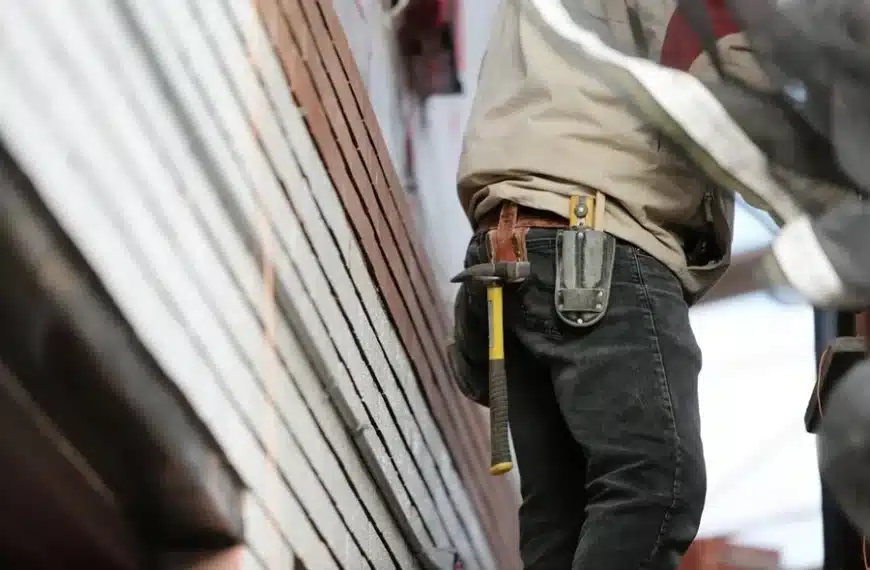
Restoration safety rules are the foundation for safe and successful construction and remediation work. These are clear guidelines and steps that protect workers, the public, and property from the extra dangers found during restoration.
Unlike routine building, this work often happens after fire, water, mold, or other damage, which brings many added risks that need special care. Following these rules is a serious promise to prevent injuries, deaths, and costly delays.
The stakes are high: the U.S. Bureau of Labor Statistics reported that nearly 1 in 5 workplace deaths in 2022 happened in construction. In New York City, strong safety practices matter even more, with rules like Local Law 11 stressing structural safety and façade upkeep.
What Are Restoration Safety Protocols in Construction?
Restoration safety protocols in construction use a step-by-step method to find, review, and reduce hazards in projects that repair or rebuild damaged structures. These rules include policies, procedures, and training that guide the entire job, from the first look at the site to the final cleanup.
The goal is a safe workplace that cuts the chance of accidents, injuries, and health problems for everyone involved.
Why Are Safety Protocols Critical for Restoration Teams?
For restoration crews, these rules are a must. Many jobs start in spaces that are unstable, contaminated, or otherwise unsafe. As expert James (Lee) Senter notes, the risk on a restoration site can be higher than on a regular build.
Crews often work under time pressure and make quick decisions, which can lead to missed steps and emergencies. Strong safety rules give a clear routine, turn best practices into habit, and help keep even experienced workers from becoming complacent.
This approach protects people, lowers liability, reduces costs, improves productivity, and supports a dedicated and steady team.
What Regulations Govern Construction Site Safety?
Safety on construction sites follows federal, state, and local rules. In the U.S., the Occupational Safety and Health Administration (OSHA) sets and enforces many of these standards, covering fall protection, machine use, and more. For example, OSHA requires guardrails, safety nets, or similar protection for work done over six feet.
Companies also build their own safety plans with job-specific procedures. Managers and crews must know all rules that apply and follow them to keep the site safe. Restoration employers must also follow the “General Duty Clause,” which requires a workplace free from known hazards that can cause death or serious harm.
Key Differences Between Restoration and General Construction Safety
Both types of work need strong safety measures, but restoration adds unique challenges. General construction usually happens on stable ground in a controlled setting. Restoration often starts after a fire, flood, mold, or structural damage.
Crews may face weak structures, bad air, hidden hazards like mold or asbestos, and biohazards. This raises the need for specialized PPE, clear hazard communication, respiratory protection plans, and exposure control plans.
If a building’s structure is in doubt, OSHA construction rules call for a site safety survey in addition to the normal hazard review, often with input from engineers to check risks like deep standing water or possible collapse.
Common Hazards Faced During Restoration Projects
Restoration sites often bring higher and less predictable risks than typical construction. Conditions can change as work moves forward, and dangers may be hard to see at first.
Knowing the common hazards helps crews prevent incidents and protect everyone on site.
Physical Risks: Falls, Trips, and Caught-In Hazards
Falls, slips, and trips remain a leading cause of injuries and deaths in construction, often from heights under 20 feet. Damaged buildings with uneven floors, debris, and weak surfaces raise these risks.
Caught-in hazards are also a serious threat, especially around heavy equipment used for demolition and debris removal.
- Fall risks: holes, weak floors, missing guardrails, wet or cluttered walkways
- Caught-in risks: rotating parts, pinch points, cave-ins, excavator swing radius
- Good practices: use fall protection, keep paths clear, set exclusion zones around machines
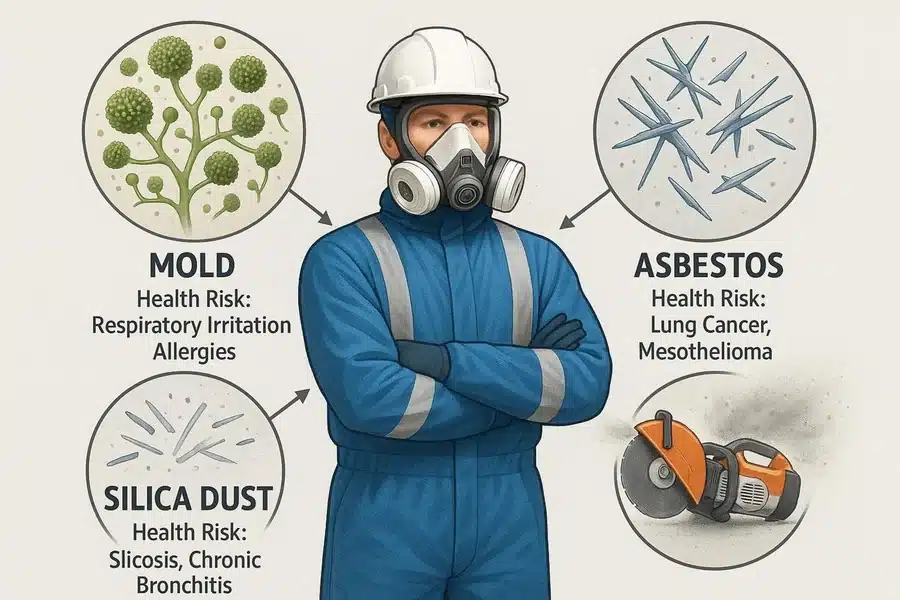
Chemical and Environmental Dangers: Mold, Asbestos, and Silica Dust
Restoration often exposes teams to hazards less common in new builds:
- Mold from water damage can cause serious breathing problems.
- Asbestos, if disturbed, releases fibers that can cause lung disease and cancer.
- Cutting or grinding concrete, brick, or stone releases silica dust, which can cause silicosis.
Clear hazard communication and strict respiratory protection are needed to reduce these risks.
Electrical, Fire, and Water Damage Hazards
Damaged sites often have overlapping hazards:
- Electrical: wet systems, downed lines, submerged outlets, and damaged wiring can shock workers.
- Fire: weakened framing, hidden embers, and toxic residues after a fire.
- Water: structural damage, mold growth, and deep water that can wash away footings.
Each area needs a focused review and clear cleanup steps.
Biohazard Exposure: Bloodborne Pathogens and Contaminants
Some jobs, such as trauma cleanup, crime scenes, or sewage backups, expose workers to bloodborne pathogens and other contaminants. One mistake, like a needle stick, can cause serious illness.
Crews need close adherence to PPE rules, safe cleanup methods, and fast follow-up after any exposure.
- Use proper gloves, suits, eye and face protection, and respirators.
- Follow strict decontamination and waste handling steps.
- Report and respond to exposures right away.
Steps Construction Teams Must Take for Restoration Safety
Keeping people safe on a restoration job takes planning and steady action from start to finish. Safety should guide every choice, from the first bid to the last load-out.
Pre-Site Assessment and Hazard Identification
Before unloading tools, do a careful pre-site review and hazard check. Employers must review the workplace to see if hazards are present or likely, and if PPE is needed.
Look beyond the obvious. Study past near misses, walk the site in detail, and check for issues unique to restoration, like weak structures, hidden contamination, or damaged utilities.
If the structure might be unsafe, bring in experts, such as engineers, for a site safety survey. Document the findings with a written certification that lists the workplace, the person who certified it, and the date(s) of the review. This careful first step supports all later safety planning.
Developing and Communicating a Site-Specific Safety Plan
After hazards are identified, build a detailed, site-specific safety plan that explains how each risk will be reduced. Include policies and procedures for consistent practices, plus parts from hazard communication, respiratory protection, and exposure control plans. Share the plan with everyone on site.
Use site inductions, daily toolbox talks, and regular training. Make sure every worker knows the plan, their role, and the risks they may face, as shown by prohibition, mandatory, and warning signs.
Establishing Emergency Response and Muster Points
Even with strong prevention, emergencies can happen. Set a clear emergency response plan and one or more muster points. The plan should define roles and actions for events such as:
- Natural disasters and fires
- Hazardous material spills
- Medical emergencies
Pick safe muster locations, mark them well, and practice how to account for all workers quickly.
Personal Protective Equipment Requirements for Restoration Jobs
PPE is the last shield against many hazards on restoration sites. Because conditions can be unpredictable, the right PPE and good upkeep are non-negotiable.
Selecting the Right PPE: Respirators, Gloves, and Eye Protection
Pick PPE based on the hazards found. There is no one-size-fits-all set. For mold, asbestos, or silica dust, the correct respirator prevents lung damage.
For chemicals, bloodborne pathogens, or sharp debris, use the right gloves. For flying particles or splashes, use safety glasses or goggles.
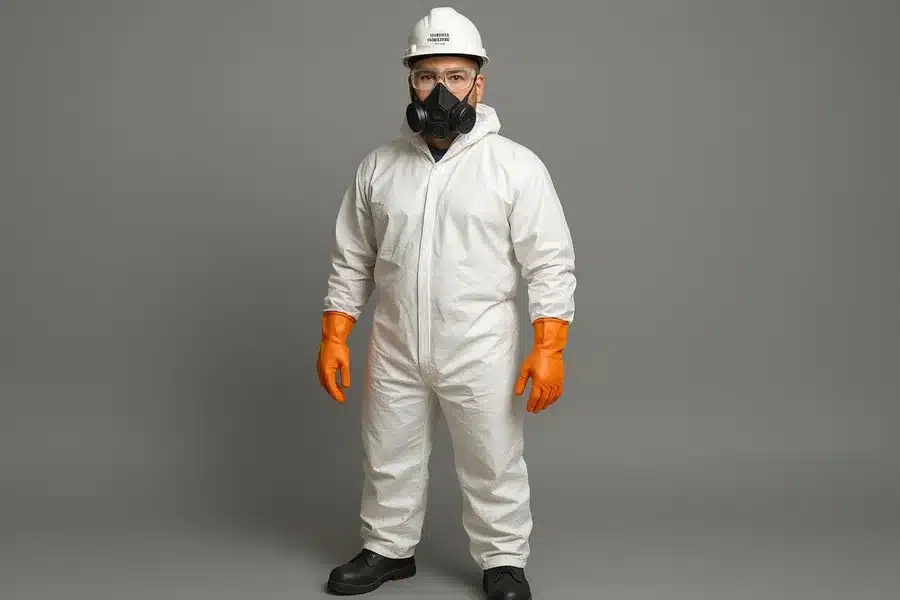
Add hard hats, hearing protection, steel-toe boots, and high-visibility vests as needed. Employers must choose PPE after a hazard review and make sure it meets OSHA standards.
| Hazard | Example PPE |
| Mold, asbestos, silica dust | Fit-tested respirator with proper filters |
| Chemicals, bloodborne pathogens | Chemical-resistant or cut-resistant gloves; disposable coveralls |
| Flying particles, liquid splashes | Safety glasses or goggles; face shield |
| Falling objects | Hard hat |
| Loud noise | Earplugs or earmuffs |
| Punctures, crush hazards | Steel-toe boots with slip-resistant soles |
| Low visibility | High-visibility vest |
Regular Inspection and Maintenance of Safety Gear
Having PPE is not enough. Workers need to check it often for wear, damage, or aging. For example, a plastic hard hat can weaken in the sun over time. Replace damaged items right away, such as torn gloves or a respirator with a bad seal.
Supervisors have a key role in keeping these checks on schedule and making replacement gear available. Skipping inspections gives a false sense of safety and puts people at risk.
Safe Use and Maintenance of Tools, Equipment, and Machinery
Tools and machines make the work possible, but they also carry risk. Good handling, steady maintenance, and regular training turn these tools into safe, reliable assets.
Proper Training for Specialized Restoration Equipment
Restoration often uses specialized gear like air movers, air scrubbers, demolition tools, and heavy lifts. Operating them without training is asking for trouble. OSHA requires that only trained and certified people use certain equipment. Training should cover how to run the machine, spot problems, follow safe steps, and use emergency shut-downs. Forklift operators, for example, need focused safety training.
After the first certification, regular refreshers help keep skills sharp, especially with new gear or tasks.
Routine Inspections and Safe Operating Procedures
Training is only part of the picture. Check tools and machines before use to spot defects or damage. A faulty tool raises the chance of injury and lowers work quality. Teach workers to report wear, defects, or near misses right away. Never bypass guards or automatic shut-offs. If equipment is unsafe, lock it out so it cannot be used until repaired.
Follow lockout/tagout steps to shut down gear and prevent accidental start-up. These steady checks and habits help prevent injuries and keep the site productive.
Worksite Organization and Housekeeping for Safer Restoration
A clean, organized site is a basic part of safety. Clutter raises the chance of slips, trips, and other injuries. Good housekeeping is ongoing and cuts hazards while also helping the work move faster.
Managing Debris, Waste, and Hazardous Materials
Restoration creates lots of debris, and some of it is hazardous. Manage it quickly and correctly:
- Remove tools and supplies not in use; store them in trucks or site trailers.
- Control dust with a solid dust plan and proper ventilation.
- Collect sawdust, nails, and demolition waste often to reduce trips and punctures.
- Dispose of chemicals and contaminated items in line with regulations.
- Set daily cleaning schedules with clear duties for each crew member.
Keeping Work Areas Clean and Equipment Stored Properly
Store tools and equipment in their assigned places. Do not leave them where they can cause trips or get damaged. Unplug lights and power tools when not in use. Organized storage improves safety and speeds up work. Each worker should look after their tools and remind others to keep areas tidy. Shared habits keep risks low and the job moving.
Training and Safety Culture for Restoration Crews
Safety on a restoration site is not just about rules. It also depends on training and the team’s overall mindset. A trained crew inside a strong safety culture is the best defense against job hazards.
Role of Ongoing and Specialized Safety Training
Safety training is continuous, especially in a fast-changing field like restoration. Hold regular meetings and training because rules and best practices can change, and each site brings new risks.
Add specialized training for PPE use (such as respirators), handling mold, asbestos, and biohazards, using specialized equipment, and following emergency steps.
Train all workers on fall protection and when to use each type. Ongoing learning keeps people aware and able to reduce risks.
Building a Culture of Safety Reporting and Accountability
Safety works best when people feel safe speaking up. Encourage reporting of unsafe conditions and near misses at any time without fear. Make it clear how to report: to a supervisor, a safety officer, a drop box, or a digital system.
Look into every report and fix issues quickly. Supervisors should lead by example, listen, and act fast. When everyone treats safety as a top priority and takes ownership, teams can spot and solve problems before they grow.
Protocols for Reporting, Addressing, and Preventing Unsafe Conditions
Even with careful planning and training, unsafe conditions can appear. A strong program depends on quick reporting, fast action, and learning from each event so it does not happen again.
Encouraging Immediate Hazard Reporting on Site
Workers often notice risks first, like a broken barrier, a leak, or a tool that is not working right. Make it easy to report these things right away, whether in person, by app, or anonymously. Keep the process simple and without penalty. Early reports help stop small issues from becoming serious incidents.
The Supervisor’s Responsibility in Enforcing Safety Rules
Supervisors are the first line of leadership for safety. They should run regular audits and inspections, confirm PPE use, and watch how equipment is used. When a hazard is reported, they must check it, treat it seriously, and fix it quickly or escalate it if needed.
They should also model safe behavior and make safety part of daily work. This steady leadership improves the well-being of everyone on site.
Fatigue, Hydration, and Worker Health During Restoration
Restoration is physically and mentally demanding. Heat, heavy work, and stress can affect judgment and raise the chance of mistakes. Taking care of hydration and rest is a big part of site safety.
Preventing Heat Stress, Dehydration, and Overexertion
Fire and flood jobs often bring high heat and hard labor. Prevent heat stress, dehydration, and overexertion by drinking water often, wearing light clothing, using sunscreen, and taking breaks in the shade. Plan work for cooler hours when possible.
Train workers to spot warning signs:
- Headache, dizziness, or confusion
- Little or no sweating
- Shallow breathing
- Hot, red skin
Pull anyone with these symptoms from the site at once to cool down and seek medical help if needed.
Recognizing and Managing Signs of Worker Fatigue
Long hours and hard conditions can cause fatigue, which slows reactions and clouds judgment. Encourage workers to speak up if they feel tired. Supervisors should watch for lower output, more mistakes, irritability, or poor awareness.
Use several steps to manage fatigue: give enough rest between shifts, schedule breaks, and treat fatigue reports as a smart safety action, not a weakness. Reduce distractions like cell phone use during tasks that need full focus.
Frequently Asked Questions
People often have common questions about restoration safety. Clear answers help set good habits and keep focus on every job.
What Are the Most Overlooked Safety Rules in Restoration?
Teams often skip a full pre-job hazard review for hidden risks like weak structures, mold, or asbestos. Workers may also skip or misuse PPE, especially respirators. Complacency can lead to missed equipment checks or poor housekeeping, which can cause trips or other injuries. Reporting near misses is also ignored too often, which prevents finding and fixing wider problems.
How Can Technology Improve Safety Compliance?
Technology offers new ways to raise safety compliance. Wearables can detect falls, track worker location, or alert people to hazards nearby. Drones and AI systems can inspect sites and spot risks from a safe distance.
Safety software such as the SafetyCulture app helps by automating checks, simplifying incident reports, storing safety data, and tracking key metrics. Better data helps teams act faster on risks, improve their safety program, and cut audit time.
What Are the Consequences of Neglecting Equipment Inspections?
First, the chance of injuries and deaths goes up. A faulty tool or a machine with a failed safety feature can cut, crush, or kill. Second, expect delays and costs. Breakdowns stop work and lead to repairs or replacements.
Also, accidents tied to bad equipment checks can lead to OSHA fines, higher insurance costs, and legal action. Finally, trust and morale drop. Workers who feel unsafe may disengage or refuse to use certain tools, which hurts productivity and safety culture.
Creating a Safer Restoration Worksite: Final Recommendations
Building a safe restoration worksite takes ongoing effort and a strong focus on people. Keep investing in training, including options like virtual reality to practice rare or high-risk scenarios in a controlled setting.
Try new tools, such as better air monitoring for hidden contaminants, to improve protection. Support psychological safety so workers feel free to report hazards, fatigue, and stress.
- Make safety planning part of every phase of the project.
- Use site-specific plans and refresh them as conditions change.
- Keep reporting simple and act fast on every concern.
- Maintain PPE and equipment with routine checks and quick replacement.
- Protect worker health with water, shade, breaks, and reasonable shifts.
By treating safety as core to the work, teams protect their people and raise standards for resilience and responsibility across the industry.


