
Modern hookah culture around the world is a lively mix of old traditions and new ideas. It has taken a practice that is hundreds of years old and turned it into a popular way for people to relax and spend time together in many countries. Hookah is no longer limited to where it started. Instead, it has adapted to different places, habits, and social scenes. Today, you can see both sides at once: the calm routine of setting up a pipe and the busy energy of modern hangouts.
If you are experienced or completely new, learning about this culture often starts with knowing what good products look like and what options exist-some people even begin by browsing a specialist store like Shisha Boutique.
This experience is about more than breathing in sweet-smelling smoke. It can help people understand other cultures, build friendships, and turn a normal meet-up into something special. From crowded markets in the Middle East to stylish lounges in Western cities, hookah has become part of daily life, celebrations, and modern social time. It keeps changing to match the local culture and the way people connect in each place.
How Did Hookah Traditions Originate and Spread Globally?
Origins and Early History
The story of hookah starts in 16th century India, where people used simple materials like coconut shells to make early smoking tools. During that time, tobacco smoking became popular among wealthy and powerful people. The idea was to pass smoke through water in a glass base (often called a “Shisha”) to cool it down. Over time, this became the hookah we recognize today. Early versions had basic wooden stems and soon became a sign of high social rank.
In the 17th century, hookah (also called “Nargileh”) spread into Persia. There, it changed in both looks and use. Persian makers, known for skilled woodworking, reshaped the style of the pipe and helped push hookah forward in a major way. In Persia, many people used a strong dark tobacco called Ajami. During this period, hookah also became more common for everyday people, and some households even had workers whose job was to prepare and serve it.
Factors Influencing International Spread
In the 18th century, shisha became part of Turkish culture and grew with more new ideas. Turkish metalworkers began making detailed brass parts and decorating pipes with royal and religious symbols. These newer designs replaced many older ones and helped set the standard for how modern shishas were built. In Turkish upper society, shisha was a clear sign of status and was often used after formal meals and during important meetings. Offering shisha to a guest showed respect and trust, while refusing it could be seen as a serious insult.
During the 19th century, hookah spread widely across the Middle East. In Egypt, a major change happened: tobacco was turned into Mu’Assel by mixing it with honey or molasses. The word means “with honey,” and it later became linked with flavored tobacco too. Popular additions included dried lemon, grape, watermelon, and mint. A purge port was added into the center of the shisha to help cool the bowl and bring out these newer flavors, which changed the whole experience. Shisha cafes grew quickly to meet demand, creating social spaces where people from different classes, backgrounds, and genders could meet. By the late 1900s, immigrants brought hookah customs to many parts of the globe. This helped lead to a large hookah market, including growth in the United States in the early 2000s, where companies focused on better quality, newer tech, and a wider range of flavors.
What Defines Modern Hookah Culture Around the World?
Key Features That Distinguish Contemporary Hookah Practices
Modern hookah culture mixes respect for tradition with excitement about new styles. It often focuses on new products and convenience, turning the water pipe into something cleaner, easier to carry, and better looking. Instead of the heavy brass and copper builds of the past, many current hookahs use materials like stainless steel, aluminum, acrylic, and silicone hoses. These materials are lighter, easier to wash, and easier to move.
Modern hookahs also stand out because of new features. Some designs include LED lights, parts you can swap out, and better airflow systems for smoother, more controlled pulls. The idea is often to improve performance and make the hookah look good at the same time. Many people now see the hookah as both a tool and a stylish centerpiece for a table, especially in lounges and parties.
What Drives Global Interest in Hookah Today?
Hookah is popular worldwide because it helps people connect. It is a shared routine that can carry stories and create lasting memories. In a busy modern lifestyle, hookah lounges can feel like a break, with low lighting, soft seats, and background music. These places often make it easier to talk and relax for a long time.
Hookah also brings together people who might not normally spend time together. In many Western countries, it has become a trendy group activity, mixing nightlife with a shared experience. Global travel, social media, and the rise of modern lounges have helped shisha become a worldwide trend, making it easy for new people to try it and join the community.
Regional Influences on Modern Hookah Culture
Middle East and North Africa: Classic Foundations
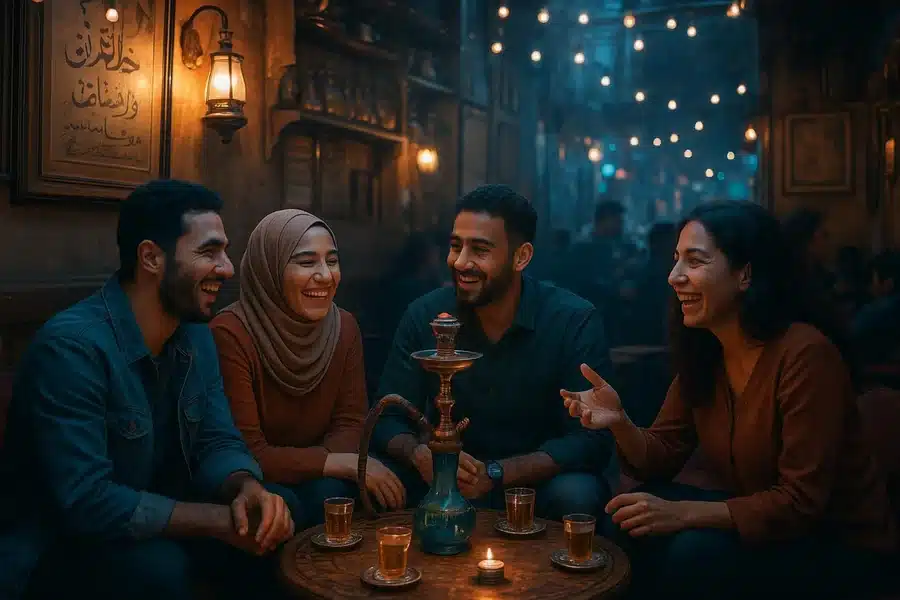
The Middle East is where hookah became a deep tradition, closely linked with social life and hospitality. Offering a carefully prepared pipe to guests-often served with tea or coffee-is a common way to show respect. In busy cities like Cairo, cafes are full of people enjoying hookah with mint tea. Classic flavors like apple, grape, and mint are still very common, keeping the familiar feel of tradition.
In many parts of the region, the hookah itself is also a piece of art. Egypt is known for detailed glass bases, while Morocco often uses hand-painted ceramics and rich decoration that show local craft skills. In these gatherings, families and friends may share one pipe, talk, laugh, and tell stories. The focus is usually on time together, not just the smoke.
Turkey: Coffeehouses and New Rituals
In Turkey, “nargile” has a strong cultural place, and nargile cafes are important social spots. These cafes grew alongside Turkish coffeehouse traditions, where people have long mixed conversation with smoking. Turkish hookah sessions are often slow and relaxed, with a focus on calm and reflection. People may sit for hours, using the time as a break from daily stress.
Turkish tobacco mixes are often softer and more balanced, with flavors like rose and lemon sometimes preferred over stronger options. Good airflow matters a lot for smooth smoke, and many people take pride in how the pipe is prepared. This shows respect for the routine and for the small details that shape the experience.
India and Pakistan: Local Expressions and Unique Practices
In India and Pakistan, hookah is still part of many rural traditions and family customs. It is commonly called “hookah,” and it may be used in weddings and festivals as a sign of unity and respect. In some areas, older materials are still used, such as coconut shells and clay bowls, which keeps a clear link to the earliest forms of hookah.
These countries also have many local differences in pipe design and tobacco preparation. Some blends lean into natural sweetness and spices and need steady heat control to taste right. Hookah is often shared during home gatherings, and sharing the pipe can show trust and strengthen community ties. In the past, it was also a status symbol, similar to its earliest days.
Western Countries: Fusion and Adaptation
In America and Europe, hookah has been reworked into a modern social trend. Many lounges use modern decor and offer long flavor menus, often aimed at younger crowds. In the United States, lounges may focus on strong fruit flavors and busy social energy, making them popular group meeting spots.
In Europe, the style often leans into clean design and modern features, like improved heat systems that make sessions easier to manage. These venues often blend hookah with nightlife and attract a mix of locals and tourists. While sharing is still part of the experience, the focus may shift more to entertainment and a fashionable night out, showing how flexible hookah culture can be.
What Shapes Contemporary Hookah Lounges and Social Settings?
International Lounge Trends and Events
Modern hookah lounges are often social venues with a strong focus on style. Many have high-end interiors, soft seating, and planned music or entertainment. They may offer “premium” menus and combine nightlife with cultural elements, which appeals to young adults and travelers. In many cities, shisha lounges now play a similar role to bars, with spaces built for relaxing and talking.
Hookah culture has also grown through events. What used to be a small part of bigger tobacco events (like TPE in Las Vegas) has turned into full expos, including Hookah Expo Worldwide, held each year since 2017. In places like Russia, the scene is especially developed, with large expos, festivals, and competitions. Some lounges there look and feel like expensive bars or clubs. This shows how big the industry can become and how other regions may grow in the future.
Social Media Influence on Hookah Gatherings
Social media sites like Instagram and TikTok have strongly shaped modern hookah culture. Stylish lounges, thick smoke clouds, and creative setups are very visual and easy to share. Because of that, many people now treat hookah as part of a lifestyle, not just a hobby. It is also easier for fans to meet others, post their sessions, and trade tips.
Social media also makes it easier for beginners to start. People can learn about flavors, setup basics, and lounge manners before ever visiting a lounge. This online side helps keep the community connected and also helps it grow across countries.
The Role of Hookah in Group Interaction
Hookah still works as a strong tool for group connection. It often becomes the center of the table, whether at home with close friends or in a busy lounge. It can bring together people from different backgrounds, classes, and even different political views. Passing the hose and sharing the session creates a steady shared rhythm that can lead to better conversation.
In many cities, lounges build a relaxed feel with low lights, comfortable seats, and soft music. This encourages people to slow down, talk more, and enjoy time together. In most cases, the key part is not the smoking itself, but the shared laughter and stories that happen around the pipe.
Tradition Meets Innovation: How Is Hookah Evolving?
Advances in Hookah Design and Materials
Changes in hookah design show how old and new ideas can exist together. Traditional hookahs often use handmade brass, copper, and glass, along with classic clay bowls. They are usually tall, heavy, and highly decorated, built for steady airflow and smooth smoke. Modern hookahs often focus on different goals, using stainless steel, aluminum, acrylic, and silicone hoses. This makes them lighter, easier to clean, and easier to carry.
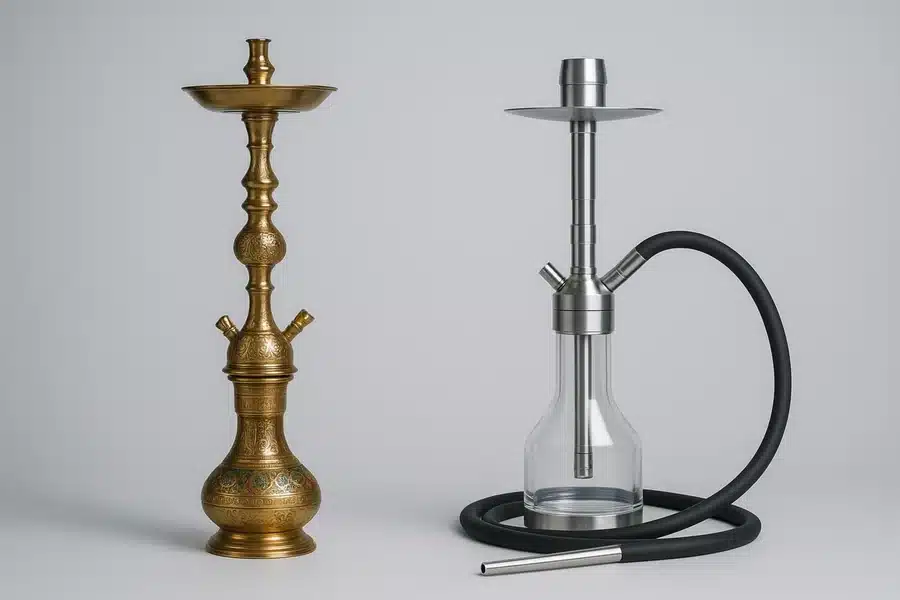
These newer materials also make it easier to change the design. Many current hookahs use parts you can swap, updated airflow systems, and sometimes even LED lights. Some brands now sell hybrid models that mix a traditional look with newer features, which fits people who want both history and ease of use.
Diversity of Flavors and Tobacco Blends
One of the biggest changes in hookah culture is the huge range of flavors and tobacco options. Older sessions often used simpler flavors based on local taste, such as Mint, Apple, Double Apple, Grape, and Rose. Many of these were made with darker tobacco, which can have stronger nicotine and a deeper taste that long-time smokers often like.
Today, shisha brands offer hundreds of flavors, including Watermelon Mint, Blueberry Ice, Bubble Gum, and Mango Passionfruit. Mixing flavors has become common, and many people like experimenting with new combinations like mango mint or blueberry pie. This wide menu of choices fits almost any taste and keeps hookah culture interesting for people who like to try something new.
Electric Hookahs and Technology Integration
One major tech change has been the rise of electric hookah systems. These are an alternative to natural charcoal and change the way heat is produced for the tobacco. Electric systems can be quicker to set up and cleaner for indoor use because they remove charcoal and the carbon monoxide that comes from burning coals.
Even so, many people still debate electric vs. charcoal. Electric systems can feel easier, but some long-time users say the flavor is not the same and the smoke may be thinner than with charcoal. Natural charcoal takes more attention, but many people prefer it for a more traditional taste and stronger smoke. Technology has also improved heat management devices (HMDs). When used with standard ceramic bowls, HMDs give better heat control and make the process simpler, which helps beginners a lot.
Personalizing the Experience: Hookah Accessories and Choices
Popular Accessories and Their Uses
Hookah culture includes many accessories that improve how a session feels and how the setup works. Common items include charcoal burners, made to heat coals evenly, which helps avoid rough smoke. Many users also buy different bowls-clay, glass, or silicone-so they can adjust the session based on heat control and flavor strength.
Other helpful add-ons include wind covers, which are useful outdoors to keep heat steady and stop ash from blowing around. Newer accessories include silicone hoses that are easier to clean, heat control tools for steady temperature, and modular bases for easier setup changes. Many fans also prefer natural charcoal because it burns cleaner and does not cover up the tobacco flavor as much as quick-light coals can.
How Flavors, Coals, and Setups Influence Enjoyment
How much someone enjoys a hookah session depends on many small choices. It starts with choosing good tobacco, since moisture and flavor both shape the session. Bowl packing also matters: a lighter pack often gives better airflow. Coal placement matters too, because even heat helps avoid harsh smoke and keeps the session steady. Clean water in the base is important since it cools the smoke. Some people add mint leaves or fruit slices to the water for extra smell and a light taste.
Personal preference plays a big part as well. Many people compare HMDs and foil, or choose between blonde leaf and dark leaf tobacco. Even coal shape matters-some people like “flats” because they are easier to manage. These small choices are what make sessions feel personal and keep the hobby fun and different each time.
What Is Considered Proper Hookah Etiquette Today?
Traditional Rituals in Modern Contexts
Hookah has many social rules that can change by country, but they usually focus on respect and group comfort. In some Arab countries, it is respectful to offer the hose to older people first. In Turkey, nargile is often enjoyed slowly as a calm break. In India, sharing hookah can show trust and strengthen ties within a group.
Even today, some common rules stay the same. Many people pass the hose clockwise, and it is rude to blow smoke at someone. Small, steady puffs are often preferred over deep inhales, since this makes the session smoother and longer. Many people also respect the setup process as a skilled routine that takes focus and care.
Regional Differences in Social Norms
While hospitality and sharing are common themes, local norms change the way hookah is used. In the Middle East, families and friends often meet in the evening and share a single hookah while talking for hours. The mood is often calm and close, matching the strong focus on family and community.
In many Western countries, hookah is often part of a louder and more active social scene, usually in modern lounges with music and entertainment. The social side still matters, but the vibe may be closer to nightlife. Even with these differences, hookah often keeps the same main purpose: helping people connect, relax, and spend time together.
Health Considerations and Common Myths
Safety Concerns and Medical Research
Many people misunderstand hookah health risks. A common belief is that hookah is safer than cigarettes because the smoke goes through water. This is not true. Research shows hookah smoke can still contain harmful chemicals, and risk can rise based on how long a session lasts and what tobacco is used. Longer sessions can increase exposure to toxins like carbon monoxide, heavy metals, and cancer-causing chemicals.
Health groups in many countries point out these risks and support better public awareness. People who choose to use hookah should understand the risks. Some ways people try to lower harm include shorter sessions, using natural charcoal instead of quick-light coals, and learning what is in the tobacco. Knowing the facts and using moderation can help reduce risk.
Misconceptions About Hookah Versus Cigarettes and Vaping
One of the most common myths is that water “cleans” hookah smoke and makes it safe compared to cigarettes or vaping. Water does cool the smoke, but it does not remove most toxins. Since hookah sessions often last longer and involve more total smoke, users may take in more harmful substances than they would from one cigarette.
Electric hookahs remove charcoal-related carbon monoxide, but users may still breathe in tobacco smoke or other heated substances, which can also be risky. Hookah and vaping should not be seen as “safe” replacements for cigarettes. All nicotine and tobacco products have health risks. “Less harmful” is not the same as “harmless,” so choices should be based on reliable scientific information, not popular myths.
Regulations and Awareness Campaigns
Because of health concerns, many countries have created rules for hookah smoking, especially in public places. These rules are meant to protect public health by limiting indoor smoke, stopping underage use, and improving safety and hygiene in lounges. Common rules include age limits, bans in certain indoor locations, and ventilation requirements.
Public education campaigns are also important. Many focus on younger people, since they are often drawn to hookah lounges. These campaigns aim to share clear, research-based facts, correct common myths, and help people make informed choices. Many communities and lawmakers still work to balance cultural traditions with public health needs.
Challenges and Opportunities for Preserving Authenticity
Tensions Between Tradition and Commercialization
As hookah moved from local tradition to global trend, it created a tension between keeping it authentic and selling it widely. There is a real risk that deep cultural meaning can be pushed aside by mass production and trend-based marketing. This can show up in flavor choices, where classic tastes like rose and cardamom may be replaced by sweeter, more artificial mixes made for wider appeal. It can also show up in the pipes themselves, where handmade work with long craft history may be replaced by factory-made designs that lose cultural details.
Makers and fans often try to balance both sides: using new ideas and making hookah easier to access, while still respecting craft quality, cultural identity, and the social spirit that shaped hookah in the first place. This often depends on education and supporting products and practices that respect hookah’s roots.
Maintaining Cultural Identity Across Borders
Keeping hookah’s cultural identity across borders is both difficult and full of possibility. As immigrants brought hookah into new countries, local scenes added their own styles, mixing old routines with new looks and habits. This helps hookah grow worldwide, but it can also blur where it came from if people forget the history.
Ways to keep authenticity include supporting local makers and small businesses that still build hookahs with traditional methods and materials. It also helps to teach people about hookah history, regional differences, and common rituals. Keeping classic flavors available-while still enjoying new ones-also helps keep cultural links strong. The goal is a global hookah culture that respects its many roots, so people can enjoy different influences while still honoring where hookah came from.
Frequently Asked Questions About Modern Hookah Culture
What Are the Main Differences Between Traditional and Modern Hookahs?
The main differences between traditional and modern hookahs come down to craft style vs. new features, and how they are built. Traditional hookahs often focus on cultural tradition and handmade quality. They are usually made from brass, copper, glass, and clay bowls, and they are often tall, heavy, and decorative. They usually use natural charcoal and are linked with simpler, stronger flavors and long, relaxed sessions. Users often need skill to manage heat and airflow.
Modern hookahs often focus on ease of use, new designs, and current style. They often use stainless steel, aluminum, acrylic, and silicone, which makes them lighter, easier to clean, and easier to carry. Features like modular parts, improved airflow, and heat management devices make hookah simpler for beginners. Modern brands also sell hundreds of flavors, often fruity or mixed, and hookah is often enjoyed in modern lounges where it is part of nightlife and social entertainment.
Is Hookah Less Harmful Than Cigarettes or Vaping?
No, hookah is not automatically less harmful than cigarettes or vaping. Many people think the water filters out harmful parts of the smoke, but studies show hookah smoke still includes toxins like carbon monoxide, heavy metals, and cancer-causing chemicals. Because sessions often last longer and people breathe in more smoke, exposure can be high-sometimes higher than smoking a single cigarette.
Electric hookahs remove some risks linked to charcoal, but users may still inhale tobacco smoke or heated substances that have their own risks. Health groups do not support the idea that hookah is “safe.” Responsible use means knowing the risks, keeping sessions shorter, and using natural charcoal instead of quick-light coals if charcoal is used.
Why Is Hookah Popular Among Younger Generations?
Hookah is popular with younger people mainly because it is social, it fits into nightlife, and many lounges feel stylish and comfortable. Many modern lounges use high-end decor, soft seating, and background music, creating a space that mixes relaxation with current social trends. The wide range of flavors-often fruity or dessert-like-also attracts people who like trying new tastes.
Social media also plays a big role. Hookah setups and lounge photos are easy to share, so hookah can become part of a broader “going out” lifestyle. Modern equipment is also easier to use, thanks to heat management devices and simpler setups, which makes it less scary for beginners. All of this makes hookah a popular choice for group hangouts.
Can You Experience Authentic Hookah Culture Outside Its Countries of Origin?
Yes, you can experience authentic hookah culture outside its original countries, but the experience depends on where you go and what you look for. As people moved across the world, they brought hookah traditions with them. Now many cities in Europe, North America, and Asia have lounges and communities that keep key parts of tradition, even if local style adds something new.
If you want a more traditional experience, look for places that focus on classic preparation methods, use natural coconut coals, and offer traditional flavor options. Talking with local hookah fans (often through online groups) can also help you find good lounges. Supporting businesses that respect history and explain traditions helps keep hookah culture meaningful. Even if the setting looks different from a Middle Eastern cafe or a Turkish nargile house, you can still find the main spirit: hospitality, shared talk, and time together around the pipe.


