
Leather has spent decades moving between different identities. It has been protective clothing for pilots and motorcyclists, a symbol of rebellion, a marker of luxury and an everyday wardrobe material. In 2026, leather fashion is changing again—but the change is not defined by one dominant jacket or a single must-wear color.
The clearest development is greater variety. Black biker jackets remain relevant, but they now share space with brown suede overshirts, burgundy bombers, long leather coats, cropped funnel-neck jackets and deliberately weathered flight styles. Designers are also paying closer attention to texture, proportion and construction. Instead of relying on obvious hardware or large branding, many garments communicate through their leather grain, panel shape and the way they sit on the body.
This makes the current shift more interesting than a short-lived seasonal trend. Leather is not being reinvented from the beginning; familiar styles are being adjusted to suit changing attitudes toward comfort, individuality and longevity.
Black Leather Is No Longer the Only Starting Point
Black remains one of leather fashion’s most enduring colors. It emphasizes the sharp lines of biker jackets, works naturally with metallic hardware and carries strong associations with music, motorcycle culture and urban style. Nothing happening in 2026 suggests that black leather is disappearing.
What has changed is the range of colors being treated as equally versatile.
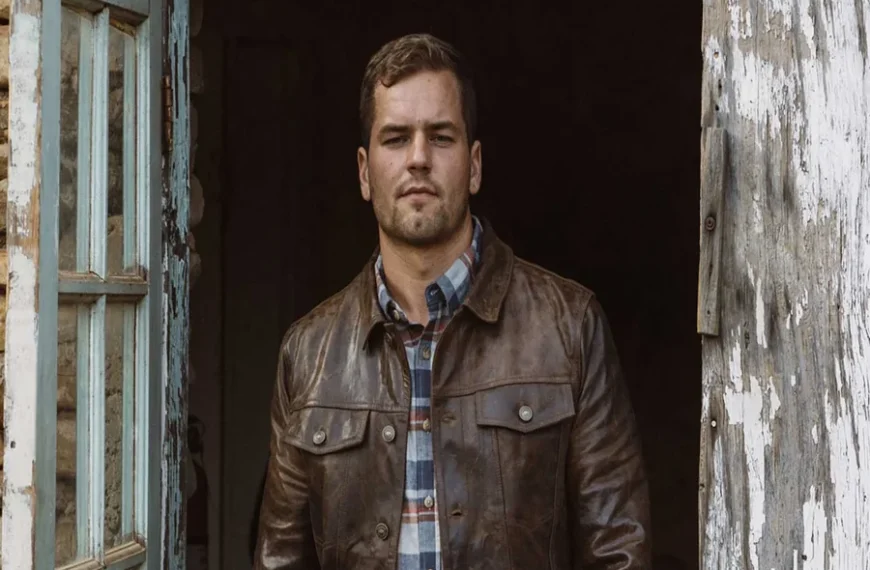
Chocolate brown, tobacco, cognac and tan have moved into a more central position. These shades reveal variations in the surface more clearly than solid black. Creases, grain patterns, waxed areas and changes in tone become part of the garment’s character rather than imperfections that must be concealed.
Burgundy and oxblood offer a different interpretation. They retain the depth and formality of a dark jacket while introducing warmer red undertones. Olive, washed gray and muted cream are also appearing more frequently, particularly in minimal jackets where color replaces decorative detail.
This wider palette makes leather easier to combine with wool trousers, denim, knitwear and softer tailoring. It also helps move the material beyond its traditional association with all-black outfits.
Why Brown Has Become So Important
Brown leather connects several of the strongest ideas influencing fashion in 2026: interest in vintage clothing, warmer neutral palettes and materials that become more personal with age.
A black jacket can look precise and graphic. Brown leather tends to emphasize depth. Waxed seams may appear darker, raised areas may become lighter and frequently handled sections can develop a natural patina. This gradual change gives the garment a sense of history, even when its overall design is simple.
Brown is also well suited to styles derived from military and aviation clothing. Flight jackets, B-3 bombers and shearling coats originally prioritized insulation and durability rather than trend cycles. Their practical origins remain visible in buckle collars, broad panels, leather straps and substantial natural insulation.
A brown shearling leather jacket represents this renewed interest particularly well. Brown emphasizes the natural character of the outer leather, while genuine shearling retains the wool or fur attached to the sheepskin rather than using a separate synthetic-fleece lining. The result combines visible texture, historical references and functional warmth in one garment.
The current popularity of brown should not be understood as black leather’s replacement. It is better viewed as an expansion of the leather wardrobe into warmer and more visibly textured territory.
Silhouettes Are Moving in Opposite Directions
Fashion cycles often appear to move toward one defining shape. Leather fashion in 2026 is less predictable. Relaxed and precisely fitted silhouettes are developing at the same time.
Relaxed bombers and slouchy jackets
Oversized leather bombers continue to influence casual fashion. Their appeal comes from dropped shoulders, fuller sleeves and a body that can accommodate knitwear or a sweatshirt. Rather than appearing rigid, the leather is often soft enough to drape and collapse naturally around the wearer.
This relaxed construction changes the jacket’s attitude. It feels less like formal outerwear and more like an everyday layer. Minimal hardware, concealed closures and wide ribbed hems can make the silhouette appear cleaner despite its volume.
The most successful oversized jackets are intentionally proportioned. They are not simply standard jackets produced several sizes larger. Shoulder placement, sleeve volume, pocket position and body length must work together so that the shape looks deliberate.
Short and structured designs
At the other end of the spectrum, cropped leather jackets are becoming sharper. Funnel necks, rounded collars and clean front closures are replacing some of the large lapels and exposed hardware associated with traditional motorcycle jackets.
Shorter lengths place greater attention on the waist and the relationship between the jacket and trousers or skirts. Because less material is involved, panel placement and hem construction become more noticeable. A poorly balanced cropped jacket can look abruptly shortened, while a well-developed version feels complete and proportionate.
Long leather coats and trenches
Leather is also moving into longer silhouettes. Trench-inspired coats, belted jackets and leather blazers soften the boundary between outerwear and tailoring. These garments use the visual authority of leather without depending on biker styling.
Longer cuts show how far leather has travelled from its subcultural associations. A leather trench worn over tailoring communicates something different from a studded motorcycle jacket, even though both are made from the same broad material category.
The Return of the Funnel Neck
Collars have become an important part of the changing leather silhouette. The funnel neck is especially noticeable because it alters the jacket without requiring excessive decoration.
A high, clean collar creates a defined frame around the face and gives a bomber or cropped jacket a more architectural appearance. When closed, it provides additional coverage around the neck. When open, it folds into a softer shape without producing the wide lapels of a classic double-rider jacket.
Other collar treatments are changing as well. Contrasting shearling collars bring aviation references into everyday outerwear, while detachable collars allow one jacket to move between rugged and minimal styling. Rounded collars and collarless necklines are appearing in softer women’s leather jackets, where the focus is placed on seam shape and proportion.
These details demonstrate a broader movement toward design that is noticeable without being heavily decorated.
Texture Is Becoming as Important as Color
For many years, smooth and highly uniform leather was treated as the clearest sign of refinement. That preference has not disappeared, but it now exists alongside a strong interest in visible texture.
Distressed and weathered surfaces
Distressed leather is treated to create tonal variation, softened edges or a worn appearance. When done carefully, the finish highlights panel lines and gives a new jacket some of the visual depth associated with an older garment.
Distressing should not be confused with damage. Intentional variation is controlled during production, whereas cracking, peeling or weak seams may indicate deterioration or poor construction. A distressed finish can still be made on substantial leather with carefully reinforced seams.
Crinkled and washed leather
Crinkled finishes introduce small folds and irregular reflections across the surface. Washed leather usually has a softer hand and a less formal appearance than heavily coated leather. Both treatments reduce the sense that a jacket must remain perfectly smooth to look attractive.
These finishes also make signs of wear less visually disruptive. New creases can blend into an already varied surface rather than standing apart from it.
Suede and nubuck
Suede continues to move beyond its traditional association with 1970s clothing. Its napped surface absorbs light rather than reflecting it, creating softer color and a more tactile appearance.
Nubuck offers a related but distinct finish. It is generally created by lightly sanding the outer surface of the hide, producing a fine nap while retaining a different structure from suede. Both materials require more careful protection from moisture, oil and ingrained dirt than heavily finished smooth leather.
Their return reflects a wider preference for materials that feel interesting before additional decoration is added.
Polished and high-shine finishes
Not every 2026 direction is understated. Polished leather and deep gloss finishes are still present, especially in fitted jackets, boots and evening pieces. Their reflective surfaces produce a more deliberate, fashion-led effect than distressed or suede finishes.
The important change is that high shine is now one option within a broad spectrum rather than the default definition of luxury leather.
Construction Is Becoming More Visible
As branding becomes quieter in parts of the fashion industry, construction has more work to do. Seam placement, panel direction, pocket integration and collar shape can distinguish one leather garment from another even when both use the same color.
Curved sleeve seams create articulation around the elbow. Broad back panels provide an uninterrupted surface that displays the leather’s grain. Shoulder yokes can introduce Western, workwear or aviation references. Double-row topstitching may emphasize structural lines, while hidden plackets and restrained edge stitching produce a cleaner appearance.
This attention to construction is part of a wider return to “quiet craft”—clothing that looks relatively simple from a distance but reveals thoughtful pattern work on closer inspection.
Hybrid construction is developing as well. Leather fronts may be combined with wool backs, quilted sections or knitted trim. These combinations change weight, movement and warmth while giving familiar jacket types a new structure.
Leather Is Moving Beyond Subcultures
Leather jackets have strong cultural histories. The biker jacket is tied to motorcycling and rebellion. The bomber developed from military flight clothing. The varsity jacket emerged from American collegiate life, while fringed suede jackets carry associations with Western wear and counterculture.
Those histories still influence contemporary design, but wearers are no longer expected to adopt the complete identity associated with a garment.
A biker jacket can now be worn over tailored trousers. A bomber may accompany a long skirt or formal shirt. A leather blazer can appear in an office wardrobe without looking like costume. Shearling outerwear can be styled minimally rather than as a direct reproduction of wartime aviation clothing.
This mixing of references makes leather more flexible. It also reduces the separation between men’s and women’s styling. Boxy shapes, cropped proportions, wide bombers and long coats increasingly appear across both categories, with fit and personal preference becoming more important than traditional gender labels.
Leather Is Becoming More Seasonally Flexible
Leather is still associated with autumn and winter, but material thickness and garment construction now allow it to appear across more of the year.
Lightweight leather overshirts, unlined suede jackets, short sleeves and thin nappa layers work differently from heavy motorcycle or shearling outerwear. They provide texture and structure without the same level of insulation.
This does not mean every leather garment is suitable for warm weather. Dark colors, heavy linings and thick hides can retain considerable heat. The shift is toward designing leather for specific conditions rather than treating every leather jacket as the same type of outerwear.
Seasonal flexibility is also being created through removable elements. Detachable shearling collars, zip-out linings and convertible sleeves allow one garment to change in response to weather and styling needs.
The Sustainability Conversation Is Becoming More Specific
Discussions about leather and sustainability are becoming less satisfied with simple labels such as “natural,” “synthetic” or “a byproduct.” Increasing attention is being placed on where hides originate, how supply chains are traced, which tanning processes are used and how long the finished garment remains usable.
The wider debate over leather traceability and deforestation shows why broad environmental claims require evidence. A material’s durability does not automatically answer questions about land use, sourcing or processing. At the same time, judging a garment only by its initial production overlooks repairability, frequency of use and service life.
A more useful assessment considers several factors together:
- Whether the leather source can be identified
- Whether sourcing policies address environmental and labor risks
- How the hide was tanned and finished
- Whether the garment is constructed for repair
- How frequently it is likely to be worn
- Whether its design can remain useful beyond one short trend cycle
- How the owner cleans, conditions and stores it
This is an area where brands should communicate carefully. Terms such as “responsible,” “ethical” and “sustainable” should be supported by specific practices rather than used as unqualified marketing language.
Patina Is Being Reconsi2dered
Leather’s ability to change with wear is one reason it behaves differently from many fashion materials. Creases form around movement points, oils from handling deepen certain areas and exposure to light can gradually alter color.
In the past, these changes were sometimes treated as flaws. The interest in vintage and distressed finishes has encouraged a different view. Patina can document use and make two examples of the same jacket look increasingly individual over time.
However, not every change is desirable patina. Dry cracking, flaking finishes, mildew and weakened stitching indicate neglect or material failure. Healthy aging depends on suitable storage, occasional conditioning where appropriate and protection from prolonged moisture or direct heat.
Understanding that difference helps separate meaningful wear from preventable damage.
Which 2026 Changes Are Likely to Last?
Specific proportions will continue to move in and out of fashion. Cropped jackets may become longer, oversized bombers may narrow and today’s preferred collar shapes will eventually change. The broader developments appear more durable.
Color diversity is unlikely to disappear now that brown, burgundy, olive and cream have become established alternatives to black. Interest in natural grain and tactile finishes is also likely to continue because it gives leather a quality that cannot be reproduced through silhouette alone.
The movement toward flexible styling may be even more significant. Leather is no longer confined to one subculture, gender category or season. It can appear in tailoring, workwear, Western clothing, aviation-inspired outerwear and minimal everyday garments without losing its identity.
Finally, transparency will become increasingly important. As people ask more detailed questions about materials and production, brands will need to explain their sourcing and construction with greater precision.
Final Perspective
Leather fashion in 2026 is not defined by the arrival of a single new jacket. It is defined by the coexistence of contrasts: polished and distressed surfaces, cropped and oversized shapes, black and warm natural colors, historical references and modern minimalism.
The most meaningful change is a move away from uniformity. Leather garments are being valued for texture, construction and the way they develop through wear. This gives designers more creative freedom, but it also places greater responsibility on manufacturers to use accurate material descriptions and transparent sourcing claims.
Trends will continue to change. A well-constructed leather garment, however, can absorb those changes. It can be styled differently, repaired, softened through use and carried into another fashion cycle with a character that did not exist when it was new.


