
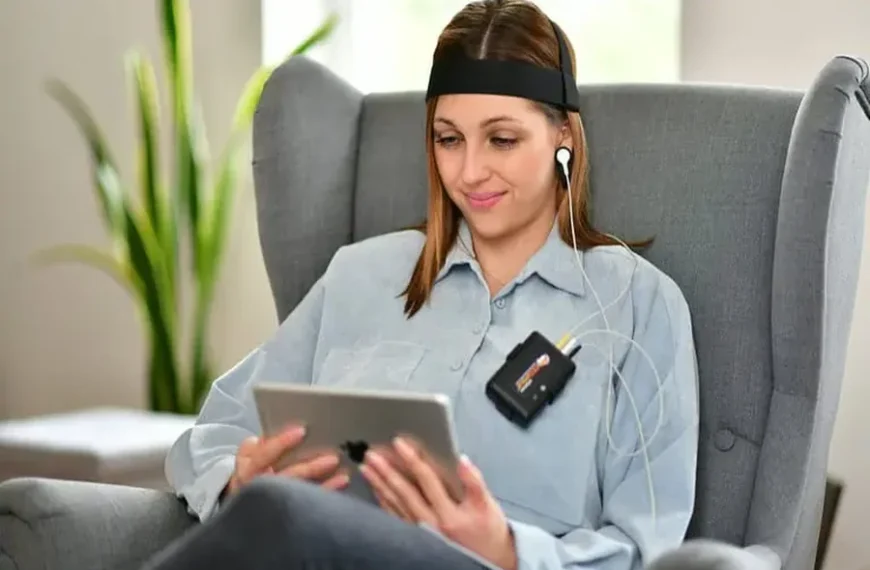
Home Biohacking Update (November 2026): Brain training has moved beyond crossword puzzles and memory games. Consumer EEG headsets can detect electrical brain activity and turn it into interactive feedback, while apps offer exercises for attention, memory and processing speed. For Indians exploring the best biohacking devices for home use, options range from inexpensive phone apps to sophisticated neurofeedback systems with remote coaching.
But can these gadgets actually train your brain, or are they simply another way to spend more time looking at a screen?
Brain Training vs Neurofeedback: What’s the Difference?
Traditional brain-training apps challenge cognitive skills through games involving memory, concentration or problem-solving.
Neurofeedback works differently. Using electroencephalography (EEG), a headset detects electrical activity at the scalp while software provides real-time feedback through sounds, visuals or interactive exercises.
The aim is to practise responding to this feedback over repeated sessions. Neither approach, however, guarantees improved concentration, memory or everyday cognitive performance.
1. Myndlift: Guided Neurofeedback Without Visiting a Clinic
Best for: People seeking personalised neurofeedback with professional guidance.
Israeli neurotechnology company Myndlift offers a guided at-home neurofeedback system that combines compatible Muse EEG hardware, personalised training and optional remote coaching.
Rather than selling a standalone headset, Myndlift operates a software platform that uses EEG signals to generate interactive feedback during training sessions. Depending on the exercise, users can train alongside games or video content.
What distinguishes Myndlift is its coaching option. A remote Neuro Coach can review assessments, develop an individual training protocol and adjust it as sessions progress. Self-guided training is also available.
India buying note: The app is available through the Indian Apple App Store and works with compatible Muse EEG hardware. Check headset availability, membership fees and coaching access before subscribing.
2. Muse: A Headband That Makes Meditation Interactive
Best for: Beginners interested in EEG-based mindfulness.
Muse offers a straightforward introduction to brain-sensing technology. Its EEG headbands connect to a smartphone app that translates brain activity into audio feedback during meditation.
For example, a soundscape may become more turbulent when the system detects patterns associated with a busy mind, then quieter as those patterns change.
Users can close their eyes and follow the sounds rather than watch a screen. The app also provides session insights, while certain models include sleep-related features.
Unlike Myndlift’s optional coached programme, Muse primarily offers self-directed experiences through its own app.
India buying note: Check international shipping, hardware compatibility and premium subscription requirements.
3. Sens.ai: A Premium All-in-One Brain-Training Headset
Best for: Technology enthusiasts seeking an integrated home neurofeedback system.
Sens.ai combines EEG neurofeedback, heart-rate-variability biofeedback and light-based stimulation in a dedicated headset.
Its app provides structured programmes, assessments and interactive training sessions. Unlike Myndlift’s optional human-guided approach, Sens.ai emphasises an integrated hardware-and-software experience.
The higher price makes it more suitable for committed enthusiasts than casual users. Its stimulation features are also distinct from ordinary EEG measurement, and their claimed benefits require separate evaluation.
India buying note: Check international delivery, import duties, subscription fees and warranty coverage before ordering.
4. BrainHQ and Lumosity: Brain Training Without a Headset
Best for: People who want cognitive exercises without investing in hardware.
Not every brain-training routine requires sensors.
BrainHQ offers adaptive exercises targeting attention, memory and processing speed. Lumosity similarly uses interactive games to challenge cognitive abilities.
Both offer convenient digital activities that can fit into short breaks or a commute. Unlike neurofeedback, however, they respond to task performance rather than measured brain activity.
A review of 43 studies involving 2,636 older adults found modest improvements on closely related cognitive tasks, but less convincing evidence of broader benefits in everyday life.
For casual users, a five-minute exercise may nevertheless be more practical than an elaborate training programme.
Which At-Home Brain-Training Option Is Right for You?
Product
Best for
Hardware required
Myndlift
Guided EEG neurofeedback
Compatible Muse headset
Muse
EEG-based meditation
Muse headband
Sens.ai
Premium multimodal brain training
Proprietary headset
BrainHQ / Lumosity
Cognitive exercises
Smartphone or computer
For a busy Mumbai professional, the best choice may depend more on time and commitment than technical specifications.
Muse suits people interested in interactive meditation, Myndlift offers a more structured approach with optional coaching, and app-based exercises provide a simpler entry point.
Before You Spend on Brain-Training Tech, Check These Three Things
1. Hardware requirements: Does the system require a proprietary headset, or can it work with existing devices? Imported hardware may complicate replacement and warranty support in India.
2. Guidance and commitment: Are sessions self-directed or professionally guided? Consider how much regular training is expected and whether remote coaching offers enough additional value.
3. Total cost: Subscriptions, coaching fees, international shipping and import duties can add considerably to the initial price.
Most importantly, measuring brain activity doesn’t automatically mean improving cognitive performance. Consumer neurofeedback gadgets should not be treated as medical substitutes.
FAQs: At-Home Neurofeedback and Brain Training
Can you do neurofeedback at home?
Yes. Systems such as Myndlift and Muse use compatible consumer EEG headsets for training or mindfulness exercises outside a clinic, with different levels of guidance.
Are at-home neurofeedback devices available in India?
Yes, although availability varies. Some systems use mobile apps and compatible EEG headsets, while others require proprietary hardware shipped internationally. Check compatibility, subscription costs and coaching support before purchasing.
Are brain-training apps the same as neurofeedback?
No. Brain-training apps use cognitive exercises and puzzles, while neurofeedback uses measured brain activity to generate feedback during training.
Can neurofeedback improve concentration?
Some studies report benefits in particular settings, but results are mixed. No consumer device guarantees better focus, memory or overall cognitive performance.
The Bottom Line
At-home brain training is becoming more accessible, but the technologies serve different purposes.
Myndlift combines EEG training with optional remote coaching, Muse provides an approachable introduction to interactive meditation, and Sens.ai offers a premium integrated headset. BrainHQ and Lumosity provide simpler alternatives without dedicated hardware.
For Indian consumers exploring mental biohacking, the smartest starting point is deciding whether they want guided neurofeedback, mindfulness support or an enjoyable cognitive challenge—not a gadget promising to transform the brain overnight.


