
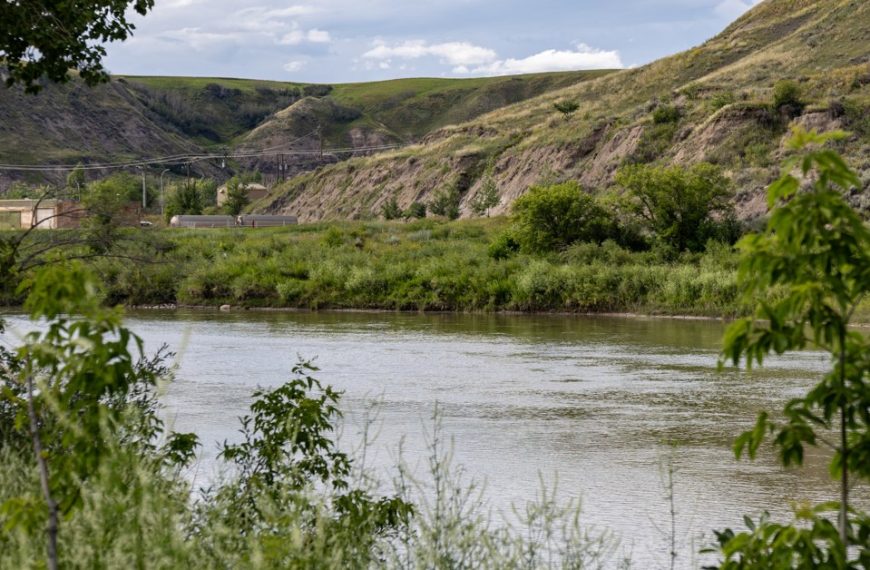
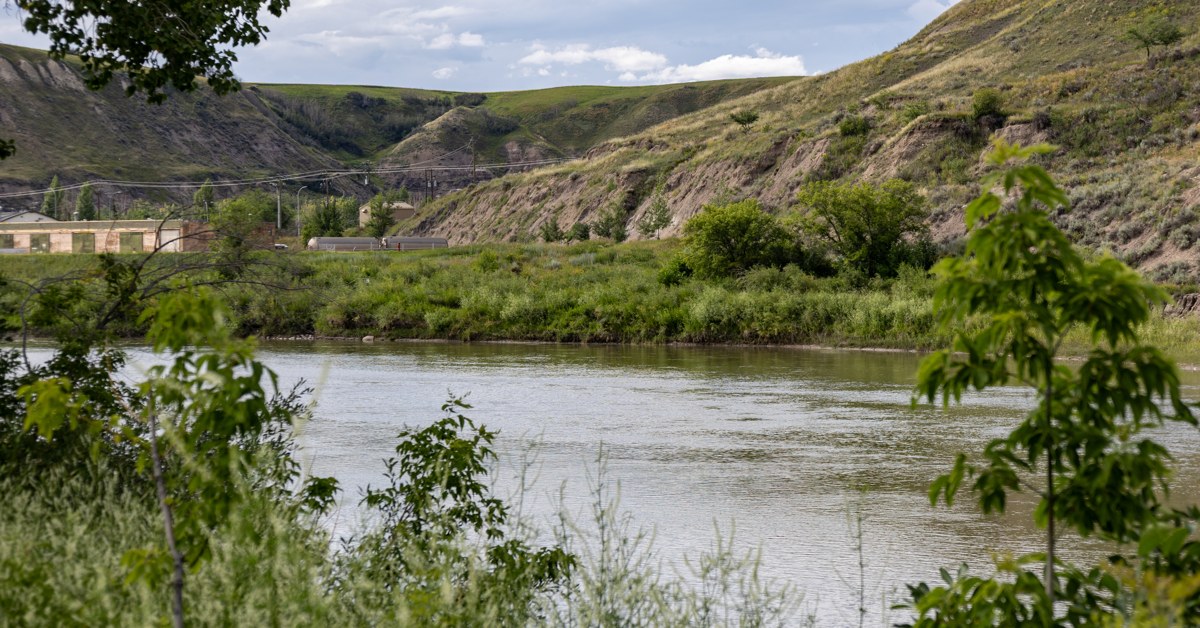
Long before urban infrastructure such as roads, bridges and communities developed in central Alberta, the Red Deer River Valley was an important gathering place, transport corridor, and seasonal home for Indigenous Peoples. This place contains thousands of years of history from Indigenous Peoples. Walking slowly through this space allows visitors to feel the Indigenous history within.
Red Deer is located nearly equidistant from the two major cities of Calgary and Edmonton.
Near the location I am talking about there are lots of fertile fields, rivers, and protected valleys where different peoples have come into contact with each other for many centuries, including the Cree, Blackfoot, Nakoda peoples and the Métis people.
There used to be a concept of bison hunting as well as medicinal plants, the exchange of trade goods between different territories, and an exchange of news. There were established pathways for all those purposes. The river valley provided protection from strong winds coming from the prairie as well as abundance of water and different animals.
The visitors who traveled there learned the surrounding world from their ancestors and acted according to all the useful pieces of advice provided by them. These people came back from generation to generation and gathered all the necessary information needed for living in a harmonious way.
Understanding the Meaning Behind Local Place Names
The memory contained in language allows one to learn about past events. Observing the local names used in Red Deer acts as a good introduction to the history of Canada’s Indigenous people. The name Red Deer comes from the translation mistake made by earlier European trappers since in Cree Waskasoo denotes “elk,” which is known to have been found really close to the banks of the river and was confused with red deer.
The local names in the area around Red Deer are not only used throughout the city but also in places such as Sylvan Lake, Gull Lake, Lacombe, and Ponoka. Such names used in creeks, hills, and towns of the region illustrate the history of the past.
Exploring Local Trails and Cultural Landmarks
One of the most accessible ways to begin learning about the region’s heritage is by spending time outdoors along the Waskasoo Park trail system. Stretching for more than 110 kilometers through Red Deer, these pathways wind past forests, wetlands, and riverbanks that sustained Indigenous families for generations. Walking quietly near the water at dawn or dusk makes it easy to imagine how communities once navigated the valley by canoe and on foot.
Across the city and surrounding central Alberta communities, visitors can also look for public art installations, murals, and commemorative markers created by Indigenous artists. These works reflect themes of resilience, kinship with the natural world, and the ongoing presence of First Nations and Métis peoples in modern Alberta. Taking time to read interpretive plaques and pause at riverside viewpoints adds meaningful context to even a short afternoon walk. If you are building a longer Canadian road trip, see these things to know before booking a Rocky Mountaineer trip.
For travelers planning a deeper cultural itinerary, exploring curated Indigenous experiences in Red Deer and region offers a helpful starting point to discover local events, educational opportunities, and community-led programming throughout the year.
Seasonal Gatherings, Powwows, and Community Celebrations
Throughout the year there are a range of Cultural Events in central Alberta. In particular, during summer months Pow-wows, Round Dances, Cultural Displays and Artisan Market places can be found.
Public Pow-Wows or Cultural Events provide an opportunity to see traditional music and dance. Each dance has a specific story and meaning attached to it. Some examples of these dances include Men’s Traditional Dance, Grass Dance, Women’s Jingle Dress and Fancy Shawl. These dances have been passed down within families within the local community. Visitors are generally invited to watch these dances. Supporting local Indigenous business/ artists is also possible. Within the event, often Elders and MCs will share information about what the songs mean, or what the dress in the arena means and what protocols should be followed.
Round Dances and story nights also take place in communities in winter, meaning that these can be appreciated during all seasons.
Practicing Respectful Cultural Tourism
Follow the guidance of Elders/hosts
When visiting during a tour, Cultural Centre or within a community please follow the guidance of Elders/hosts.
Ask permission to photograph people. When attending a pow wow, please ask permission to photograph dancers, drummers and Elders. Be respectful of sacred prayers/songs.
Buy from Indigenous people in the community
You can support indigenous peoples by buying beadwork, art, clothing and crafts directly from creative people in the community. Or from a reputable market within the community. This means people in the community, and their families, will be directly supported.
Keep humble
If possible, it is great to ask respectful questions. However, it is very important to remember that each First Nations and Metis Community within Alberta are very diverse with different cultures, histories and languages.
Be respectful of the land
Leave no trace, stay on marked walking routes and be respectful of the environment. This helps protect local wildlife and native medicinal plants. Planning other cultural journeys? Explore what makes Bali a favourite destination for different travellers.
Carrying the Stories Forward
Exploring central Alberta with an eye on local Indigenous culture and stories will give you a far more meaningful experience. Whether walking along the banks of the Waskasoo Seepee in the early morning, attending community events, viewing local art and gathering wisdom from local knowledge keepers, every part of this area has stories and history of creativity and perseverance. Taking your time to appreciate and learn from these places will allow visitors to understand the impact of these stories on current life in Red Deer. For more itinerary ideas built around place, read how to build a Sydney itinerary around the water.


