
The railway industry stands at a pivotal moment in its long history. As global concerns about climate change intensify and governments worldwide commit to ambitious carbon reduction targets, railways are increasingly recognized as a cornerstone of sustainable transportation infrastructure. As a rail consultant specializing in environmental solutions, I’ve had the privilege of working on projects that demonstrate how railways can lead the transition toward a more sustainable future while maintaining operational excellence and economic viability.
The Environmental Imperative
Transportation accounts for approximately 24% of global energy-related carbon emissions, with road transport representing the largest share. Railways, by contrast, offer one of the most energy-efficient modes of transportation available today. A single train can carry the equivalent passenger load of hundreds of automobiles or the freight capacity of dozens of trucks while consuming significantly less energy per passenger-kilometer or ton-kilometer transported.
However, the railway industry cannot rest on its inherent efficiency advantages. As a rail consultant working across multiple continents, I’ve observed how forward-thinking railway operators are implementing comprehensive sustainability strategies that go far beyond basic energy efficiency. These initiatives encompass everything from renewable energy integration to circular economy principles in maintenance practices.
The business case for sustainable railway solutions has never been stronger. Energy costs represent a significant portion of operational expenses for most railway operators, making efficiency improvements directly translatable to bottom-line benefits. Additionally, increasingly stringent environmental regulations and growing public awareness of climate issues are creating both regulatory pressure and market opportunities for sustainable transportation solutions.
Electrification and Clean Energy Integration
Railway electrification represents one of the most impactful sustainability initiatives available to the industry. Electric trains produce zero direct emissions and offer superior energy efficiency compared to diesel alternatives. However, the environmental benefits of electrification depend heavily on the source of electrical power used to operate the system.
Modern sustainable railway projects increasingly incorporate renewable energy sources directly into their power supply chains. Solar installations on station roofs and adjacent land parcels can generate substantial portions of a railway’s energy needs. Wind farms strategically located along railway corridors can provide additional renewable capacity while taking advantage of existing transmission infrastructure.
Energy storage technologies are becoming increasingly important for optimizing renewable energy utilization in railway applications. Battery storage systems can capture excess renewable generation during peak production periods and release this energy during high-demand operational windows. Regenerative braking systems in electric trains can feed energy back into the grid, with storage systems capturing this energy for later use.
As a rail consultant involved in several electrification projects, I’ve seen how careful planning can maximize the environmental and economic benefits of these initiatives. Route analysis, energy consumption modeling, and renewable resource assessment must be integrated from the earliest planning stages to ensure optimal system design.
Sustainable Infrastructure Development
The construction and maintenance of railway infrastructure presents numerous opportunities for implementing sustainable practices. Modern railway construction projects increasingly emphasize the use of recycled materials, local sourcing to reduce transportation emissions, and construction methods that minimize environmental disruption.
Concrete, a major component of railway infrastructure, represents a significant source of embodied carbon in railway projects. Innovative concrete formulations using recycled materials, alternative cement chemistries, and carbon capture technologies can substantially reduce the carbon footprint of new railway construction. Similarly, steel recycling programs ensure that materials from decommissioned railway infrastructure find new life in future projects.
Green infrastructure concepts are being integrated into railway corridor development with increasing frequency. Vegetation along railway rights-of-way can provide carbon sequestration benefits while supporting biodiversity and managing stormwater runoff. Pollinator corridors created alongside railway tracks can support ecosystem health while requiring minimal maintenance once established.
Water management represents another critical aspect of sustainable railway infrastructure. Rainwater harvesting systems can provide water for train washing and station facilities while reducing demand on municipal water supplies. Constructed wetlands can treat runoff from railway operations while creating habitat for local wildlife.
Rolling Stock Innovation and Lifecycle Management
The trains themselves offer numerous opportunities for sustainability improvements. Modern rolling stock design emphasizes lightweight materials, aerodynamic efficiency, and advanced propulsion systems that minimize energy consumption while maintaining performance standards.
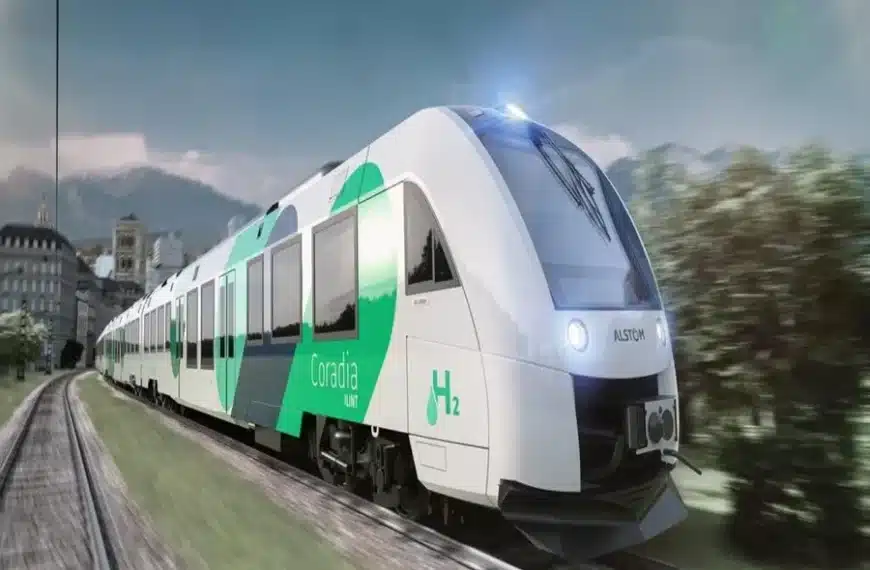
Alternative fuel technologies are gaining traction in railway applications, particularly for routes where electrification may not be economically viable. Hydrogen fuel cell trains have entered commercial service in several countries, offering zero-emission operation with performance characteristics comparable to diesel trains. Battery-electric trains are finding applications on shorter routes and branch lines where charging infrastructure can be readily implemented.
Lifecycle management practices are becoming increasingly sophisticated in sustainable railway operations. Predictive maintenance technologies extend component lifespans while reducing waste generation. When rolling stock reaches end-of-life, comprehensive recycling programs ensure that materials are recovered and reused rather than disposed of in landfills.
As a rail consultant working with fleet optimization projects, I’ve observed how data analytics and artificial intelligence can significantly improve the sustainability of rolling stock operations. Intelligent energy management systems can optimize train performance in real-time, reducing energy consumption while maintaining schedule adherence.
Operational Excellence and Efficiency
Sustainable railway solutions extend beyond hardware to encompass operational practices that maximize efficiency while minimizing environmental impact. Advanced traffic management systems can optimize train scheduling and routing to reduce energy consumption and improve capacity utilization. Real-time data analytics enable operators to identify and address inefficiencies quickly.
Driver training programs focused on energy-efficient operation can yield substantial benefits with relatively modest investment. Eco-driving techniques, such as optimized acceleration and braking patterns, can reduce energy consumption by 10-15% or more while extending equipment life and improving passenger comfort.
Intermodal connectivity represents a crucial aspect of sustainable transportation systems. Railways achieve maximum environmental benefit when they’re integrated with other sustainable transportation modes, such as electric buses, bike-sharing systems, and pedestrian infrastructure. Park-and-ride facilities with electric vehicle charging stations can facilitate the transition from private vehicle dependence to sustainable public transportation.
Economic Models and Funding Mechanisms
The transition to sustainable railway solutions requires substantial investment, but innovative financing mechanisms are making these projects increasingly viable. Green bonds specifically targeted at sustainable transportation infrastructure have attracted strong investor interest, reflecting growing recognition of railways’ role in climate mitigation.
Carbon pricing mechanisms and environmental credits are beginning to provide additional revenue streams for sustainable railway projects. Railways that can demonstrate quantifiable emission reductions may be eligible for carbon credits that can be sold to organizations seeking to offset their emissions.
Public-private partnerships are increasingly incorporating sustainability metrics into project evaluation and performance measurement. These arrangements can align private sector expertise and capital with public sector sustainability objectives while ensuring long-term operational viability.
Future Directions and Emerging Technologies
The future of sustainable railways lies in the integration of emerging technologies that can further improve environmental performance while maintaining operational excellence. Autonomous train operations can optimize energy consumption through precise speed and timing control while improving capacity utilization.
Digital twin technologies enable comprehensive system optimization by creating virtual models of railway networks that can be used to test and implement efficiency improvements before physical deployment. These systems can identify optimal strategies for integrating renewable energy, managing energy storage, and coordinating complex operational scenarios.
As a rail consultant working at the intersection of sustainability and technology, I’m excited by the potential for railways to not only reduce their own environmental impact but to serve as catalysts for broader sustainable development. The green lines of the future will represent more than just sustainable transportation—they’ll be integral components of sustainable communities and economies.
The transformation toward sustainable railway solutions requires expertise across multiple disciplines, from renewable energy systems to sustainable construction practices to advanced operational optimization. For rail consultants, this evolution represents both a challenge and an opportunity to contribute to one of the most impactful sustainability initiatives of our time.


