
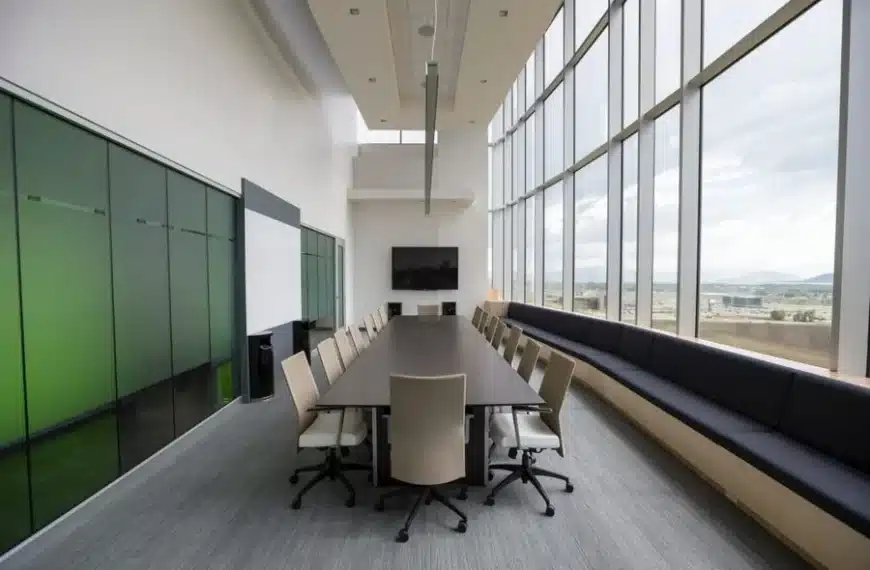
Smart glass is not just another building material. It’s an engineered surface that changes its transparency at the flip of a switch. The most common version uses polymer dispersed liquid crystal (PDLC) film sandwiched between two panes of glass. In its natural state, the PDLC molecules scatter light, making the glass look frosted. When an electric current passes through, the molecules align, letting light pass through and turning the glass clear.
This shift happens in seconds and can be controlled manually or automatically. The earliest versions emerged in the late 20th century, finding their way into research labs and a handful of high-end architectural projects. Over time, the technology split into several branches: PDLC for privacy applications, suspended particle device (SPD) glass for rapid tint changes, and electrochromic glass for gradual light and heat control. Each has unique strengths—PDLC for instant privacy, SPD for fast response, and electrochromic for energy-efficient shading.
What makes it “smart” is the ability to manage visibility, light, and even heat without mechanical blinds or shades. Beyond aesthetics, it can reduce glare, block UV rays, and regulate indoor temperatures, all while maintaining a sleek, uncluttered design.
From Niche Luxury to Mainstream Potential
When smart glass first appeared in the market, its price and fragility kept it confined to premium spaces: luxury cars with switchable sunroofs, corporate meeting rooms with instant privacy, and upscale residences. Installation was costly, replacement parts were scarce, and the technology was unfamiliar to most contractors.
The last decade changed that. Production methods improved, especially for PDLC film, and new suppliers entered the market. Costs dropped significantly, and durability improved to the point where smart glass can now handle everyday wear in public spaces. Cultural trends added momentum: sustainability became a design priority, minimalism pushed for clutter-free interiors, and the shift toward flexible workspaces created demand for adaptable environments.
Smart glass now sits at the intersection of style, practicality, and efficiency. Businesses that once wrote it off as a novelty are rethinking its value, especially as customers expect more interactive and responsive spaces.
Smart Glass in Everyday Life – New Markets Emerging
The appeal of smart glass lies in its adaptability. It moves easily between industries without losing relevance. A small coffee shop might use a glass wall to open the space visually during the day, then switch it to opaque mode for an evening film screening. A homeowner could install it in a bathroom window to let in daylight without sacrificing privacy. In compact apartments, it can replace curtains in a home office that doubles as a guest room, changing from open to private in seconds.
Co-working spaces benefit by using smart glass as flexible partitions. Instead of permanent walls or fabric dividers, they can adjust transparency based on bookings and events. In dense urban environments, where every square meter must serve multiple functions, smart glass supports the idea of spaces that change throughout the day.
These real-world uses reveal a broader truth: the more versatile a material is, the more entry points it offers for entrepreneurs.
Ten Business Models Where Smart Glass Could Shine
Smart glass is not just a product—it’s a foundation for entirely new business models. Here are ten viable directions for entrepreneurs.
1. Pop-Up Retail Pods
In urban shopping districts, smart glass pods can sit in plazas or transit hubs, transparent during the day to showcase products and opaque for exclusive events at night. Target customers include emerging designers and online brands seeking physical exposure. The draw is flexibility: one pod can host different brands weekly, generating rental income.
2. Mobile Showrooms
Vans or trucks fitted with smart glass panels can travel to customers, turning clear for product viewing and opaque for transport. This appeals to high-value goods—jewelry, electronics, designer furniture—where the reveal is part of the sales pitch. Operating costs are lower than permanent showrooms, and the novelty attracts social media attention.
3. Wellness Studios
Yoga, pilates, and spa operators can use smart glass to balance openness with privacy. Transparent glass invites passersby in, while opaque mode offers an intimate, focused atmosphere during sessions. Smaller spaces benefit most, as the same room can serve group classes and private treatments without remodeling.
4. Art and Exhibition Spaces
Galleries and museums can control the visibility of pieces based on time slots or special events. For sensitive works, opacity can protect them from light exposure. Temporary exhibitions can use rented smart glass partitions for adaptable layouts.
5. Privacy-on-Demand Restaurants
High-end dining venues could integrate smart glass into private areas, letting guests switch their restaurant booths from open to opaque during meals. This balances social energy with discretion, appealing to both corporate clients and couples.
6. Medical and Dental Offices
Patients often value privacy during procedures. Smart glass can replace blinds and curtains, improving hygiene and aesthetics. It’s especially useful in modern clinics that aim for open layouts without compromising patient comfort.
7. High-End Real Estate Staging
Developers can use smart glass to alter lighting and sightlines during tours, emphasizing different features at different times. Buyers get a sense of the property’s flexibility, and the tech itself becomes a selling point.
8. Conference and Training Hubs
Event spaces often need to shift between open halls and smaller rooms. Smart glass partitions make this possible without heavy construction or storage for movable walls.
9. Hotel Room Innovation
From switchable bathroom panels to balconies with instant privacy, hotels can differentiate themselves with guest-controlled transparency. This creates a sense of personalization that traditional curtains can’t match.
10. Advertising Surfaces
When opaque, smart glass can double as a projection screen or backlit display for brands. Storefronts can rotate ads without replacing physical signage, creating revenue streams for property owners.
Pairing Smart Glass with Other Technologies
The potential of smart glass grows when it connects with other systems. Internet of Things (IoT) integration allows glass to respond to schedules, occupancy sensors, or environmental changes. For example, glass could turn opaque automatically when a room reaches a certain brightness, reducing heat gain and cooling costs.
Artificial intelligence can refine this automation. A workspace could adjust glass transparency based on meeting schedules pulled from a calendar app. In retail, AI could trigger opacity during limited-access product reveals or flash sales.
Augmented reality (AR) and virtual reality (VR) add another layer. Storefront smart glass can act as an interactive display, projecting AR overlays onto clear panels. In the hospitality sector, windows could display live translations of menus, event listings, or tourist guides.
Finally, integrating smart glass into green building strategies can help secure energy-efficiency certifications, making projects eligible for government incentives.
Costs, ROI, and Market Trends
Cost remains the primary barrier for many. PDLC smart glass typically ranges from $50 to $100 per square foot for installation, while electrochromic glass can be higher. Large commercial projects may see volume discounts, but small businesses still face substantial upfront costs.
However, operational savings offset some of that investment. Reduced reliance on blinds, curtains, and artificial lighting lowers maintenance and energy bills. For businesses in hot climates, controlling solar gain can meaningfully cut air-conditioning expenses.
Market forecasts suggest steady growth over the next decade, with Asia-Pacific and North America leading adoption. Factors include rising urban density, architectural trends favoring open spaces, and the push for energy-efficient construction. Government subsidies for green building materials in certain regions could further accelerate adoption.
Hurdles to Overcome
For small businesses, the biggest challenge is financing. Leasing options or cooperative purchasing agreements could make adoption easier. Maintenance is another factor—while smart glass is durable, it requires specialized repair if damaged.
Customer education also matters. Businesses need to show clients why smart glass is more than a gimmick. Demonstrations, clear explanations of benefits, and integration into everyday operations help build acceptance.
Finally, compliance with building codes and safety regulations varies by region. Fire safety, impact resistance, and electrical standards must all be met before installation.
The Future of Smart Glass in Business
The next generation of smart glass will likely move beyond simple transparency control. Research is underway into panels that change color, integrate solar cells, or repair minor scratches automatically. In hospitality, transport, and residential construction, smart glass could become as standard as double glazing.
Another frontier is the hybrid physical-virtual environment. As the metaverse concept evolves, smart glass could serve as a portal between physical interiors and digital experiences, merging real views with projected virtual content.
For entrepreneurs, the current moment offers a rare advantage. Adoption is growing, but the market is not yet saturated. Businesses that enter now can define standards, build brand recognition, and develop specialized applications before competitors flood the space.


