
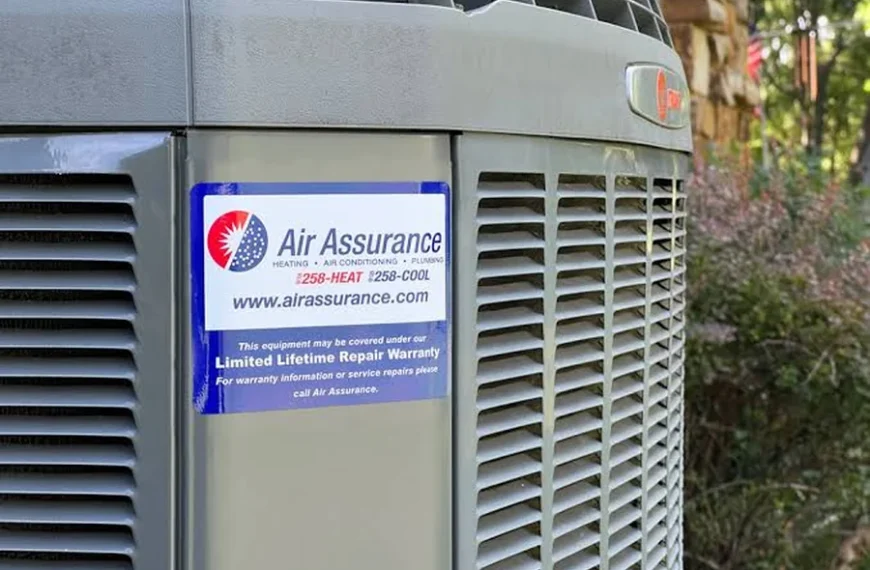
Service records lose value when details are stored in separate places. A date on an invoice, a note in dispatch software, and a faded panel mark rarely help a technician under pressure. Custom HVAC stickers bring key maintenance facts back to the unit. That placement supports cleaner handoffs, quicker diagnosis, and steadier follow-up. For service companies, organized labels reduce guesswork and help preserve the history of each system.
Records Start at the Unit
Every visit leaves useful evidence, such as filter size, repair date, coil condition, and warranty status. A durable label from www.comgraphx.com/hvac-stickers/ keeps those facts close to the cabinet, where technicians and property staff can compare prior work with current symptoms before opening panels or calling the office.
Faster Technician Review
A technician should not need to reconstruct a unit’s history from memory. A clear sticker can show the last service date, company phone number, and unit identifier in seconds. That quick view helps confirm whether the call involves routine maintenance, a recent repair review, or a possible part issue. Customers also have to answer fewer repeated questions, which makes the visit feel more orderly.
Cleaner Maintenance Logs
Sticker notes work best as a field reference, not a full record system. The label can carry a job number, inspection date, or next service month. Office staff can match that information with invoices, photos, or work orders. This connection keeps the equipment record and the administrative file aligned.
Better Callback Handling
Callbacks need context. A sticker can show which technician visited, what area was checked, and when the work occurred. That detail helps the next crew avoid repeating basic steps. Dispatchers also gain a better starting point before assigning labor, ordering parts, or reviewing warranty coverage.
Useful Information to Include
Strong HVAC labels should remain readable at arm’s length. Useful fields include the company name, phone number, service date, technician initials, unit number, warranty information, and job number. Crowded layouts slow people down. A practical design gives the most urgent details priority, then leaves enough space for handwriting or printed variable data.
Durable Materials Matter
Equipment labels face various conditions, such as heat, rain, ultraviolet exposure, dust, and washdown chemicals. Thin paper stock can curl, stain, or fade before the next seasonal visit. Polyester film, protective laminate, and permanent adhesive help printed details remain legible on metal panels. A split liner also saves time during installation, especially during busy service schedules.
Fewer Record Gaps
Missing notes often appear after rushed calls, staff turnover, or emergency repairs. A visible sticker lowers reliance on memory because essential facts remain attached to the equipment. New technicians can review prior work before removing covers. Managers can compare label dates with account records, helping them spot missed invoices, overdue maintenance, or delayed follow-up.
Stronger Customer Confidence
Customers notice whether a service company treats equipment history with care. A clean label with accurate information shows disciplined field practice. It also leaves one clear point of contact after the technician departs. That matters during heating or cooling failures, because the company details stay beside the system that requires service.
Helpful For Multi-Unit Sites
Commercial buildings, apartments, schools, and rental portfolios often contain similar systems. Without clear identifiers, crews can service the wrong unit or attach notes to an incorrect account. Custom stickers can show unit numbers, building zones, and maintenance intervals. That structure helps teams assign work correctly and preserve the history for each system.
A Simple Field Standard
Labels deliver the most value when every crew follows the same routine. Technicians should place stickers in a consistent location, write dates clearly, and update notes after each visit. Supervisors can include label checks during quality reviews. Over time, that habit turns the equipment panel into a reliable service reference.
Conclusion
Custom HVAC stickers give service teams a practical way to keep important records visible, accurate, and tied to the equipment. They support faster inspections, cleaner documentation, and clearer customer communication. Durable materials protect dates and notes through weather, handling, and repeated visits. For contractors managing maintenance plans, warranty calls, and multi-unit properties, a well-planned label system brings order to daily field work.


