
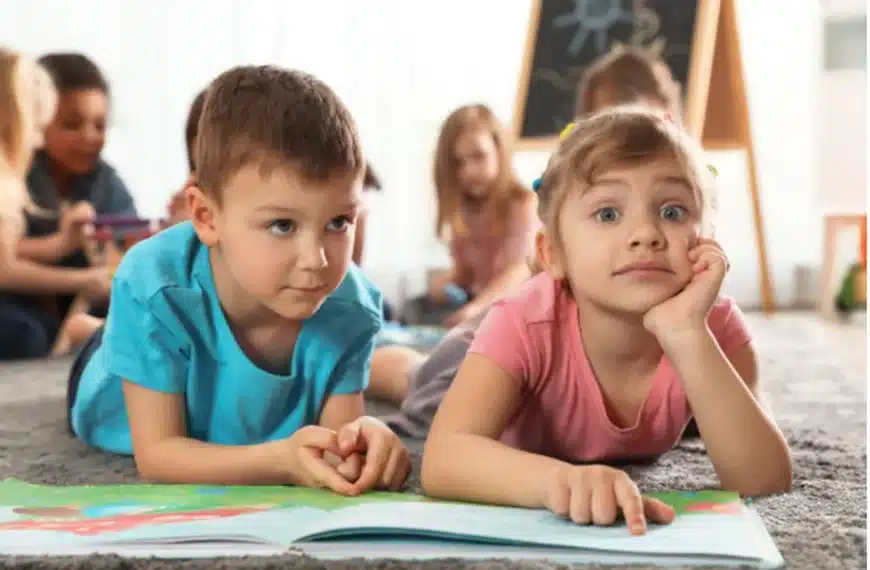
The early years of a child’s education are foundational in shaping their academic, social, and emotional development. Kindergarten plays a pivotal role in this process, equipping children with essential skills while fostering curiosity, confidence, and creativity. A carefully prepared child is more likely to embrace learning, engage socially, and adapt smoothly to the structured environment of formal education.
Understanding Kindergarten
Kindergarten emerged in the early 19th century as a play-based educational program designed to support young children’s holistic development. Its approach emphasizes creativity, social interaction, and developmentally appropriate learning experiences that lay the groundwork for future academic success.
The objectives of kindergarten extend beyond literacy and numeracy. Programs are designed to cultivate social skills, emotional resilience, critical thinking, and creativity. By fostering independence and self-confidence, kindergarten prepares children to navigate school life successfully and instills a lifelong love for learning.
Key Aspects of Kindergarten Education
Academic Foundations: Kindergarten introduces fundamental concepts in literacy, numeracy, and scientific reasoning. Thoughtfully designed curricula, active learning methodologies, and interactive assessments ensure children engage meaningfully with new information.
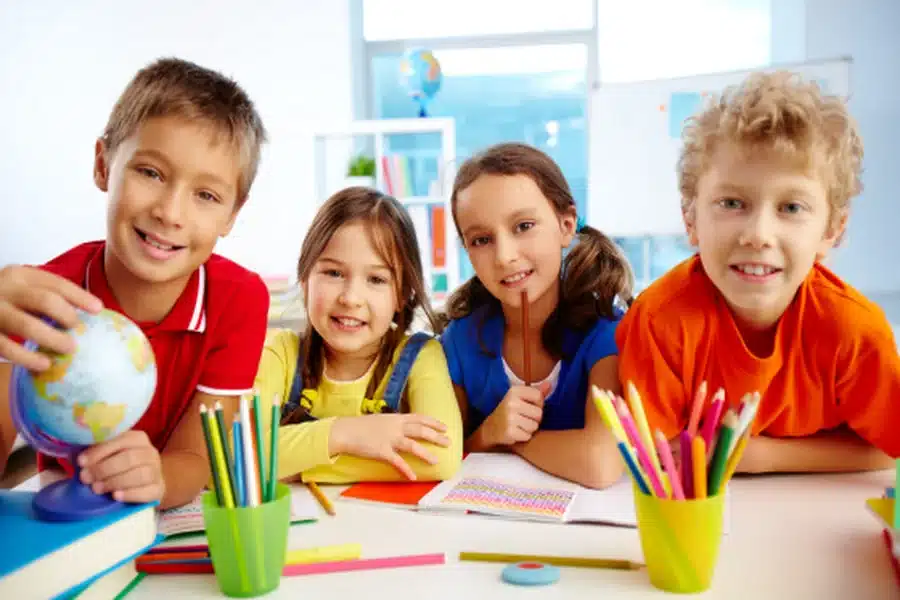
Social Interaction: Peer activities, collaborative projects, and structured play enable children to develop communication skills, empathy, and problem-solving abilities. These social experiences nurture emotional intelligence and encourage healthy peer relationships.
Skill Development: Kindergarten cultivates cognitive, motor, and creative skills through hands-on activities, art, music, and guided exploration. Early exposure to diverse learning experiences enhances adaptability, critical thinking, and curiosity.
The Importance of Kindergarten Readiness
Preparing a child for kindergarten is essential for fostering academic success, social competence, and emotional resilience. Early preparation helps children feel confident in new environments, promotes independence, and encourages curiosity. A strong foundation in early learning equips children with the tools to succeed academically and socially throughout their educational journey.
Kindergarten serves as the first structured learning experience, providing children with a sense of routine and the opportunity to develop essential social and emotional skills. This early exposure lays the groundwork for positive attitudes toward education, self-motivation, and lifelong learning.
Preparing Your Child for Kindergarten
A structured approach to kindergarten preparation ensures a smooth transition and maximizes learning potential.
Creating a Learning-Friendly Environment at Home: A supportive home environment nurtures curiosity and promotes focus. Providing necessary resources, minimizing distractions, and encouraging open communication allow children to explore and learn confidently.
Parental Involvement: Parents are critical partners in early education. Actively participating in their child’s learning, fostering social skills, and establishing consistent routines enhances school readiness. Supporting literacy and numeracy skills at home, encouraging play-based learning, and modeling positive attitudes toward education are effective strategies.
School Engagement: Collaboration with teachers and involvement in school activities reinforce learning and strengthen the connection between home and school. Parent-teacher communication allows for tailored support and fosters a nurturing educational environment.
Transition Support: Children may face challenges such as separation anxiety or adapting to new routines. Gradual exposure, reassurance, comfort items, and positive reinforcement help children adjust. Addressing learning difficulties early through tailored strategies and encouragement ensures that children feel supported and confident.
At this stage, families often consider enrolling their children in reputable institutions that provide a balanced and comprehensive approach to early education. Programs like Small Wonder singapore kindergarten exemplify the integration of academic instruction with play-based exploration, fostering cognitive, social, and emotional growth in a safe, nurturing environment. By combining a rich curriculum with attentive educators, such institutions ensure children develop the skills, confidence, and curiosity necessary for a successful transition into formal schooling.
Overcoming Common Challenges
Children may experience separation anxiety, difficulty adjusting to new routines, or initial hesitation in group settings. Parents and educators play a vital role in mitigating these challenges through patience, consistent routines, and encouragement. Encouraging independence while providing reassurance enables children to embrace their new learning environment with confidence and curiosity.
Conclusion
Kindergarten is more than a preparatory stage; it is a critical foundation for a child’s educational and personal growth. Preparing children through supportive home environments, active parental involvement, and carefully chosen educational programs ensures they enter school with confidence, adaptability, and enthusiasm for learning.
Early investment in quality kindergarten education cultivates essential skills, fosters emotional resilience, and promotes social competence. By prioritizing readiness and enrolling children in institutions that combine comprehensive curricula with nurturing environments such as Small Wonder Singapore kindergarten parents provide the tools for lifelong learning and success. A positive kindergarten experience sets the stage for academic achievement, personal growth, and a genuine love of learning that endures throughout a child’s life.


