
The human face carries a complex map of muscular forces that dictate both function and silhouette. Traditional perceptions of lower facial aesthetics often centered on rigid bone structure alone, assuming that a wide or angular mandible required invasive surgical intervention to alter. Modern clinical practice recognizes that soft tissue contributors, particularly the muscles of mastication, play a dominant role in determining facial width. Clinicians now evaluate the lower face through a functional lens where muscular volume directly influences structural appearance. Soft tissue dynamics shift constantly under the influence of habitual contraction patterns, dietary habits, and involuntary jaw clenching.
Skeletal dimensions provide the foundational framework, but muscle bulk frequently creates the visual impression of a heavy or square lower third. Patients frequently present with complaints related to facial width without realizing that the underlying driver is muscular rather than skeletal. Diagnostic palpation during maximum voluntary clenching reveals the true thickness of the target musculature, separating bone expansion from soft tissue hypertrophy. Careful clinical examination prevents misdiagnosis and directs practitioners toward appropriate non-invasive management strategies.
Mechanisms of Muscular Hypertrophy
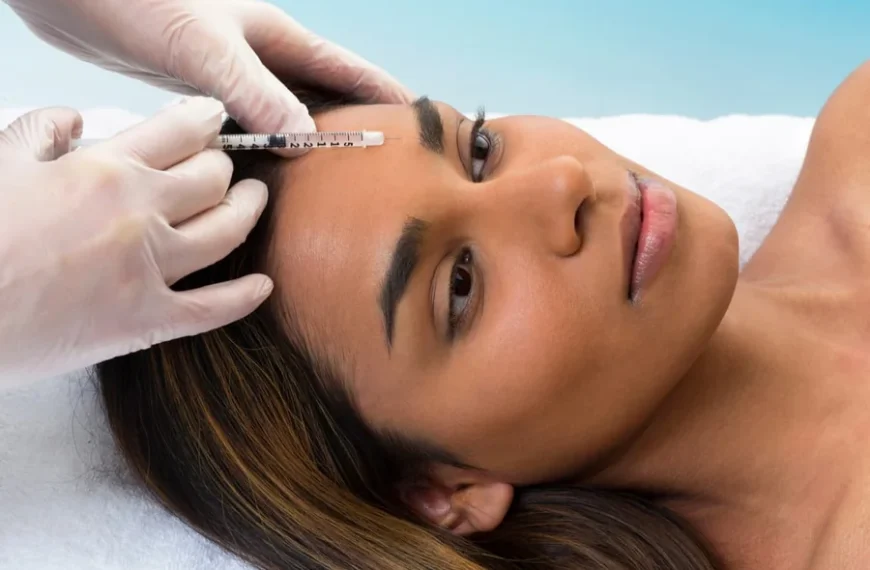
At the center of this functional approach lies botulinum toxin, a potent biological agent derived from the bacterium Clostridium botulinum. This purified neurotoxic protein acts at the neuromuscular junction by blocking the exocytosis of acetylcholine, preventing targeted muscle fibers from receiving neural activation signals. Researchers and practitioners utilize pharmaceutical preparations of this compound to induce localized flaccid paralysis, which over time leads to targeted reduction in muscle mass due to disuse atrophy. For those seeking clinical-grade materials, researchers often need to buy botox through specialized distributors to maintain precise experimental or procedural standards. Therapeutic protocols depend entirely on maintaining strict potency standards and cold-chain integrity when handling vials of botox prior to reconstitution. Practitioners value botox for its predictable mechanism and localized diffusion profile, allowing precise control over muscle relaxation protocols without systemic side effects.
Hypertrophy of the masseter muscle is a frequent driver of masseter hypertrophy and a square lower face. Constant physical stimulation from chewing, gum habits, or nocturnal bruxism causes these thick rectangular muscles to increase in cross-sectional area. A 2019 clinical review published in the aesthetic dermatology literature noted that chronic overload of the masticatory system leads to significant dimensional changes in the mandibular angle. Patients experiencing severe jaw tension often present with pronounced lower facial widening due to persistent over-recruitment of muscle fibers. Clinical analysis shows that addressing jawline slimming requires interrupting the feedback loop between nerve impulses and sustained muscular contraction. Muscle relaxation achieved via targeted neuromodulator treatment allows the hypertrophied fibers to gradually decrease in volume over several months.
Therapeutic Applications and Symptom Management
Involuntary grinding habits place extraordinary stress on the temporomandibular joint and surrounding structures. Chronic overload leads to persistent pain, localized fatigue, and localized structural remodeling of the jawbone itself due to continuous mechanical traction. Medical interventions aimed at bruxism and teeth grinding traditionally relied on occlusal splints or physical therapy, which manage symptoms without addressing the underlying muscular hyper-reactivity. Chemical denervation offers a direct method to calm hyperactive motor units, reducing the force generated during nocturnal episodes. Patients frequently report significant relief from jaw tension and associated tension headaches within weeks of treatment initiation.
Applications of these protocols frequently blur the line between clinical symptom management and cosmetic refinement. Chronic bruxism causes dental attrition and localized discomfort, making aesthetic vs. therapeutic masseter treatment a dual-purpose endeavor. At the same time, the consequent reduction in muscle volume provides a softer, lower facial contouring effect that many patients desire. Practitioners must evaluate whether the presenting case stems primarily from pain management goals or a desire for facial slimming. Facial proportion and balance are thus achieved when relief from physical tension coincides with desired alterations in facial architecture.
Balancing Aesthetics and Facial Proportion
Securing harmony in the lower third of the face requires a delicate calculation of proportions. A square jaw can sometimes overwhelm feminine facial features or disrupt the balance between the malar eminences and the mandible. Non-surgical contouring focuses on rebalancing these zones by reducing the visual weight of the jaw angle through masseter muscle reduction. Neuromodulator treatment provides a reversible alternative to surgical recontouring, giving clinicians the ability to test proportions before any permanent changes occur. Facial proportion and balance dictate that the transition from the cheekbone to the chin should follow a smooth, tapered line rather than a sharp, heavy corner. Careful mapping of the masseter boundaries ensures that adjacent muscles, such as the risorius or buccinator, are left unaffected during the procedure.
Pharmacokinetics and Procedural Administration
Precise anatomical knowledge remains mandatory when treating the lower face. Injection technique and dosing protocols vary based on individual muscle thickness, bite force, and anatomical variations of the parotid gland and facial nerve branches. Practitioners typically divide the dose across multiple points within the lower and middle thirds of the masseter to ensure even diffusion throughout the muscle belly. Onset and duration of effect follow a predictable timeline, with initial weakness appearing within a few days and peak muscular volume reduction manifesting around twelve weeks post-injection. Maintenance intervals typically range from four to six months as motor endplates gradually regenerate and neuromuscular transmission resumes.
Key considerations during procedural planning include:
- Prevention of unintended diffusion into the smile muscles relies on evaluating the superficial musculoaponeurotic system.
- Total unit calculations depend on baseline maximal voluntary contraction force rather than arbitrary volume charts.
- Safe injection zones require careful mapping relative to the anterior border of the parotid duct and the marginal mandibular nerve.
Comparative Modalities in Facial Contouring
Evaluation of treatment options requires looking closely at how non-surgical modalities stack up against invasive surgical alternatives. Botulinum toxin vs. jaw surgery represents a major divergence in patient recovery time, risk profile, and reversibility. Surgical mandibulectomy or bone shaving permanently alters the skeletal framework, carrying substantial downtime and surgical risks. Conversely, non-surgical contouring relies on temporary muscular atrophy, offering a gradual transformation with minimal disruption to daily routines. Another frequent point of comparison involves masseter treatment vs. filler for jawline definition, where clinicians must determine whether the clinical goal requires adding volume to a receding jaw or reducing bulk in an overly wide mandible. Placement of fillers in an already hypertrophied masseter would compound facial width, highlighting the importance of precise diagnostic evaluation.
Clinical management of the lower face requires a thorough understanding of neuromuscular dynamics and muscular adaptation. Patient outcomes depend on accurate diagnosis of masseter hypertrophy versus structural skeletal width. Continued research into optimal dosing strategies and long-term tissue responses will further refine these non-surgical techniques. Practitioners navigate these choices by balancing patient expectations with rigorous anatomical science, ensuring safe and predictable results across diverse clinical presentations.


