

When an important statement is disputed, uncertainty can quickly become frustrating. You may hear two different versions of the same event, face unanswered questions, or struggle to determine which information is reliable. In these situations, assumptions rarely provide the clarity you need. You need a structured way to examine the specific issue.
A lie detector test can provide one approach for examining a clearly defined statement. During a polygraph examination, you answer carefully developed questions while an instrument records physiological responses such as respiration, cardiovascular activity, and skin conductivity. A qualified examiner then evaluates the recorded data as part of the examination process.
Polygraph examinations may be considered in different situations where specific information needs closer verification. Here are eight ways this type of testing may be used to address disputed statements or claims.
1. Verify Relationship Claims
Relationship concerns can involve serious questions about honesty. You may need to address a specific claim about infidelity, undisclosed contact, or another event that has affected trust. A structured examination can provide a way to address a clearly defined concern.
A lie detector test can focus on a particular matter when the questions are properly developed. The questions should be clear and suitable for yes-or-no responses. An examination can provide additional information, but it should not replace communication or personal judgment.
2. Check Employment Statements
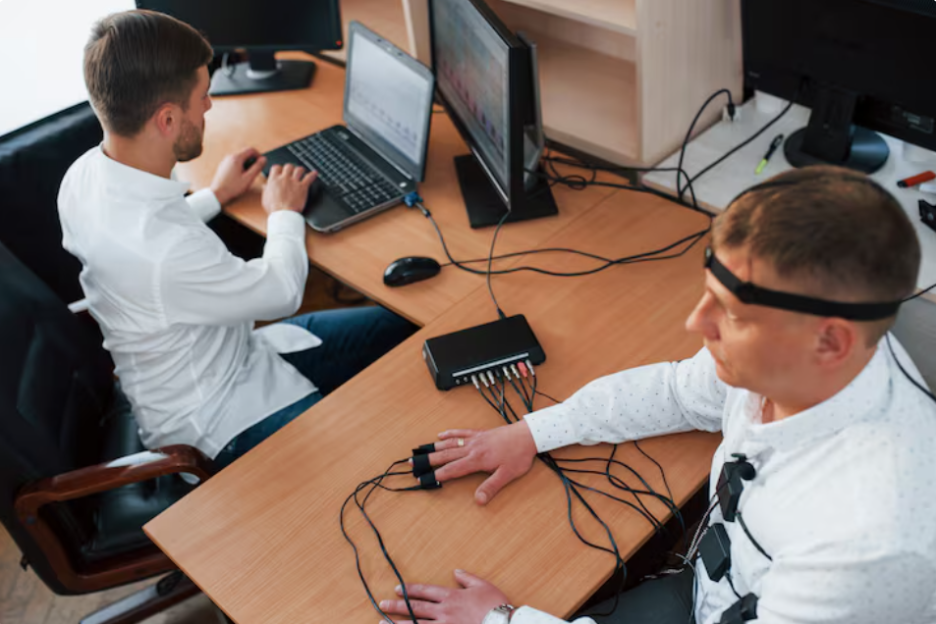
Workplace situations can involve questions about theft, misconduct, policy violations, or other specific events. When accounts differ, you may want a structured way to examine a particular statement or allegation. This can be especially relevant when the outcome could affect workplace trust or an important employment decision.
A polygraph examination can address defined employment-related concerns when the circumstances and questions are appropriate. Keeping the questions focused can help prevent unrelated workplace issues from becoming part of the same examination.
3. Examine Theft Claims
Theft and loss situations often involve conflicting accounts. You may need to determine whether someone denies taking property, accessing missing funds, or participating in a particular incident. Broad accusations can be difficult to evaluate because they may involve several different facts.
A focused examination can address questions connected to the event under review. Proper question design helps keep the examination centered on the information you want to verify. Relevant background information can also help the examiner develop appropriate questions.
4. Assess Criminal Defense Claims

Criminal cases can involve disputed statements about a particular event. You may deny involvement in an offense or provide information that differs from another account. In certain circumstances, a polygraph examination may be considered as one source of information.
The examiner should first review the relevant circumstances and develop questions that address the defined issue. You should not treat a polygraph result as a substitute for other evidence or legal advice, particularly when the outcome could affect a criminal matter.
5. Review Child Abuse Allegations
Child abuse allegations require careful attention because they can have serious consequences. When a specific allegation is disputed, you may need a structured process to examine the claim and address clearly defined information. Keeping the issue specific can help ensure that the examination focuses on the matter in question.
A polygraph examination may be considered in certain child abuse-related situations, depending on the circumstances and applicable requirements. Questions should focus on specific conduct and avoid vague or overly broad wording. You should also choose an examiner with appropriate professional qualifications and experience.
6. Support Immigration Claims
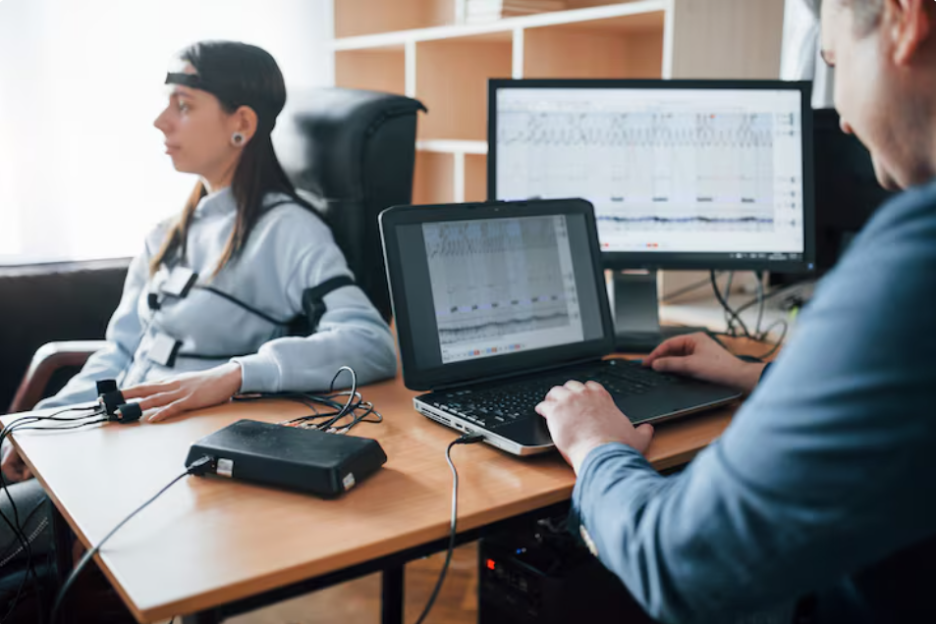
Immigration matters can involve questions about past events, personal history, or statements made during an application. When specific information is disputed, you may need a structured way to examine the claim and clarify the information being questioned.
A polygraph examination may address defined questions when they are suitable for the testing format, and the circumstances allow for testing. You should also consider the legal requirements that apply to your case. A polygraph result does not automatically determine how an immigration authority will evaluate or decide your matter.
7. Address Sex Offender Issues
Specific verification questions can arise in sex offender testing. An examination may address defined behaviors or events when they fall within an appropriate testing protocol. The purpose of the examination should be clearly established before testing begins so the questions remain focused on the issue being assessed.
Question quality is especially important in these examinations. Questions should be specific, direct, and suitable for the testing format. If the examination relates to supervision or treatment requirements, you should also confirm what the relevant authority or professional requires before proceeding.
8. Verify Government Contracting Statements

Government contracting can involve strict requirements related to compliance, conduct, and security. When a specific statement becomes disputed, a structured examination may be considered as part of the verification process.
The examination should remain focused on a clearly defined matter. Before scheduling, you should confirm whether the relevant agency or contract permits or recognizes polygraph testing. Requirements can vary, so checking them in advance can help you choose an appropriate course of action.
Conclusion
A lie detector test can be used as a structured verification tool when you need to examine a specific statement or disputed event. Relationship concerns, employment matters, theft claims, criminal defense, child abuse allegations, immigration issues, sex offender testing, and government contracting can all involve situations where focused verification may be considered.
Before scheduling an examination, clearly define the issue you want to address and choose a qualified examiner. Make sure the provider explains the questions, testing method, examination process, and reporting procedure. These steps can help you approach the examination with realistic expectations.


