
Hormones are chemical messengers that move through your blood and guide how your body works. They affect how you feel and how much energy you have, from your daily pep to your emotions.
These small signals come from many glands and tissues, then travel to organs and cells to give clear instructions. Learning how they work helps you better understand your health and day-to-day feelings.
From wake-up to bedtime, hormones shape your day. If you feel great one day and wiped out the next, your internal chemistry may be the reason. This article explains how hormones affect your mind and body, and how to build a more steady inner balance.
If you want help making sense of these shifting patterns, a dedicated cycle coach can offer personal guidance and tools.
What Are Hormones and Why Do They Matter?
Hormones are basically your body’s mail service. Special glands, organs, and tissues make them and release them into the blood. They then travel to target cells and bind to receptors, like a key fitting into a lock. Once the key fits, the cell carries out the task that message tells it to do.
Hormones keep you alive and healthy. They guide many body functions, such as:
- Metabolism (how your body turns food into energy)
- Balance of blood pressure, blood sugar, fluids, and temperature
- Growth and development
- Sexual function and reproduction
- Sleep-wake cycle
Even small shifts can cause big changes in how you feel and function, sometimes leading to symptoms that need medical care.
How Do Hormones Work in the Body?
Hormones communicate in two main ways. One gland can signal another to change its hormone output. For example, the pituitary tells the thyroid to release thyroid hormones, which then affect many systems. Hormones also act directly on target organs. For instance, the pancreas releases insulin, which helps muscles and the liver use glucose.
Most people think of the endocrine glands-hypothalamus, pituitary, pineal, thyroid, parathyroids, adrenals, pancreas, ovaries, and testes. But other tissues also send out hormone signals. These include body fat (adipose tissue), kidneys, liver, the gut, and the placenta during pregnancy. This shows how wide and connected this messaging network is.
Which Hormones Influence Mood and Energy Levels?
Many hormones shape how we feel and how energized we are. Dopamine, serotonin, endorphins, and oxytocin often get the spotlight for boosting happiness. But others also play big roles in mental and physical well-being. Knowing the main players helps you see the full picture.
| Hormone | Main role in mood/energy | When levels are off |
| Cortisol | Stress response, quick energy for emergencies | High long-term levels: anxiety, mood swings, brain fog, low focus |
| Serotonin | Calm, well-being, mood stability | Low levels: sadness, depression-like symptoms |
| Dopamine | Motivation, reward, movement | Imbalance: low drive, less pleasure |
| T3/T4 (Thyroid) | Metabolism, energy, mental speed | Too high: anxious, irritable; too low: tired, low mood, brain fog |
| Estrogen | Mood support, neuron protection | Drops or swings: low mood, irritability, anxiety |
| Progesterone | Calming effects (via allopregnanolone) | Shifts: mood changes, tension, fatigue |
| Testosterone | Vitality, drive, libido | Low levels: tired, low motivation, low mood |
| Melatonin | Sleep timing and quality | Poor sleep: fatigue, irritability, low mood |
Cortisol: The Stress Hormone’s Link to Mood Swings
Cortisol comes from the adrenal glands during stress. The hypothalamus tells the pituitary to release ACTH, which then prompts the adrenals to make cortisol. Cortisol raises blood sugar for quick energy so you can handle a threat. In short bursts, this helps you get through hard moments.
But long-term stress can upset this system. The normal “stop” signal to reduce cortisol can weaken. Then cortisol stays high, raising inflammation and harming neurons in the hippocampus, amygdala, and prefrontal cortex. This can lead to memory problems, poor focus, mood swings, irritability, and less control over negative emotions.
Serotonin and Dopamine: Impact on Happiness and Motivation
Serotonin and dopamine are well-known for their roles in mood and drive. Serotonin supports a steady, calm mood. Low serotonin has long been linked to depression, and many antidepressants boost it. Estrogen can also make serotonin receptors more responsive, showing how these signals influence each other.
Dopamine powers motivation, reward, and movement. Balanced dopamine supports focus and a sense of progress. When serotonin or dopamine are off, you can feel sad, lose interest, or lack motivation. Keeping these systems steady is very important for emotional health.
Thyroid Hormones: Regulating Energy and Mental Clarity
The thyroid in your neck makes T3 and T4. These hormones guide metabolism, heart rate, and body temperature. They also affect mental sharpness and mood.
Too much thyroid hormone (hyperthyroidism) can cause anxiety and irritability. Too little (hypothyroidism) often causes low mood, fatigue, and brain fog. Treating thyroid issues often eases these mental symptoms. T3 may also affect serotonin and dopamine levels or make their receptors more sensitive, which ties thyroid function to mood.
Estrogen and Progesterone: Effects on Emotional Well-being
In women, estrogen and progesterone shape emotional health. Estrogen often acts like a mood support in the brain. Higher levels, such as just before ovulation, can lift mood. Estrogen makes serotonin receptors more responsive, raises dopamine receptors, protects neurons, and supports new neuron growth in the hippocampus.
Progesterone also matters. Its byproduct, allopregnanolone, has calming effects. But swings in these hormones can trigger mood problems. The drop in estrogen and progesterone before a period can bring irritability, fatigue, sadness, and anxiety. Large shifts during pregnancy, after birth, and in menopause can raise the risk of depression and anxiety as the brain adjusts to new hormone levels.
Learning to recognize and work with these hormonal patterns can help you better manage your emotional wellbeing throughout your cycle. Platforms like Cyclical School provide education on understanding these natural fluctuations and developing strategies to support yourself through each phase.
By tuning into your body’s rhythms, you can anticipate changes and take proactive steps to maintain emotional balance.
Testosterone: Role in Vitality and Aggression
Testosterone is present in both men and women. It supports energy, drive, and mood. In men, levels fall slowly with age. Even small drops can change mood, lower libido, and cause fatigue or depression-like symptoms. This area is getting more study.
Testosterone can relate to assertiveness and, sometimes, aggression. Keeping levels in a healthy range helps both men and women feel steady and energized. Some research suggests that testosterone treatment, when used with certain antidepressants, may improve results for people with low testosterone.
Melatonin: Connection to Sleep, Mood, and Restfulness
Melatonin, made by the pineal gland, times your sleep. Darkness raises melatonin and prepares you for bed. A steady melatonin rhythm supports good sleep, which improves mood and energy. Irregular sleep, shift work, or screens before bed can disrupt this rhythm and lead to insomnia, fatigue, and irritability.
Melatonin also has antioxidant effects and may affect mood more broadly. Poor sleep can worsen anxiety and depression, creating a loop that is hard to break. Good sleep habits and a regular schedule can help your body make enough melatonin and support better mood and energy.
How Do Hormones Affect Mood and Emotional Health?
The tight link between hormones and emotions shows how finely tuned the body is. Hormones guide much more than physical systems; they also shape daily feelings and long-term mental health.
Mechanisms Linking Hormones and Brain Chemistry
Hormones affect mood by changing brain chemistry. They can shift how much of a neurotransmitter is made and released and how sensitive its receptors are in certain brain areas.
For example, estrogen can make serotonin receptors more responsive and increase dopamine receptors, which can boost feelings of calm and reward. This helps explain why changes in hormone levels can quickly change brain activity and how you feel.
Hormones also affect neuron growth and survival. Estrogen protects neurons and supports new neuron growth in the hippocampus, which is key for memory and emotion. Ongoing high cortisol can damage neurons in the hippocampus, amygdala, and prefrontal cortex, hurting memory, focus, and emotional control. Hormones can change both how the brain works and how it is built.
Why Hormonal Changes Lead to Anxiety or Depression
Large or long-lasting hormone shifts can upset brain balance. When that balance is off, the brain cannot work at its best. For example, sudden drops in estrogen and progesterone during parts of the menstrual cycle or in menopause can lower serotonin support and reduce neuron protection, raising the chance of sadness, irritability, and anxiety.
People vary in how sensitive they are to these shifts. One person may feel fine, while another has strong symptoms or PMDD. For many, the change from one level to another-more than the level itself-triggers problems. The brain adapts, but fast and frequent changes can cause trouble.
Mood Fluctuations During Menstrual Cycles, Pregnancy, and Menopause
Women see major hormone changes across life, which can affect mood. During the menstrual cycle, falling estrogen and progesterone before a period can cause irritability, fatigue, sadness, and anxiety. Some develop PMDD, with severe mood swings and, at times, suicidal thoughts.
Pregnancy and the weeks after birth are another big change. Right after delivery, estrogen and progesterone drop fast. This can cause the “baby blues” or postpartum depression, which affects up to 13% of new mothers. Perimenopause and menopause also bring wide swings in ovarian hormones and raise the risk of depression and anxiety. The loss of estrogen’s support may add to brain fog and memory lapses.
Hormone Imbalances in Men and Emotional Well-being
Men also feel the emotional effects of hormone changes. Testosterone falls slowly with age. Even small changes can lead to irritability, less drive, fatigue, and depression-like symptoms in some men. Experts note that this topic needs more attention.
Testosterone likely affects mood through its impact on neurotransmitters and neuron health. Seeing hormone shifts as part of men’s mental health helps build better care across all ages.
How Do Hormones Control Energy, Motivation, and Vitality?
Hormones set your daily energy pattern, drive, and stamina. They guide sleep, morning alertness, stress responses, and how quickly you bounce back.
Hormonal Rhythms and Daily Energy Patterns
Your body runs on rhythms that shape energy across the day. Melatonin guides sleep timing. A strong melatonin rise at night supports good rest. In the morning, cortisol rises to help you wake up and get moving. Together, these signals help you stay alert by day and wind down at night.
Irregular sleep, shift work, or chronic stress can disrupt these rhythms. When signals are out of sync, you may feel tired on waking, drag through the day, or feel wired at night.
Fatigue, Burnout, and Hormonal Dysregulation
Ongoing fatigue and burnout often point to hormone issues. With constant stress, the adrenals can churn out cortisol for too long. Over time, this can lead to worn-out stress systems, leaving you tired and drained. Other hormones can be affected too, creating a chain reaction.
Thyroid problems are another common reason for low energy. With low thyroid hormones, metabolism slows, causing deep tiredness and lack of drive. Even mild shifts can make you feel “off” and turn simple tasks into heavy lifts.
Exercise, Sleep, and Diet: Their Influence on Hormones
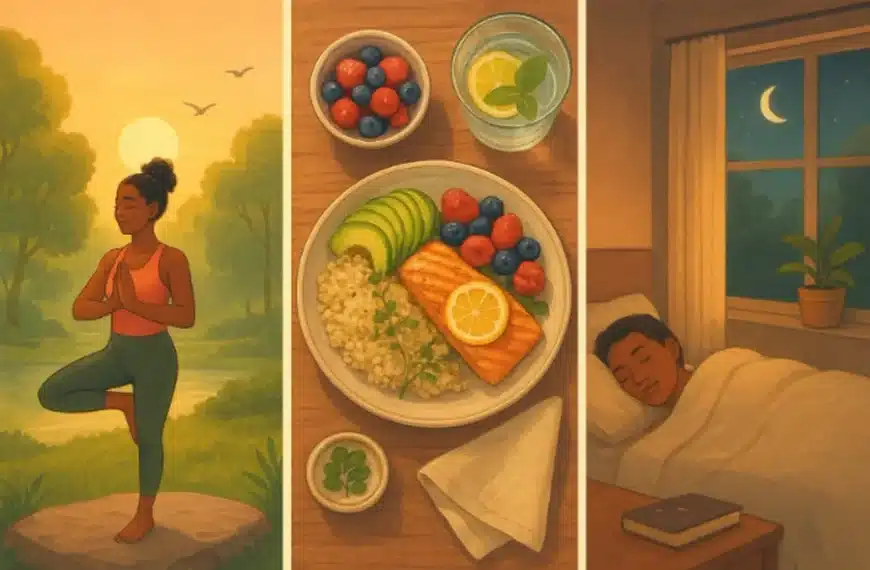
The upside: daily habits can help steady hormones. Regular exercise is “number one” for mood and anxiety tied to hormones, says Dr. Hermann. Activity helps lower stress, boosts endorphins, serotonin, and dopamine, and improves insulin sensitivity. It also supports better sleep.
Good sleep matters for hormone balance. During sleep, the body repairs, balances hormones, and files memories. Poor sleep can disrupt cortisol timing, reduce insulin sensitivity, and affect growth and sex hormones, all of which lower energy and mood. A nutrient-rich diet supports hormone building blocks and brain function.
Whole foods, protein, fruits, and vegetables help blood sugar stay steady and provide key nutrients like folate and B12 that the brain uses quickly during hormone shifts.
Chronic Stress: Impact on Hormonal Energy Balance
Long-term stress keeps the body stuck in “fight or flight” through the HPA axis, raising cortisol for too long. This can harm neurons in the hippocampus, weaken memory, and make it harder to calm the stress response. Energy drops, focus fades, and decisions feel harder.
Long-term stress can also lower thyroid output and affect sex hormones, which drags down energy and mood. Mindfulness, relaxation, and strong social support can help lower cortisol and bring hormones back toward balance, lifting energy and drive.
What Factors Cause Hormonal Imbalances?
Many things can push hormones out of balance. Often, more than one factor is involved, including genetics, medical issues, daily habits, environment, and normal life changes.
Genetic and Medical Conditions Affecting Hormones
Some imbalances come from genes or medical conditions. Inherited changes can affect how glands are built or how they work. Autoimmune diseases can attack glands and lower hormone output. Hashimoto’s thyroiditis, for example, is a common cause of low thyroid hormones.
Injury to a gland can change hormone levels. Tumors or growths can make glands release too much or too little. PCOS is a complex condition with a strong genetic link. It can cause irregular periods, infertility, and mood and energy problems.
Lifestyle, Stress, and Environmental Influences
Daily choices also matter. Diet, movement, and sleep shape hormone levels and receptor sensitivity. A diet high in sugar and processed food can raise inflammation and insulin resistance, which can spill over to other hormones. Low activity reduces metabolism support. Poor sleep disrupts melatonin and cortisol timing.
Chronic stress is a major trigger for wide hormone changes, affecting energy, mood, reproductive hormones, and thyroid function. Chemicals in plastics, pesticides, and some personal care products can act like hormones or block them, which may add to imbalances.
Medications, Aging, and Major Life Changes
Some medicines affect hormones on purpose (like birth control or hormone therapy) or as a side effect. They can help in many cases, but may also cause new symptoms for some people. For instance, hormonal birth control can ease PMDD for some and worsen it for others.
Aging brings normal hormone changes. In women, puberty, pregnancy, the weeks after birth, and menopause bring large shifts in estrogen and progesterone, which can affect mood and energy. Men see a slow drop in testosterone over time. These normal changes can still be uncomfortable and may need support to manage well.
Common Disorders: Hypothyroidism, PCOS, and More
Several common conditions are tied to hormone shifts. Thyroid disease (low or high thyroid hormones) can cause fatigue, mood changes, anxiety, and weight changes. PCOS often brings irregular periods, ovarian cysts, and challenges with fertility, mood, and energy.
Diabetes (Type 1, Type 2, and gestational) involves insulin problems and affects blood sugar control and energy. Low testosterone in men and obesity also have strong hormone links.
What Are the Signs and Symptoms of Hormonal Imbalances?
Because hormones touch so many systems, signs can be wide-ranging. Many people say they feel “off” or “not themselves.” Two common groups of symptoms are listed below.
Mood Swings and Emotional Instability
- Irritability and sudden sadness
- Higher anxiety or panic
- Depressive episodes or low resilience
- Worse mood before periods, during pregnancy/postpartum, or in menopause
These shifts have a clear basis in brain chemistry. Hormone changes affect neurotransmitters and neurons, which can magnify emotional reactions and make mood less steady.
Persistent Fatigue and Low Motivation
- Tired even after sleep
- Sluggish thinking and brain fog
- Low drive and poor stamina
- Feeling worn out by daily tasks
Low thyroid hormones are a classic cause. Long-term stress and high cortisol can also drain energy. In men, low testosterone may show up as low drive and tiredness.
How Are Hormonal Issues Diagnosed and Treated?
If you think your hormones are off, there are clear steps to find answers and get help. This usually involves a medical visit, testing, and a plan that fits your needs.
When to Seek Medical Advice for Mood or Energy Problems
Seek care if mood or energy problems are hurting your life. Dr. Hermann suggests asking: Is it making sleep or eating hard? Is it hurting focus, memory, work, or daily tasks? Is it affecting relationships? If yes, or if symptoms keep going, talk with a healthcare professional. Also, any suicidal thoughts or feelings need immediate medical help.
Many think nothing can help hormone-driven symptoms, but that is a myth. A visit with your doctor is the first step to learn what’s going on and build a plan. Your provider can check if hormones are involved or if something else is causing the problem.
Diagnostic Tools: Blood Tests, Hormone Panels, and Physical Exams
Diagnosis usually uses a full approach. A physical exam looks for signs of imbalance. Lab tests often do the heavy lifting. Blood work can check thyroid hormones (T3, T4, TSH), sex hormones (estrogen, progesterone, testosterone), cortisol, and others based on your symptoms.
One test may not tell the whole story, since levels change over the day and across life stages. Your provider will match results with your symptoms and history. Sometimes you need repeat tests or more specific testing to get a clear picture.
Treatment Options: Medication, Lifestyle Changes, and Therapy
Treatment should fit the person-“there’s no right prescription for everybody,” says Dr. Katz. First, find the source of the problem. Some people need medicine, such as hormone therapy for menopause symptoms, thyroid medication for hypothyroidism, or other targeted drugs. Brexanolone, which acts like allopregnanolone, can help with postpartum depression.
Daily habits also matter a lot. A nutritious diet, regular exercise, and stress reduction support steadier hormones. Exercise is highly recommended for mood and anxiety linked to hormones. Therapy can help you manage the emotional load and build coping skills. Often, the best results come from combining these steps in a personal plan.
What Strategies Help Balance Hormones for Better Mood and Energy?
Medical treatment can help, but many actions at home also support hormone balance and steady energy. Focus on the basics.
Benefits of Diet and Regular Exercise
Food and movement are powerful tools. Aim for whole foods, protein, healthy fats, and plenty of fruits and vegetables. Limit sugar and refined carbs to keep blood sugar stable and support insulin sensitivity. The brain also needs key nutrients like folate and B12, which it uses quickly during hormone shifts.
Regular exercise helps lower stress, improves insulin sensitivity, and releases endorphins. It can ease anxiety and depression tied to hormone changes. Dr. Katz also points out benefits for bone health. Mix cardio and strength training for the best effect.
Managing Stress to Support Hormonal Health
Chronic stress keeps hormones off balance. Stress management helps calm the nervous system and lower cortisol. Helpful tools include:
- Mindfulness or meditation
- Deep breathing or yoga
- Time in nature and hobbies
- Strong social support and healthy boundaries
Lower stress makes hormone systems work more smoothly, bringing more stable mood and energy.
Supplements, Herbal Remedies, and Emerging Treatments
Some people benefit from supplements or herbs, but talk with a healthcare professional first. Many are not needed unless you have a known deficiency, and some can cause side effects. For example, 5-HTP may help mood but has risks for some people.
New treatments are also being developed in hormone health. Brexanolone for postpartum depression is one example. Research is working toward more targeted care. Because hormone systems are complex, personal guidance is important when you test any new treatment.
Key Takeaways: Hormones’ Role in Mood and Energy
Hormones do more than run body systems-they shape mood, energy, and day-to-day drive. These tiny messengers set the tone for how you feel and function. Understanding them helps you take an active role in your health.
Hormones work together, not in isolation. Cortisol, serotonin, dopamine, thyroid hormones, estrogen, progesterone, and testosterone all interact and affect your daily experience. When stress, daily habits, or normal life changes shift this balance, you may notice mood swings, low energy, or a general sense of feeling “off.” Noticing these links is the first step to finding better balance inside your body.


