
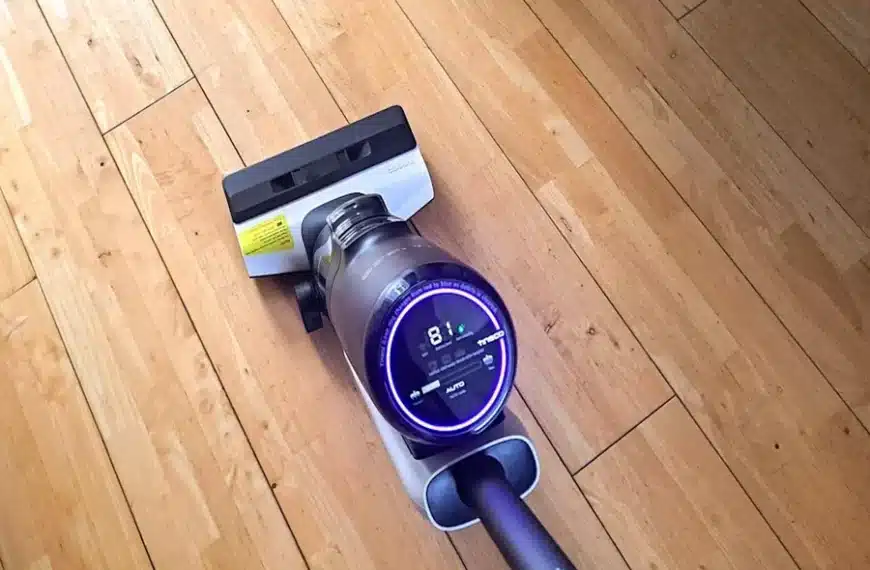
Hardwood, laminate, and tile floors look fantastic when they are perfectly clean. The problem is that they rarely stay that way for more than a few hours. Unlike carpet, which hides dirt deep within its fibers, hard floors display every single piece of pet hair, muddy footprint, and spilled drop of coffee. For decades, the standard response was a two-step chore: sweep or vacuum the loose debris, then fill up a bucket and drag a wet mop across the surface.
That old method isn’t just exhausting; it’s largely ineffective. Traditional string and sponge mops end up pushing dirty water around the room rather than removing it. Today, the approach to floor care has completely shifted toward machines capable of handling wet and dry messes simultaneously. Understanding the engineering behind these devices can help you streamline your cleaning routine. For example, Bobsweep Maxim shows how modern floor-cleaning technology is evolving beyond basic automation, combining hands-free cleaning with a stronger focus on keeping user data private.
How Modern Floor Cleaners Handle Wet and Dry Messes
The core innovation in modern floor care is the elimination of the “sweep first, wash second” rule. To pull this off, the challenge was straightforward: how to handle dust and liquid at the same time without damaging the motor.
The solution comes down to smart airflow design and dual-tank systems. Instead of sending debris and moisture through the main motor like traditional vacuums, these machines separate the process to keep the motor protected. Clean water is deployed onto a spinning brush or mopping pad, the mechanical action scrubs the floor, and a powerful suction channel pulls the resulting dirty slurry into a completely isolated waste tank. The motor stays dry, and the floor gets clean.
Deciding how to implement this technology in your own home usually comes down to a choice between automation and raw, active power.
Why Robot Cleaners Work for Daily Cleaning
If your goal is to never think about your floors again, automation is the route to take. Setting up a vacuum and mop robot changes the fundamental strategy of home cleaning. Instead of waiting for the floors to get visibly dirty and then spending an hour cleaning them, you run the robot every single day to maintain a constant baseline of cleanliness.
Modern automated cleaners are packed with sophisticated hardware that allows them to navigate complex home layouts.
- LiDAR Navigation: Similar to the technology used in self-driving cars, a spinning laser on top of the machine maps your home in real-time, working perfectly even in pitch-black rooms.
- Structured Light and RGB Cameras: These front-facing sensors identify specific obstacles. Instead of plowing into a stray phone charger or a pet’s water bowl, the machine recognizes the object and alters its path.
- Ultrasonic Carpet Detection: When transitioning from hard floors to rugs, ultrasonic sensors detect the change in texture. The machine will either lift its mopping pads into the air to avoid getting the rug wet or turn around completely, depending on your settings.
- Sonic Mopping vs. Spinning Pads: Older automated cleaners just dragged a wet cloth. Current models use either sonic vibration (scrubbing up to 3,000 times a minute) or dual spinning microfiber pads that apply active downward pressure to remove dried-on stains.
The true magic of this approach is the base station. The most advanced setups will automatically empty the dustbin into a sealed bag, wash the dirty mopping pads with hot water, and dry them with warm air to prevent mold and odors. You only need to interact with the machine once every few weeks.
When You Need a Wet Dry Vac Instead
Automation is brilliant for daily maintenance, but robots have limitations. If a toddler drops a bowl of cereal—complete with milk and soggy flakes—or a dog tracks thick mud through the kitchen, an automated machine will struggle. You need immediate, high-torque cleaning power.
This is where a wet dry vac becomes essential. These are upright, cordless machines designed to obliterate disastrous messes in seconds.
Anyone who cooks frequently understands the nightmare of dropping an egg on the floor. With paper towels, it usually just spreads the mess around. With a dual-action upright washer, you simply roll over the egg. The machine pulls the shell and the liquid into the dirty water tank while simultaneously washing the floor underneath it.
Key Engineering Specs to Look For:
- Brush Roll RPM: High-end models spin their microfiber rollers at 400 to 600 revolutions per minute, providing intense mechanical scrubbing that easily lifts dried sauce or sticky syrup.
- Edge-Cleaning Design: Look for machines where the brush roll extends all the way to the plastic housing on at least one side. This allows you to clean tightly against baseboards and kitchen cabinets.
- Two-Tank System: Clean water and cleaning solution sit in one tank, while dirty water and solid debris are locked away in another. You are constantly washing the floor with fresh water, unlike a traditional mop bucket that gets contaminated after the first dip.
- Forward Traction: Because these machines can be heavy (often weighing between 10 and 15 pounds), manufacturers design the motorized brush roll to pull the machine forward slightly. This makes the device feel weightless when in use.
Robot vs Wet Dry Vac: Key Differences
To figure out which one suits your home, it helps to compare how they perform in everyday situations.
| Feature | Automated Robots | Upright Washers |
| Best For | Daily maintenance, light dust, pet hair, surface smudges. | Deep cleaning, massive liquid spills, heavy mud, sticky food. |
| Time Investment | Near zero. Set a schedule and empty tanks weekly/monthly. | Moderate. Requires active manual operation, but cuts chore time in half compared to mops. |
| Stair Cleaning | Impossible. They can only handle single levels at a time. | Easy. Can be carried and operated on hard staircases. |
| Edge Cleaning | Good, but often leaves a tiny millimeter gap near walls. | Excellent, especially models with dual-edge brush roll designs. |
| Carpet Handling | Can vacuum low-pile rugs; lifts mop pads to avoid wetting them. | Strictly for hard floors. Should not be used on traditional carpets. |
Which Floors Work Best with Each Cleaner
Not all hard floors are created equal. You need to ensure the tech matches your home’s materials.
- Sealed Hardwood: Both machines are perfectly safe. However, water is the enemy of wood. Ensure your machine does not leave excessive standing water. Upright washers usually have excellent suction that leaves floors dry in under two minutes.
- Tile and Grout: Tile is practically indestructible, but grout lines are tricky. Upright machines with thick, fluffy brush rollers do a much better job of reaching down into the grout depressions than the flat pads of automated machines.
- Laminate and Luxury Vinyl Plank (LVP): These floors are durable but can warp if moisture seeps into the seams. Consistent, light passes with either machine work beautifully. Always use the manufacturer-recommended cleaning solution, as generic detergents can leave a hazy film on vinyl finishes.
How to Maintain Your Cleaning Devices
One thing people often overlook is that these machines need cleaning too. If you neglect machine maintenance, they will begin to smell like mildew.
For upright washers, the self-cleaning cycle is a massive time saver. Once you place the machine on its charging dock, pressing a button flushes the internal tubing and spins the brush roll at maximum speed to expel dirt. However, you still must physically remove the dirty water tank, dump it down the toilet or sink, and rinse the filter after every single use. Do not let dirty water sit in the tank overnight.
For automated machines, maintenance is less frequent but more involved. Once a month, you need to flip the robot over, cut away any hair tangled in the main vacuum roller, wipe off the cliff sensors with a microfiber cloth, and rinse the base station’s washboard where the mop pads are cleaned.
In most homes, it’s not about choosing one over the other. A robot can handle daily upkeep, while a wet dry vac takes care of bigger messes when they happen.


