
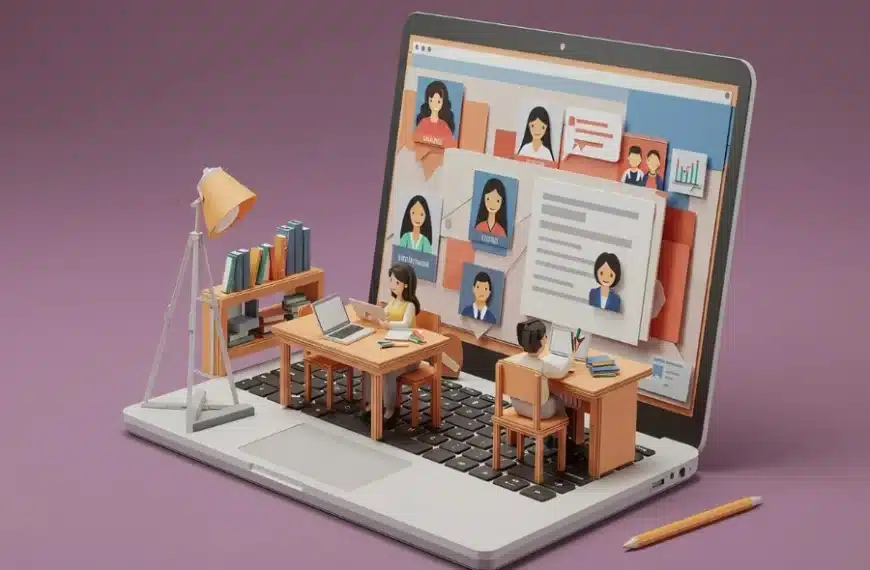
Think back to office birthdays. Someone would bring cake, pass around a card, and everyone scribbled their name between meetings. Simple, right? Well, those moments are basically extinct now. Remote work flipped the script on how teams connect, and frankly, plenty of companies are floundering to maintain genuine human interaction.
It’s not just firing off Slack messages, you need to craft experiences that resonate when your people are spread across different ZIP codes or even continents. This transformation has ignited something interesting in corporate recognition strategies, and what’s happening is actually pretty fascinating.
Why Traditional Recognition Falls Flat in Virtual Settings
Remote work exposed an engagement problem most executives completely missed. Get this: nearly half of America’s full-time employees can now do their jobs remotely at least some of the time. That’s massive. And this seismic shift revealed gaping holes in how organizations show appreciation.
Companies that pivoted fast saw culture and morale transform overnight, one platform documented over 2,000 kudos exchanged with 80%+ employee engagement in less than sixty days. When you nail digital recognition, the impact is undeniable.
The Loneliness Problem Nobody Talks About
Remote employees battle isolation that cuts deeper than missing water cooler gossip. Working from your kitchen table? Your contributions can feel invisible. A hasty “nice work” dropped in a Teams channel doesn’t pack the emotional punch of a physical card with ten coworkers’ signatures. That emotional gap widens daily without intentional connection points.
Where Generic Digital Messages Go Wrong
Here’s what happens, most remote team culture programs lean on boring, cookie-cutter messages that scream “checkbox exercise.” Timezone chaos makes real-time celebrations basically impossible. Generic emails? They’re missing the warmth that actually builds relationships. Your people can smell automated or half-hearted recognition from a mile away.
How Digital Cards Transform Team Dynamics
Modern Personalized ecards merge digital convenience with authentic personal touches in ways that genuinely work. These aren’t your grandmother’s e-greeting cards anymore, today’s platforms pack video messages, collaborative features where entire teams contribute, and AI-powered customization that creates something memorable and unique. The tech has evolved to capture what makes physical cards special while layering in capabilities that paper could never deliver.
The Science Behind Meaningful Recognition
Your brain dumps dopamine and oxytocin when you receive personalized appreciation, identical neurochemicals triggered by face-to-face recognition. Notice I said “personalized.” Generic templates fall flat. Studies confirm that customization multiplies emotional impact because it signals real effort and attention. People don’t forget how you made them feel, and a well-crafted ecard generates exactly that lasting impression.
What Makes Modern Ecards Actually Work
Today’s teams embrace ecards because they deliver features that physical cards simply can’t match. Embedded video greetings? Check. GIFs referencing obscure team inside jokes? Absolutely. Voice notes from colleagues in different hemispheres? Done. Mobile-responsive design means recipients enjoy these anywhere, anytime. Everyone can jump in without hunting down a card circulating through cubicles that no longer exist.
Building Real Culture Through Digital Appreciation
Authentic remote team culture doesn’t require grand theatrical gestures, it thrives on consistent, meaningful micro-moments.
Digital employee appreciation hits hardest when woven into everyday interactions rather than reserved for annual performance reviews. Spontaneous cards celebrating small victories often resonate more than elaborate milestone productions because they prove you’re genuinely paying attention.
Making Recognition a Daily Habit
Top-performing remote teams don’t wait for birthdays or anniversaries. They dispatch appreciation cards for completed projects, clever problem-solving, or simply supporting a teammate through a rough patch. This frequency builds psychological safety because everyone knows their work is visible and valued. Peer-to-peer recognition using ecards cultivates cultures where appreciation moves in every direction, not exclusively top-down.
Welcoming New Remote Employees
Online corporate greetings become critical during onboarding when new hires feel most exposed. A welcome ecard signed by twenty teammates helps newcomers feel connected before their first virtual standup. It dissolves the awkwardness of joining people you’ve only seen in profile pictures.
Rolling Out Ecards Without the Headaches
Implementing new platforms can feel overwhelming, but a methodical approach smooths adoption. Here’s context: 83% of organizations are planning more flexible work arrangements, and 68% of employees consider hybrid models ideal. Your recognition tools must accommodate diverse work setups.
Your First 90 Days
Launch with leadership using ecards exclusively for thirty days to demonstrate commitment. Month two introduces peer recognition with light gamification, think friendly leaderboards, definitely not cutthroat competition. By month three, integrate with your HRIS for automated milestone alerts. This gradual rollout prevents team overwhelm.
Connecting With Your Tech Stack
Modern virtual team building tools should integrate seamlessly with existing platforms. Seek Slack and Microsoft Teams plugins enabling card sends without workflow disruption. Calendar-synced reminders ensure birthdays and work anniversaries don’t vanish. Analytics dashboards let you monitor participation patterns and spot engagement trends.
Proving the Value
Measure participation rates, analyze message sentiment, and correlate with employee Net Promoter Scores. A/B test different formats, maybe your team prefers video cards over text-heavy ones. Quarterly culture audits reveal whether your ecard initiative genuinely improves connection and morale.
Advanced Features That Drive Engagement
AI is revolutionizing personalized recognition possibilities. Machine learning suggests content based on recipient history or engagement patterns. Natural language processing crafts messages with appropriate emotional tones. These aren’t gimmicks, they’re practical tools helping busy professionals create meaningful cards efficiently.
Making Cards Interactive and Fun
What’s ahead includes AR integration bringing cards alive onscreen, embedded mini-games, and collectible digital badges for milestones. Some platforms experiment with NFT certificates for major achievements. While Web3 applications remain emerging, they hint at exciting possibilities for making digital recognition feel tangible and collectible.
Video-First Personalization
Quick fifteen-second video messages carry exponentially more emotional weight than text alone. Asynchronous video lets teammates across timezones contribute to single cards. Certain platforms auto-compile these clips into montages recipients actually treasure. The technology makes this straightforward, not technically demanding.
Real Results From Real Companies
Tech startups prove you can scale culture through digital touchpoints. One 500-employee remote company maintains startup energy through consistent ecard adoption, saving $12,000 yearly versus traditional gift programs. Healthcare organizations deploy HIPAA-compliant platforms recognizing distributed frontline workers, hitting 85% participation despite brutal shift schedules.
Global Enterprise Success Stories
Fortune 500 firms manage consistency across 50+ countries using multi-language automation with regional adaptation. Success requires balancing brand consistency with cultural flexibility. Done correctly, global teams feel equally valued regardless of geography.
Tackling Implementation Challenges Head-On
Low participation typically stems from poor rollout execution, not inferior tools. Combat this with recognition ambassadors in each department, mobile notifications that don’t annoy, and challenge campaigns sparking friendly rivalry. Worried about the budget? Compare free versus paid platforms honestly, sometimes free tiers provide everything smaller teams need.
Getting Leadership Buy-In
Build executive presentations featuring ROI calculators demonstrating cost savings versus traditional recognition approaches.
Pilot programs with 5-10 participants generate success stories convincing risk-averse stakeholders. Training resources for less tech-comfortable employees ensure nobody gets left behind.
What’s Coming Next
The next five years bring metaverse workplace celebrations, holographic ecard displays, and biometric emotion recognition enabling personalized responses. Blockchain-verified appreciation records might even join professional portfolios. These technologies sound science fiction, but early adopters are testing them now.
Privacy and Compliance Considerations
GDPR and CCPA compliance in celebration data demands attention. Ensure platforms secure proper employee consent for data usage. Ethical AI guidelines for personalization protect both organizations and individuals as technology accelerates.
Why Early Adopters Win
Companies implementing ecard programs today gain recruitment advantages showcasing culture through shareable celebration moments. Glassdoor and LinkedIn ratings improve when candidates witness authentic appreciation. Retention data shows clear connections between recognition frequency and employee tenure, replacing someone costs dramatically more than robust ecard programs.
Performance Benefits
Recognition timing matters enormously. Research links timely appreciation to superior project outcomes and elevated innovation rates. Teams with strong recognition cultures consistently outperform because people feel motivated contributing their best efforts.
Your Action Plan Starts Now
Week one focuses on assessing current culture and evaluating platforms. Spend two weeks on vendor demonstrations and trials. Month one launches a contained pilot with your core team, establishing feedback mechanisms and capturing quick wins. By quarter one, you’re deploying company-wide with phased expansion and success story spotlights.
Making It Stick Long-Term
Define your distinctive culture objectives with values alignment exercises. Establish ecard governance frameworks, balancing brand guidelines with creative freedom. Avoid recognition fatigue through variety, seasonal campaigns, spontaneous celebrations, and milestone acknowledgments each serve different engagement purposes.
Moving Forward With Confidence
The evidence is crystal clear: leveraging Personalized ecards has evolved from novelty to necessity for sustaining remote team culture. The cost of inaction? Disengaged teams, accelerated turnover, and hemorrhaging productivity. Start small this week, dispatch one thoughtful ecard to someone deserving recognition. That single gesture could ignite the cultural transformation your remote workforce desperately needs. The future of work arrived, and it’s more connected than you imagine.
Your Ecard Questions Answered
How much do personalized ecard platforms actually cost?
Most platforms offer free tiers for smaller teams, with paid subscriptions ranging $5-20 per user monthly. Enterprise packages vary considerably. Calculate ROI by comparing costs against traditional recognition programs, you’ll likely save money while dramatically improving engagement and participation.
What makes personalized ecards different from regular digital cards?
The difference runs deeper than surface aesthetics. Personalized ecards enable collaborative input like messages, video clips, and photos from multiple teammates. Critical integrations with platforms like Slack and Teams, plus features like analytics tracking and AI-driven customization, separate these from generic alternatives lacking genuine team-building value.
How do we get remote employees to actually participate?
Model behavior through leadership, deploy gentle push notifications, establish recognition ambassador roles, connect participation to culture initiatives (never compensation), ensure mobile-friendliness, celebrate early adopters publicly, and keep the process absurdly simple, three clicks maximum to contribute.


