
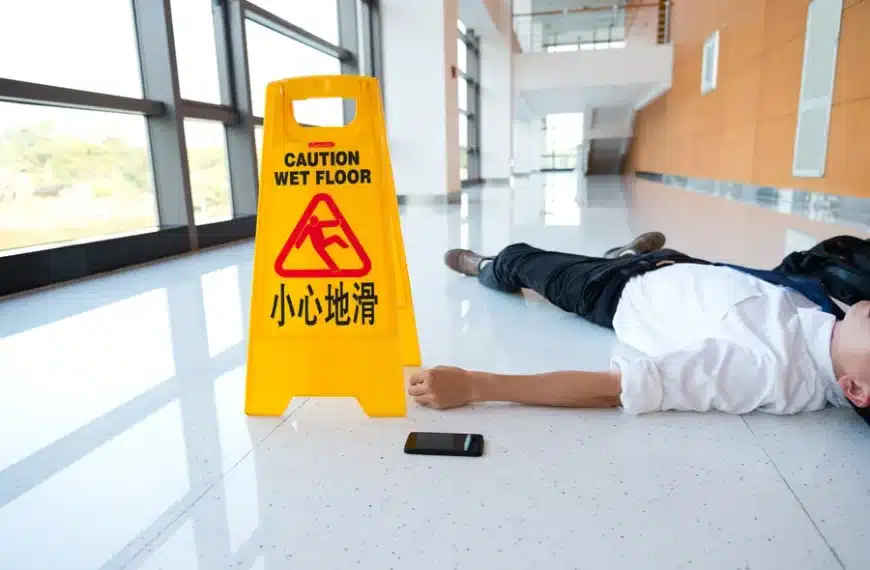
Injuries in public spaces happen more often than we might think. From slipping on a wet floor in a shopping centre to tripping over a cracked footpath, these accidents can lead to serious injuries and significant financial burden. If you’ve been injured in a public space, you may be entitled to compensation through Prime Injury Lawyers (primeinjurylawyers.com.au). But when exactly can you make a public liability claim in Australia?
Key Takeaways
- Valid public liability claims require proving someone else’s negligence caused your injury
- You generally have 3 years from the date of injury to make a claim in Australia
- Proper documentation and evidence collection immediately after the incident greatly strengthen your case
- Compensation can cover medical expenses, lost income, pain and suffering
- Different parties may be liable depending on where your injury occurred
What public liability means in Australia
Public liability refers to the legal responsibility that property owners and occupiers have to provide a safe environment for visitors. This area of law allows injured people to seek compensation when someone else’s negligence causes harm.
In Australia, public liability claims are governed by civil liability legislation which varies slightly between states and territories. These laws establish the principles of negligence and duty of care that apply when determining if someone is liable for injuries in public spaces.
The core principle remains consistent across jurisdictions: those who control spaces accessible to the public must take reasonable steps to prevent foreseeable harm.
When a public liability claim may be possible
To make a successful public liability claim, four key legal elements must be established:
Duty of care: The person or organisation responsible for the space owed you a duty to take reasonable care for your safety.
Breach of duty: They failed to meet this standard of care by action or omission.
Causation: This breach directly caused your injury.
Damages: You suffered actual harm (physical, psychological, financial) as a result.
These elements apply whether your injury occurred in a park, on a footpath, in a retail store or at a public event. Common scenarios that typically meet these tests include slips on unmarked wet surfaces, trips over unidentified hazards, falls due to inadequate barriers, dog attacks where animals weren’t properly controlled, and injuries from poorly maintained structures.
“The success of a public liability claim often hinges on proving that the responsible party knew or should have known about the hazard but failed to take appropriate action.” – Prime Injury Lawyers
Common public-space incidents and scenarios
Public liability claims arise from various common incidents:
Slips and trips: These often happen on wet floors without warning signs, uneven pavement, or poorly maintained walkways.
Falls: Inadequate handrails on stairs, broken steps, or unsafe playground equipment can cause serious injuries.
Event injuries: Poor crowd management, inadequate security, or facility defects at concerts, sporting events, or festivals.
Animal incidents: Dog attacks in parks or public areas where owners failed to control their pets.
Transport accidents: Injuries on buses, trains, or in stations due to operational negligence rather than traffic accidents.
Who can be held liable?
Liability for public space injuries may rest with different parties depending on where and how the incident occurred:
Government bodies: Local councils or state authorities responsible for maintaining roads, footpaths, parks, and public buildings.
Private property owners: Shopping centres, supermarkets, restaurants, and private venues have obligations to customers and visitors.
Event organisers: Companies or individuals running events must ensure proper safety measures are in place.
Manufacturers: When defective products or equipment contribute to an injury, the manufacturer may share liability.
Evidence and documentation to support a claim
Collecting proper evidence is critical for a successful claim. This should include:
- Photos and videos of the accident scene, hazard, and your injuries
- Contact details of witnesses
- Incident reports filed with the venue or authority
- Medical records documenting your injuries and treatment
- Records of expenses and financial losses related to the injury
- Any correspondence with the responsible party
Time limits and notice requirements
Australia has strict time limits for public liability claims. Generally, you have three years from the date of injury to initiate legal proceedings, though this varies by state and territory.
Some claims, particularly those against government bodies, may require formal notification within as little as 28 days or six months. Missing these deadlines can severely impact your ability to claim compensation, so acting promptly is essential.
Step-by-step: how to make a claim
If you’re injured in a public space:
- Seek medical attention immediately and follow all treatment advice
- Report the incident to the property owner, manager, or relevant authority
- Gather evidence at the scene before conditions change
- Keep detailed records of all medical treatments and expenses
- Consult a personal injury lawyer experienced in public liability claims
- If appropriate, lodge a claim with the responsible party’s insurer
- Negotiate a settlement or proceed to court if necessary
What compensation can cover
Compensation in public liability claims may include:
Medical expenses: Both immediate and ongoing treatment costs
Income loss: Compensation for time off work and potential future earnings impact
Pain and suffering: Non-economic damages for physical and psychological impacts
Care and assistance: Costs of help needed with daily activities
Home and vehicle modifications: If required due to permanent disability
Common defences and barriers to recovery
Be aware that responsible parties may raise defences such as:
Contributory negligence: Claiming you were partly responsible for your injury
Obvious risk: Arguing the hazard was apparent and you should have avoided it
Voluntary assumption of risk: Suggesting you knowingly accepted the danger
Statutory immunity: Some government bodies have limited liability in certain circumstances
Practical tips for people injured in a public space
To strengthen your claim:
Document everything: Take photos before leaving the scene if possible
Get witness information: Names and contact details are valuable
Keep a journal: Record symptoms, limitations, and how the injury affects your life
Be careful with social media: Posts can be used to challenge your claim
Follow medical advice: Attend all appointments and complete recommended treatments
Frequently asked questions
Can I claim for a minor injury?
Yes, but compensation typically relates to the impact on your life, so minor injuries with minimal effects may result in smaller settlements.
How long do I have to start a claim?
Generally, three years from the date of injury, but this varies by state and type of claim.
Do I need a lawyer?
While not mandatory, professional legal advice significantly improves your chances of success and fair compensation.
Will claiming affect my relationship with local authorities?
Public bodies have insurance for these situations, and claims are handled professionally without personal repercussions.
Final thoughts on public liability claims
When an injury occurs in a public space due to someone else’s negligence, you have legal rights to seek compensation. Understanding the requirements for a valid claim and acting quickly to preserve evidence are key factors in achieving a successful outcome. Each case is unique, with specific circumstances determining liability and compensation amounts.
If you’ve been injured in a public space, Prime Injury Lawyers can provide expert guidance on your specific situation and help you navigate the claims process with confidence. Remember that seeking early legal advice can make a substantial difference to your claim’s success and the compensation you receive.


