
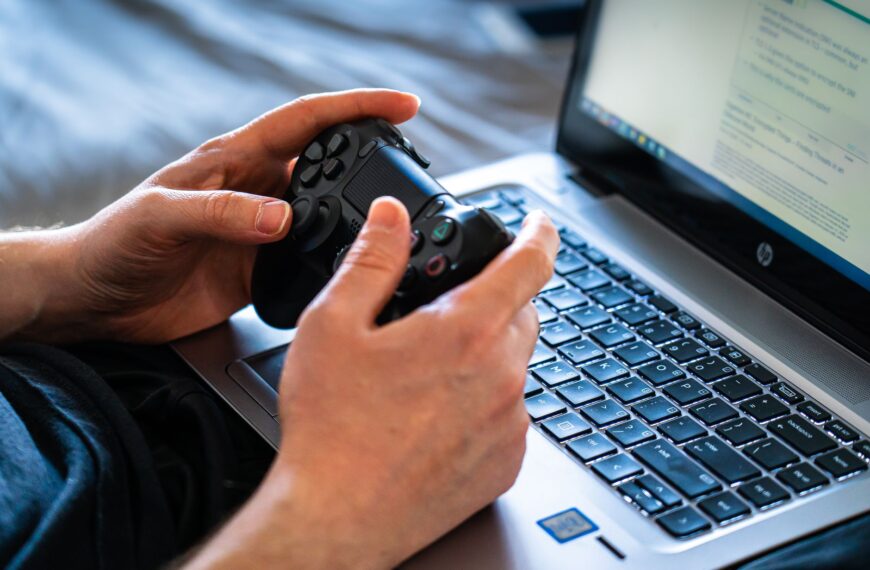
Digital entertainment is often described as solitary, but that picture is increasingly outdated. Many online games are social spaces as much as they are games. Players talk, cooperate, compete, form teams, build communities, and return to the same groups over long periods of time.
A Shared Activity Makes Conversation Easier
One reason games can support connection is simple: they give people something to do together.
Meeting someone purely to “talk” can sometimes feel demanding, particularly when people are tired or do not know each other well. A shared game reduces that pressure. Attention can move naturally between conversation and the activity itself.
This is similar to many offline social situations. People talk while cooking, watching sports, playing cards, walking, or working on a hobby. The activity provides a common reference point and prevents every moment from depending on conversation.
Online games recreate that dynamic digitally. Players can discuss what is happening, joke about mistakes, plan their next move, or simply spend time together while focused on the same objective.
Cooperation Creates Natural Teamwork
Cooperative games add another layer by giving players a reason to coordinate. One participant may notice something another missed. Someone may take responsibility for planning while another reacts quickly during difficult moments.
This creates small forms of teamwork. Players communicate priorities, divide tasks, and adapt to one another’s habits.
The stakes are usually low compared with professional teamwork, which is part of the appeal. People can practice coordination in an environment where failure generally means trying again rather than explaining the quarterly numbers to a room full of disappointed executives.
Over time, regular teammates learn how one another think. They know who tends to take risks, who stays calm, who plans ahead, and who needs three reminders before following the plan. Familiarity can turn repeated sessions into a genuine social routine.
Competition Can Be Social Too
Cooperation is not the only path to connection. Friendly competition can also be highly social.
Competitive games give people a clear framework for testing skill against each other. The result creates conversation, stories, rematches, and often a long-running sense of rivalry.
Importantly, competition works best when participants share similar expectations. A casual player looking for entertainment may not enjoy facing someone treating every match as a professional qualification exam. Good matchmaking, clear game formats, and communities with shared norms can make competition much more enjoyable.
Online Communities Can Extend Beyond the Game
Many gaming relationships continue outside individual sessions. Players form groups in messaging apps, join forums, share strategies, organize events, or simply keep in touch.
This is one reason gaming communities can become durable. The game provides the initial connection, but the relationship may gradually become less dependent on it.
The technology behind online gaming has also become broader and more accessible. Platforms increasingly combine multiple experiences, social features, account systems, and community tools. Anyone interested in how such digital ecosystems are structured can find examples through the Evenbeter webiste, where gaming technology and platform solutions are presented in a business context.
The important point is not the technology itself but what it enables: repeated interaction. Relationships are rarely created by one dramatic moment. More often, they develop through small contacts that happen regularly.
Distance Matters Less Online
Online games are particularly useful for maintaining relationships across distance.
Friends who move to different cities may struggle to organize frequent in-person meetings. Families can become distributed across countries. Work and study schedules make long calls difficult to arrange.
A regular gaming session can solve part of this problem by creating a recurring social appointment with a built-in activity. Instead of asking what to talk about every week, people simply meet inside a familiar shared environment.
This can be especially valuable for friendships that originally formed around hobbies. The online version preserves the activity even when geography changes.
Different Games Create Different Social Experiences
Not every multiplayer game encourages the same kind of interaction.
Cooperative games may reward communication and mutual support. Competitive games create rivalry. Social simulation games can emphasize creativity and community. Strategy games often encourage longer conversations about planning and decision-making.
Some games involve constant voice communication, while others allow players to participate quietly. This range matters because people differ in how they prefer to socialize.
Someone who dislikes large group conversations may enjoy cooperating with one or two other players. Another person may prefer large communities, tournaments, or public events. Digital spaces make it possible to choose among many different social settings.
Healthy Boundaries Still Apply
The fact that games can support social connection does not mean every gaming community is healthy.
Online spaces can include harassment, excessive competitiveness, exclusion, and pressure to remain active. Players should be willing to leave communities that consistently make leisure less enjoyable.
Time boundaries matter too. A social obligation inside a game can still become an obligation. If someone feels unable to stop because teammates expect constant availability, the activity may no longer be serving its original purpose.
Healthy gaming communities generally allow people to participate without making the game the center of their entire social life.
Connection Through Repetition
The social power of online games comes largely from repetition. People meet, play, talk, and come back again. Over time, those small interactions create familiarity.
The same pattern exists in many offline communities. People become friends because they repeatedly attend the same class, sports club, workplace, or local café. Online games simply provide another environment where repeated contact can happen.
Their value is not that they replace traditional social life. It is that they add another way to maintain relationships and create new ones.
At their best, online games give people a reason to show up, an activity to share, and enough structure for conversation to happen naturally. In a world where friends and families are increasingly spread across different places, that can be a surprisingly useful form of connection.


