
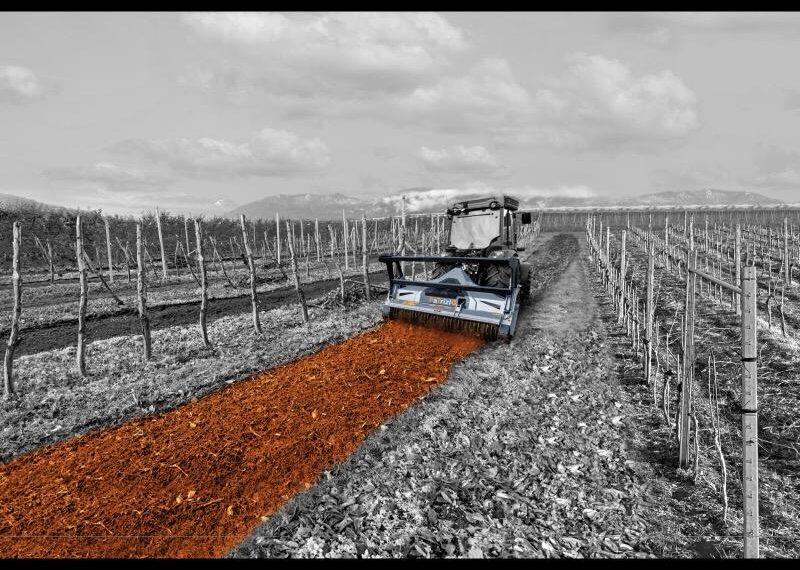
Forestry mulcher performance is often associated with power, but achieving efficient and consistent results depends on a combination of factors rather than a single specification. From vegetation characteristics to operating conditions, every element of the mulching process influences productivity, material processing quality, and overall efficiency in the field.
Understanding what affects performance is essential for professionals working in forestry, agriculture, infrastructure maintenance, and land management. By evaluating the entire operating environment instead of focusing on individual machine features alone, it becomes easier to optimize workflows, reduce downtime, and achieve reliable results across a wide range of applications.
Material characteristics: why vegetation type makes a difference
Not all vegetation presents the same challenges during mulching operations. Factors such as wood diameter, density, moisture content, and species directly influence cutting efficiency, material flow, and the overall workload placed on the machine. Processing small shrubs requires a different approach than handling mature trees, dense undergrowth, or large woody debris.
The condition of the material also plays an important role. Freshly cut or green vegetation often behaves differently from dry or dead wood, while intertwined branches and irregular growth can affect the consistency of material feeding. Assessing these characteristics before starting a project helps operators select the most suitable configuration and adopt working practices that maintain productivity throughout the job.
Carrier specifications: matching power to forestry mulcher performance
The performance of forestry mulchers is closely linked to the capabilities of the carrier. Engine horsepower, hydraulic flow, operating weight, and machine stability all contribute to how efficiently the mulcher can process vegetation under different working conditions. Even a well-designed attachment may struggle to deliver consistent results if the carrier does not provide the power or hydraulic capacity required for the application.
Matching the carrier to the expected workload is therefore essential. Jobs involving dense vegetation, larger wood diameters, or extended operating hours place greater demands on both the attachment and the machine supporting it. A properly balanced combination helps maintain steady rotor speed, improves material processing, and reduces unnecessary stress on the equipment.
Rotor configuration and cutting tools
Rotor design plays a fundamental role in determining how efficiently woody material is processed. Different configurations are engineered to handle specific operating conditions, balancing cutting performance, material fragmentation, and resistance to wear. The choice of cutting tools is equally important, as it influences the machine's ability to tackle everything from light vegetation to dense brush and larger pieces of wood.
Fixed teeth are typically preferred for demanding applications that require aggressive cutting action and high durability, particularly in challenging environments. Swinging hammers, on the other hand, offer greater flexibility when processing lighter vegetation or working in conditions where impacts with hidden obstacles may occur.
Ground conditions and operating technique
Field conditions can significantly influence the effectiveness of mulching operations. Uneven terrain, rocky surfaces, steep slopes, and soft or waterlogged ground all affect machine stability, traction, and the ability to maintain consistent contact with the vegetation. These variables often require operators to adjust their working approach to ensure both productivity and safe operation.
Operator technique is equally important. Travel speed, feeding rate, and the ability to adapt to changing site conditions all contribute to the quality of the result. Maintaining a steady working pace rather than pushing the machine beyond its optimal operating range helps achieve more uniform material processing while reducing unnecessary stress on the attachment and the carrier.
Maintenance: a key factor in long-term performance
Consistent performance depends not only on operating conditions but also on regular maintenance. Over time, normal wear affects cutting tools, rotor balance, and other critical components, gradually reducing efficiency and increasing the effort required to process vegetation. Routine inspections help identify potential issues before they impact productivity or lead to unexpected downtime.
Keeping the equipment in optimal condition also contributes to more consistent material processing and smoother operation throughout demanding jobs. Activities such as checking the condition of cutting tools, monitoring moving components, and following the recommended maintenance schedule help preserve performance over time.
Achieving consistent results in forestry mulching
Achieving consistent results in forestry mulching requires looking beyond individual machine specifications. Material characteristics, carrier capabilities, rotor configuration, operating conditions, and regular maintenance all contribute to overall performance. Considering these factors as part of a single operating system allows professionals to improve productivity, optimize resource utilization, and deliver reliable results across a wide range of applications.
Designed for productivity: FAE forestry mulchers for modern land management
Founded in 1989, FAE has grown into a globally recognized manufacturer of heads for tractors, excavators, skid steers, tracked carriers, and special vehicles. Backed by more than three decades of experience, the company develops equipment for a wide variety of applications, including forestry, agriculture, road construction, and demining, combining extensive engineering expertise with continuous product development.
The company's portfolio includes more than 400 models across over 90 product lines, with forestry mulchers representing one of its flagship categories. Designed for intensive professional use, these machines feature reinforced structures, wear-resistant materials, and heavy-duty components that help ensure dependable operation and long-term durability.
FAE forestry mulchers are built to efficiently shred wood, branches, stumps, roots, and brush with diameters of up to 20 inches, delivering consistent material processing even in demanding terrain and challenging conditions.
Engineered to withstand continuous operation, they combine durability, stability, and high productivity with the flexibility to work with different carrier types and configurations. This versatility allows professionals to tackle a broad range of vegetation management tasks with confidence.
Driven by ongoing investment in research and innovation, together with decades of practical field experience, FAE continues to strengthen its position as a global reference point for high-performance vegetation management equipment.


