
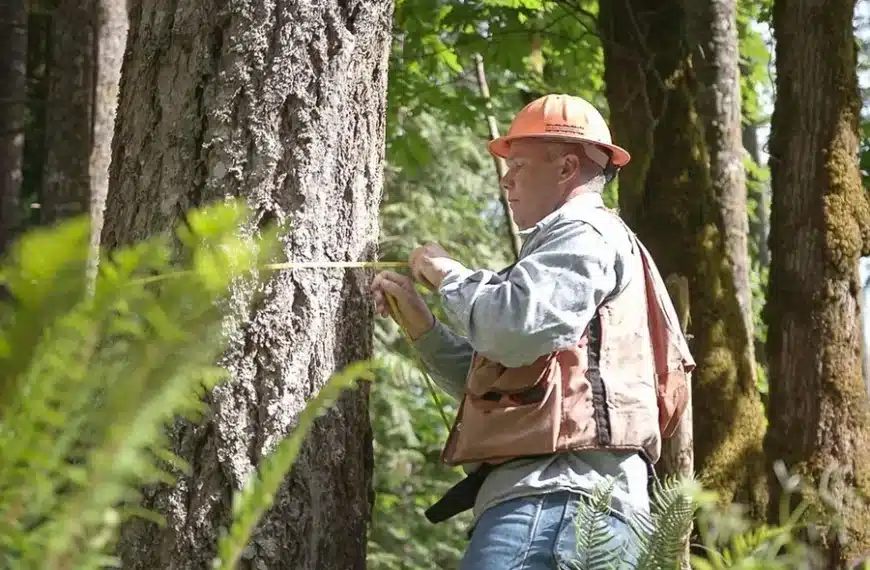
Sustainable land management is essential to balancing environmental conservation with economic opportunity. In New South Wales (NSW), landholders engaged in timber production must follow the private native forestry codes of practice, a set of regulations designed to ensure that forestry operations protect biodiversity, water quality, and soil health while supporting responsible resource use. Understanding and complying with these codes is vital not only for meeting legal obligations but also for maintaining the long-term productivity and ecological balance of private land.
What Are the Private Native Forestry Codes of Practice?
The private native forestry codes of practice (PNF Codes) are legally binding standards developed by the NSW Government to regulate how landholders can harvest native forests on their private property. These codes outline the rules for planning, conducting, and monitoring forestry activities to ensure that operations are environmentally sustainable.
They cover key areas such as:
- Harvesting limits to prevent overcutting and preserve forest structure
- Protection of threatened species and their habitats
- Soil and water management to reduce erosion and sedimentation
- Reforestation requirements to encourage natural regrowth after logging
- Road construction and maintenance standards to minimize environmental impact
By adhering to these codes, landholders help protect vital ecosystems while ensuring that forestry remains a viable long-term enterprise.
Why Compliance Matters
Compliance with the PNF Codes is more than just a legal requirement—it’s a commitment to sustainability. Non-compliance can lead to severe penalties, environmental degradation, and loss of land-use rights. More importantly, operating within the guidelines strengthens a property’s ecological resilience, enhances its long-term value, and contributes to NSW’s broader conservation goals.
From an environmental perspective, the codes help maintain soil fertility, safeguard waterways, and promote biodiversity. Economically, they support sustainable timber production, allowing landholders to continue deriving income from forest resources without compromising future yields. For communities, compliance ensures that native forests remain healthy, beautiful, and beneficial for generations to come.
Steps to Ensure Compliance
Adhering to the private native forestry codes of practice begins with understanding your obligations as a landholder or operator. Here are key steps to stay compliant:
- Obtain a Private Native Forestry Plan:
Before conducting any forestry operations, landholders must have an approved plan that outlines harvesting methods, boundaries, and environmental safeguards.
- Conduct Environmental Assessments:
Identify and protect sensitive areas such as riparian zones, wildlife corridors, and endangered habitats.
- Implement Best Practices in Harvesting:
Use selective logging rather than clear-felling, retain habitat trees, and minimize soil disturbance.
- Monitor and Record Activities:
Keep detailed records of operations, as these may be required during compliance checks or audits.
- Engage Professional Guidance:
Consulting forestry experts or accredited consultants can help ensure your operations meet all code requirements efficiently and correctly.
Supporting Sustainable Forestry in NSW
The NSW Government and environmental agencies provide resources, training, and technical support to help landholders comply with the codes. Professional forestry consultants can also assist in developing management plans, performing site assessments, and providing compliance reporting.
For many landholders, working with experienced professionals simplifies the process, ensuring operations remain both compliant and profitable. It’s a practical way to protect your investment while contributing positively to regional sustainability goals.
Conclusion
Complying with the private native forestry codes of practice in NSW is not just about fulfilling legal obligations—it’s about taking responsibility for the land, the environment, and the future. By understanding the codes, implementing sustainable practices, and seeking expert advice where necessary, landholders can ensure their forestry operations align with both economic and ecological best practices.
Responsible forestry strengthens ecosystems, supports rural livelihoods, and helps secure a greener future for New South Wales.


