
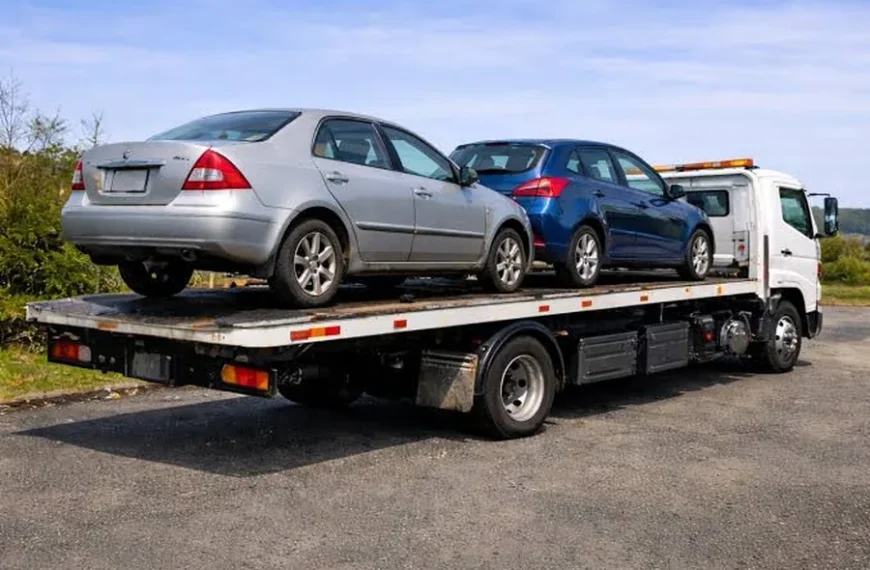
An old vehicle can be worth more than its condition suggests, but there is no single payout for every car. The amount depends on what can be reused, the vehicle’s weight and condition, and the cost of collecting it. Knowing how buyers assess these factors helps you judge a quote and prepare useful details before requesting one.
How Buyers Set a Quote
A removal service estimates what it can recover from the vehicle, then weighs that against the work and costs involved. A running car with usable parts can have a different value from a wreck with missing components, even if both are the same model.
The vehicle’s make, model, age, and condition all matter. Demand for parts also affects the offer: a sought-after engine or gearbox can add value, while corrosion or damage to major components can reduce it. Buyers may consider scrap metal value when parts have little resale potential.
A quote is therefore an assessment, not a fixed price list. Two services can arrive at different amounts because they have different resale opportunities, collection costs, and assessment criteria.
What to Tell the Buyer
Before requesting a quote, gather details that let the buyer assess the vehicle without repeated calls. Services handling car removals in Auckland need a clear account of the car and its location to estimate collection and value. Include the make, model, year if known, overall condition, and whether it starts. Note missing parts, damage, access restrictions, and whether you have the keys and ownership documents.
Do not describe a vehicle as complete if parts have been removed. State plainly if it is parked in a tight driveway, garage, or difficult-to-reach area. These facts can affect collection arrangements and the quote you receive.
What the Condition Does to the Offer
A vehicle does not need to run to have value. Reusable parts, recyclable materials, and the condition of its major components all contribute to an assessment. However, a car with extensive fire, flood, or collision damage may have fewer parts worth recovering.
Be accurate when describing the vehicle. Mention whether it starts, whether key components are present, and any known damage or missing parts. If a service discovers a significant difference between the description and the vehicle, it may revise its offer at collection.
A clear description helps you compare quotes on the same basis. Photos of the exterior, interior, and any obvious damage can also help a buyer make an initial assessment, though the final amount can depend on an inspection.
Compare the Net Amount
A high headline offer does not tell you what you will receive after collection. Ask whether towing is included, whether the quoted amount can change after inspection, and when payment is made. Get the terms in writing, including any conditions attached to the offer.
Compare the final amount rather than the first figure mentioned. Check whether the service charges for pickup or deducts costs after arrival. Clarify what happens if the vehicle’s condition differs from your description, so you can decide before collection proceeds.
A practical comparison checklist can keep the details straight:
- Confirm that the quote applies to the vehicle as described.
- Ask whether collection is included in the amount.
- Check what payment method and timing the service uses.
- Request the reason for any change to the quoted figure.
Prepare for Collection
Remove personal belongings and check the glovebox, boot, and storage compartments before the vehicle leaves. Take off any items you intend to keep, such as a removable phone holder or child seat. Tell the buyer if the car cannot be moved under its own power.
Ask what documents or proof of authority the service needs, especially if the vehicle is registered to someone else or an organisation. Requirements vary, so confirm them directly rather than assuming a particular document will be accepted. Keep a record of the agreed price and collection details.
If the vehicle is at a different address from yours, arrange access before booking. A clear handover helps prevent delays and gives both sides a chance to confirm the vehicle’s condition and agreed terms.
Conclusion
Treat a removal quote as a vehicle-specific offer, not a guaranteed rate based on age or appearance alone. Describe the car honestly, ask what the price includes, and compare the net amount alongside collection and payment terms. Before confirming, make sure access is arranged and any required documents are ready. That preparation gives you a clearer basis for accepting or declining an offer.


