
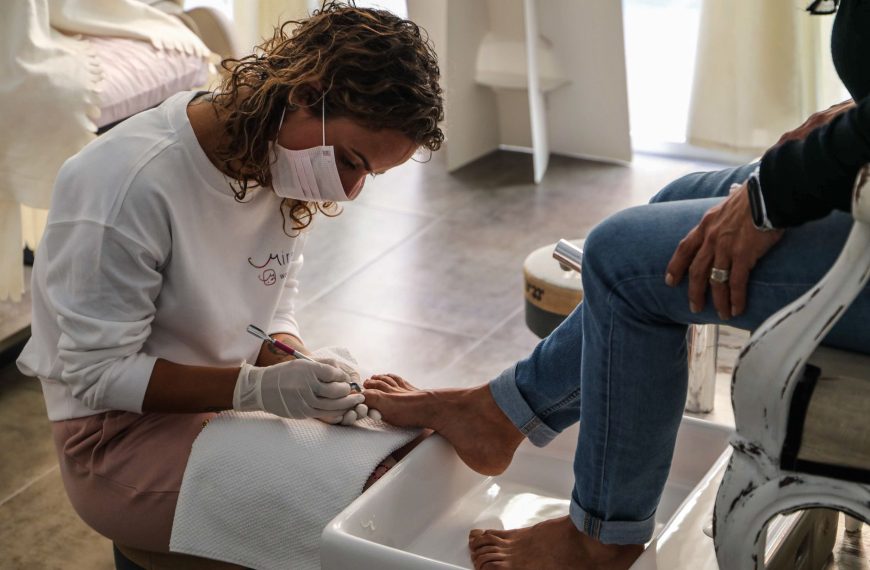
An ingrown toenail occurs when the edge of a nail grows into the surrounding skin. This can lead to tenderness, redness, swelling, and sometimes drainage. The big toe is most commonly affected, although any toenail can cause problems.
Though mild symptoms may settle with early care, recurring pain or infection may require professional treatment. Knowing the available options helps patients make informed decisions and protect comfortable movement.
Mild cases may respond to measures that reduce pressure on the toe. Roomy footwear, clean feet, and straight nail trimming can support recovery. Persistent pain, swelling, pus, or repeated episodes need professional assessment.
A podiatrist can determine whether the problem relates to nail shape, footwear, injury, or infection, then recommend ingrown toenail treatment based on the nail’s condition and the patient’s health.
Conservative Care
Conservative care may suit mild or moderate cases where the nail has only slightly entered the skin. A podiatrist may lift or clear the affected edge, remove trapped debris, and protect the area while the nail grows. Guidance about footwear and nail trimming can also reduce future pressure. However, symptoms may return if the nail continues growing into the surrounding skin.
Cutting deeply into the nail corner at home can create sharp fragments, injure nearby tissue, or introduce bacteria. People with diabetes, poor circulation, reduced sensation, or a weakened immune system should arrange prompt professional care instead of treating an ingrown nail without guidance.
Nail Correction
The Onyfix system for nail correction provides a non-surgical option for some curved or involuted nails. A small brace is attached to guide the nail as it grows forward. The process does not involve cutting the nail or using local anaesthetic, and many patients find the brace comfortable during daily activities.
The improvement takes time because the nail must grow naturally. Several months may be required, especially when the nail is severely curved or has sustained damage. This option may suit patients who prefer a gentle approach, although only a podiatrist can first confirm that the nail is likely to respond well.
Partial Nail Surgery
Partial nail avulsion removes the section of nail that is pressing into the skin. Local anaesthetic keeps the procedure comfortable, while the remaining nail continues to grow. For recurring cases, phenol may be applied to the nail root beneath the removed edge. This helps reduce the chance of the same section growing back.
Partial surgery may be appropriate when pain continues, infection develops, or conservative care has not worked. Most of the nail remains in place, which helps preserve its appearance. Many patients can walk comfortably later that day or the following day, although the treated area still needs clean dressings and careful hygiene.
Total Nail Removal
Total nail avulsion removes the entire nail plate. It may be recommended when the whole nail is severely damaged, extensively infected, or affected by significant trauma. Because more tissue is exposed, recovery may require additional care compared with partial surgery. Regrowth can take considerable time, and the new nail may have a different shape or texture.
Before treatment, a podiatrist will explain healing expectations, dressing changes, activity restrictions, and the likelihood of regrowth. Total removal is not usually the first choice for a localised ingrown edge, but it may be suitable if the entire nail is affected.
Choosing the Right Option
The most suitable treatment depends on symptom severity, infection, nail shape, recurrence, activity levels, age, and medical history. While a first episode may improve with conservative care, repeated episodes often benefit from nail correction or partial surgery. Children and teenagers can receive either non-surgical or surgical care, depending on the nail and surrounding skin.
Prompt assessment is important if redness spreads, drainage increases, pain becomes severe, or walking becomes difficult. Early treatment can prevent a small nail-edge problem from developing into a more serious skin infection.
Aftercare and Prevention
After the treatment is concluded, patients should keep the area clean, change dressings as directed, and wear footwear with enough room around the toes. Strenuous activity needs to be paused briefly, particularly after surgery. Toenails should be cut straight across without digging into the corners. Regular checks can also identify pressure, swelling, or nail changes before they become painful.
Conclusion
Treatment for an ingrown toenail can range from pressure reduction and routine care to nail correction or minor surgery. The right option depends on the nail’s shape, pain level, infection risk, recurrence, and overall health. Early cases may settle with conservative measures, while partial surgery can provide lasting relief for repeated problems.
Professional assessment supports a more accurate diagnosis, safer treatment, and clear aftercare advice, helping patients return to comfortable walking.


