
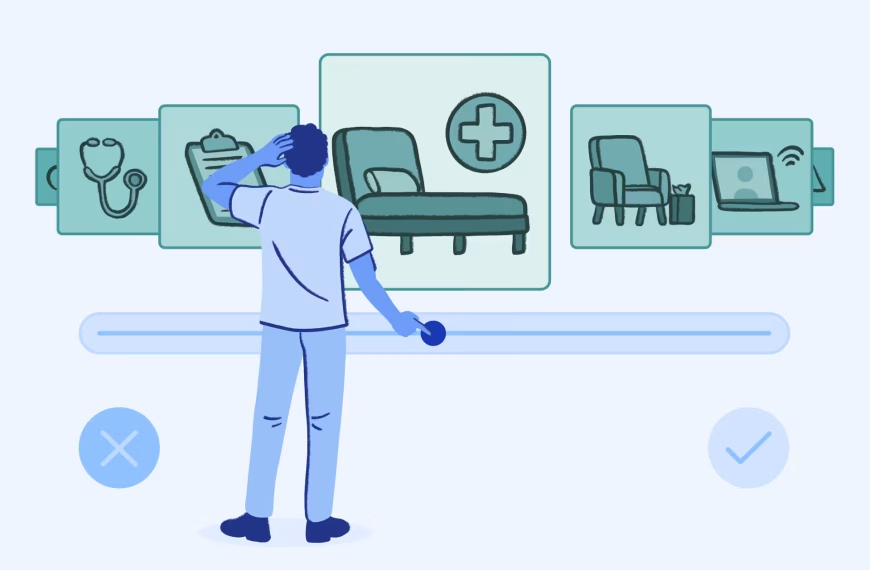
Addiction treatment is not a single thing. It is a layered system of services that range from a weekly therapy appointment to round-the-clock medical care, with several stops in between. Many people first encountering this system find the language confusing, and that confusion can lead to either taking a step that is too small to help or being intimidated by an option that sounds bigger than what is actually needed.
Understanding the levels of care, what each one offers, and who tends to do well in each can take a lot of the guesswork out of the decision.
Why Treatment Comes in Different Levels
The reason addiction care exists in multiple levels is straightforward. Different stages of addiction, different severity levels, and different life circumstances call for different amounts of structure and support. A person who needs medically supervised inpatient detoxification has very different needs from someone who is six months sober and looking for peer support. Both belong in the system. They just belong in different parts of it.
Detox: The Medical Foundation
Detox is the process of safely getting the body through withdrawal from a substance. For some substances, including alcohol, benzodiazepines, and opioids, withdrawal can be medically dangerous. Inpatient or hospital-based detox provides 24-hour medical supervision, medications to manage symptoms, and a safe environment to get through the most physically uncomfortable phase of stopping use.
Detox is not treatment in itself. It is the foundation that makes the rest of treatment possible. People who finish detox without continuing into a structured program are at high risk of returning to use. Continuity of care after detox is the single most important factor in turning detox into a meaningful starting point.
Inpatient and Residential Treatment
Inpatient and residential programs offer round-the-clock care in a structured environment. People live at the facility, follow a structured daily schedule, and engage in individual and group therapy alongside other clinical and supportive services. These programs typically last between 30 and 90 days, sometimes longer. They are best suited for people with severe addiction, those with significant co-occurring mental health concerns, and anyone whose home environment is not yet stable enough to support recovery.
Partial Hospitalization Programs
Partial hospitalization programs (PHPs) are sometimes called day treatment. They typically run five to seven days a week, for several hours each day. Patients go home or to a sober living environment in the evening. PHPs are a step down from residential care but still provide a high level of structure. They work well for people transitioning out of residential treatment, those with strong home support but significant treatment needs, and anyone who needs more than weekly therapy can offer.
Intensive Outpatient Programs
Intensive outpatient programs (IOPs) typically involve nine to twelve hours of treatment a week, spread across three to five sessions. Sessions are scheduled to fit around work, school, or family responsibilities. IOPs are a strong fit for people stepping down from higher levels of care, those with mild to moderate addiction, and anyone who needs more structure than weekly therapy provides without stepping away from daily life entirely.
Standard Outpatient Therapy
Standard outpatient therapy is what most people picture when they think of therapy. Weekly or biweekly sessions with a therapist or counselor, often paired with medication management and peer support. This level works well for people whose addiction is mild, those in long-term recovery, and people stepping down from higher levels of care after building stability.
Recovery Support and Aftercare
Beyond the formal levels of care, recovery support includes peer support groups, sober living, alumni networks, recovery coaching, and continued therapy. Aftercare is not a separate phase. It is the long, often lifelong, network that keeps recovery active after structured programs end. Programs that take aftercare seriously typically build it in from day one, including written relapse prevention plans, connections to the local recovery community, and ongoing check-ins.
How to Tell What Level Is Right
Choosing a level of care depends on several factors, including substance, severity, history, mental health, home environment, and personal goals. According to the National Institute on Drug Abuse (NIDA), treatment must be readily available and tailored to the individual. Most reputable programs offer free assessments to recommend a starting level and adjust over time. Choosing a level is not a permanent decision. People can step up or down as their needs change.
Common Mistakes People Make Choosing a Level
Two patterns tend to come up:
- Choosing a level lower than needed because it feels less disruptive, then struggling to make progress and feeling discouraged
- Choosing a level higher than needed because it feels safer, then disengaging because the structure feels suffocating
Either mistake is fixable. The point of the system is its flexibility. People can adjust as they learn what they actually need. The main thing is to start somewhere appropriate rather than waiting for certainty.
Why Continuity Across Levels Matters
The strongest treatment systems are those that move people smoothly between levels of care. Detox handing off to residential care. Residential care handing off to PHP. PHP handing off to IOP. IOP handing off to outpatient and peer support. When this transition is managed well, people maintain momentum. When it is not, they often fall through the cracks. Programs that operate the full continuum, or that coordinate well with external providers, tend to produce better long-term outcomes.
Choosing the Care That Fits the Moment
Levels of care exist because no single approach fits every situation. Choosing well means matching the level of structure to the actual need at that moment in life, with the willingness to adjust as life changes. The system is designed to be flexible. People who use that flexibility to their advantage tend to find that recovery looks less like a single dramatic decision and more like a series of well-fitted choices over time.
If you are weighing options for yourself or someone you love, a free assessment with a reputable program is usually the simplest next step. The conversation costs nothing and can clarify a great deal. From there, the right level of care often becomes obvious.


