
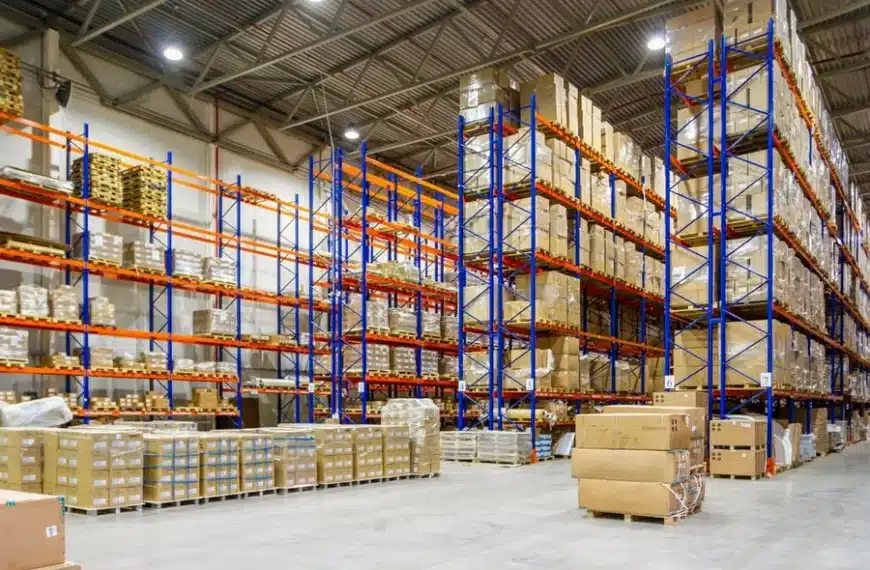
Stack racks are a fast way to add vertical storage without building new racking. That flexibility is the appeal. It’s also the risk. When racks move often, get stacked in new areas, or are used by multiple shifts, “close enough” decisions show up. A rack placed on an uneven floor, a mixed set that doesn’t seat correctly, or an overloaded top level can turn into a costly incident. Consistency beats improvisation every time.
Where Stack Racks Work Best (and Where They Don’t)
Stack racks work best in overflow, staging, seasonal peaks, and temporary zones where you need capacity you can reconfigure. They’re useful for WIP buffers, inbound staging, and short-term storage when product mix changes. They also shine when you need clear access around a unit load, since forklifts can pick and place racks without permanent beams.
They get risky in uneven floor areas, tight turns, and high-traffic intersections where bumps and misalignment are common. They also cause trouble when ownership is unclear. If no one owns layout rules, racks drift into “wherever there’s space.” Mixed rack types are another common problem. If posts, feet, and seating points don’t match, the stack can look fine and still be unstable.
Stack Rack Ratings, Stack Limits, and Load Behavior
The rating plate tells you how the rack is meant to be used and what it can safely carry. “Uniform load” means the weight is evenly distributed across the supported surface, not concentrated in one corner or on one pallet stringer. If your loads are point-heavy, the effective capacity can drop fast.
Racks must seat correctly so posts land in the designed pockets or corners. If a rack is slightly twisted or a foot is bent, stacking becomes guesswork.
Center of gravity is the silent factor. Partial loads, uneven pallets, or tall loads shift weight upward and increase tipping risk. A stack that’s stable with full, even pallets may not be stable with mixed cartons, long parts, or one-sided loads.
Site Rules That Keep Consistency
Good stack rack programs run on simple rules that everyone follows. Start with floor condition. Set approved zones where floors are flat and clear, and avoid areas with drains, broken concrete, or slopes. Confirm aisle width and forklift approach so operators don’t need tight-angle entries that bump posts.
Define max stack heights by zone — one height for staging, another for longer storage, and a lower limit for high-traffic areas. Tagging helps. Use visible tags to indicate approved racks, out-of-service racks, and repair status.
Inspection and Maintenance Program
Inspections don’t need to be complicated, but they must happen. Daily checks should focus on obvious damage: bent posts, cracked welds, missing feet, and racks that don’t sit flat. Monthly checks can go deeper, looking for twists, repeated impact points, and subtle deformation.
Have a quarantine process that’s easy to follow. If a rack is damaged, it should leave the floor quickly and predictably. Decide when to repair and when to retire. Repairs that restore seating surfaces and load paths can be fine. Unverified welds and “field fixes” that change geometry can create more risk than they solve.
Buying Used Stack Racks Responsibly
When you are looking to buy stack racks online, used racks can be a smart buy, especially when you need capacity quickly. The key is matching sets and consistent dimensions. Mixing styles makes stacking unpredictable. When shopping online, prioritize listings that show feet, post ends, corners, and welds clearly. Confirm straightness and ask about repair history if it’s not stated.
Avoid racks that show heavy racking damage, bent bases, or posts that don’t line up. Those are the units that stack poorly and force operators to “make it work.”
What to Document for Audits and Insurance
Keep it simple: training log, inspection log, and rating visibility on the racks in use. A short written policy that defines zones, stack heights, and quarantine steps goes a long way in audits and insurance reviews.
If you’re ready to add flexible capacity without adding risk, buy stack racks online through Container Exchanger. You can source matching sets, compare condition notes, and build a consistent fleet that stacks the same way every time.


