

Singapore is steadily reshaping its transport landscape to support cleaner and more efficient mobility. As global interest in electric vehicles (EVs) increases, the city-state has strengthened policies, expanded charging options, and encouraged greater adoption among residents and businesses. These developments mark a significant transition from internal combustion engine vehicles to electric alternatives, with long-term sustainability as the guiding goal.
Government Support and Policy Direction
Government policy has been instrumental in accelerating EV adoption. To reduce emissions and support national sustainability targets, Singapore plans to phase out internal combustion engine vehicles by 2040. Several financial incentives help drivers transition to electric options.
The Electric Vehicle Early Adoption Incentive (EEAI) offers rebates on the Additional Registration Fee for eligible EVs, while the Vehicle Emissions Scheme (VES) provides further reductions for cleaner models. These incentives help offset the higher upfront cost of EVs, making them more competitive with traditional vehicles. Updated emissions standards for new vehicle registrations also encourage manufacturers to introduce more electric models into the local market.
Through these measures, the government aims to build a transport ecosystem that prioritizes energy efficiency and environmental responsibility.
Expanding Charging Infrastructure
A major factor influencing EV adoption is access to reliable charging. Singapore has committed to installing tens of thousands of charging points across the island. Public car parks, commercial buildings, industrial estates, and residential developments are being equipped with chargers to ensure broad accessibility.
The Land Transport Authority (LTA) is partnering with charging operators to speed up deployment and provide convenient charging options in both mature and new towns. Mobile apps allow drivers to locate, reserve, and monitor charging points, making the process more seamless.
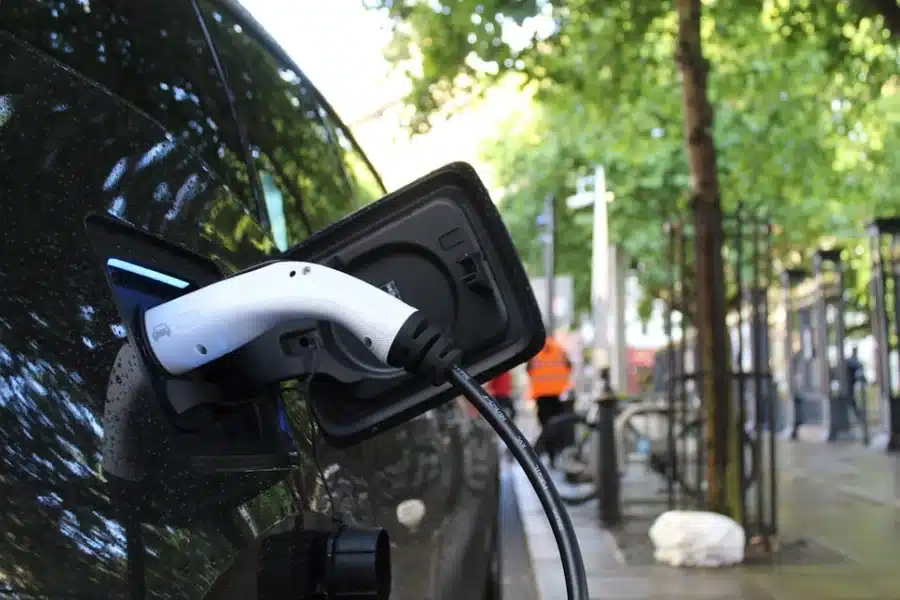
Private property developers are also responding to rising demand. Shopping malls, office buildings, and condominiums are integrating chargers into their facilities, offering convenience for owners who may not have access to home-based charging. This combination of public and private infrastructure supports Singapore’s goal of creating a robust nationwide charging network.
In line with this growing ecosystem, many drivers explore EV options and related services through platforms such as https://denza.sg/, which offer model information and help guide purchasing decisions.
Market Growth and Consumer Adoption
The EV market in Singapore has expanded with a broader selection of models available. Global and regional manufacturers now offer electric cars across various categories, including compact vehicles, sedans, and SUVs. This wider range enables consumers to choose models that match their daily driving needs and budgets.
Consumer attitudes toward EVs have improved as technology evolves. Modern electric cars provide significantly better range, allowing drivers to travel hundreds of kilometers on a single charge—sufficient for daily use in a compact city. Fast-charging stations further reduce downtime, enabling drivers to recharge batteries efficiently.
Businesses are also beginning to adopt EVs for their fleets. Ride-hailing companies, logistics providers, and delivery services are introducing electric cars and vans to reduce operational costs and highlight their sustainability commitments. For businesses, EVs present long-term savings in fuel and maintenance while contributing to lower emissions.
Environmental and Economic Benefits
Adopting EVs brings clear environmental advantages. With no tailpipe emissions, electric cars help reduce air pollution and support Singapore’s broader climate goals. Quieter operation also contributes to a lower noise footprint in residential and commercial areas.
Economic opportunities are emerging alongside environmental benefits. Growth in EV adoption supports industries such as battery technology, charging services, recycling, and energy management. These sectors create new roles for technicians, engineers, and specialists, strengthening the local green economy. Continued development of EV infrastructure and services places Singapore in a strong position within the global shift toward sustainable transport.
Ongoing Challenges
Despite strong progress, several challenges remain. Charging capacity must keep pace with future demand, especially in older residential areas where home-based charging is not always possible. Continued investment and planning will be essential to maintain accessibility.
Upfront costs still influence buying decisions. Although incentives help reduce the price gap between EVs and petrol vehicles, electric models often remain more expensive. Over time, lower fuel and maintenance costs may balance the equation, but initial expenses continue to be a consideration for many consumers.
Battery life and recycling will also become important as EV adoption grows. Singapore is exploring solutions for responsible battery disposal and recycling, ensuring that environmental benefits remain consistent throughout the product lifecycle.
Conclusion
Singapore’s transition to electric vehicles reflects its long-term commitment to sustainability and efficient urban mobility. With strong government support, expanding infrastructure, and increasing consumer interest, EV adoption is expected to rise steadily. Challenges such as cost and charging accessibility remain, but ongoing improvements in technology and planning continue to strengthen the ecosystem.
By integrating cleaner transport options into everyday life, Singapore moves closer to a future marked by lower emissions, quieter streets, and more sustainable mobility choices. The nation’s progress demonstrates that thoughtful planning and collaboration can pave the way for a resilient and environmentally responsible transport system.


