
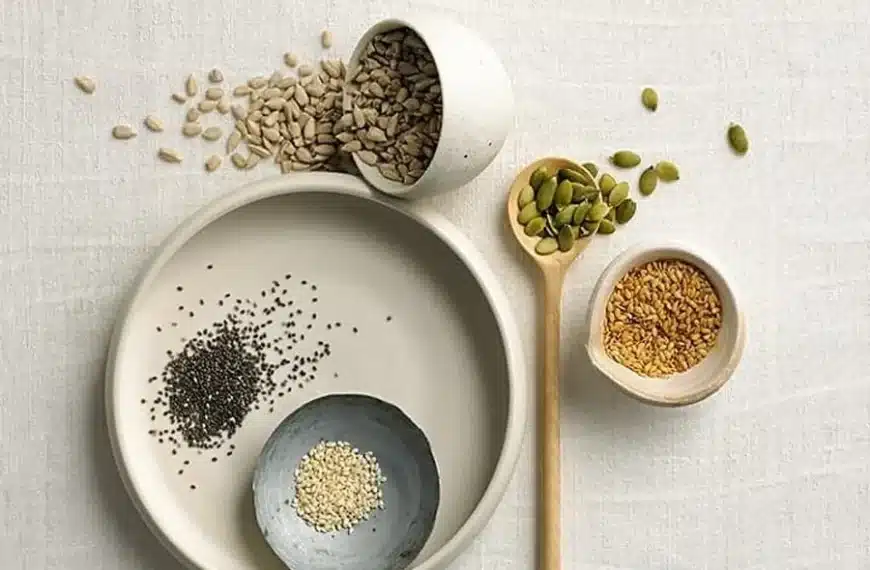
Snacking has changed a lot in recent years. More people are moving away from fried and processed snacks and looking for healthier, nutrient-rich alternatives that still satisfy cravings. Roasted seeds have become one of the most popular choices for this shift, especially krishival sunflower seeds and watermelon seeds.
When roasted correctly, these seeds offer a balance of crunch, taste, and nutrition. They are easy to prepare at home, store well, and can be eaten daily in controlled portions. Nutritionists often recommend roasted seeds as a smarter alternative to chips, biscuits, and namkeen.
This guide explains the nutritional value of sunflower seeds and watermelon seeds, how roasting affects them, and how to buy watermelon seeds and include them in daily snacking without overdoing calories or fat.
Why Roasted Seeds Are a Smart Snacking Choice
Roasted seeds work well as snacks because they combine:
- Healthy fats
- Plant-based protein
- Essential minerals
- Long-lasting satiety
Unlike ultra-processed snacks, seeds contain natural nutrients that support the body instead of empty calories. Roasting improves texture and flavor while making seeds easier to digest when done properly.
However, the key lies in how they are roasted and how much is consumed.
Sunflower Seeds: Nutrition and Benefits When Roasted
Sunflower seeds are one of the most nutrient-dense seeds available. They are especially known for their healthy fats and antioxidant content.
Nutritional Profile of Sunflower Seeds
Sunflower seeds are rich in:
- Unsaturated healthy fats
- Vitamin E (a powerful antioxidant)
- Plant-based protein
- Magnesium, selenium, and iron
These nutrients support heart health, immunity, and energy production.
How Roasting Affects Sunflower Seeds
Roasting sunflower seeds:
- Enhances flavor and crunch
- Improves digestibility
- Makes them more enjoyable as a snack
However, excessive heat or oil can reduce nutritional quality. Nutritionists recommend dry roasting or light roasting with minimal oil to preserve healthy fats.
Health Benefits of Roasted Sunflower Seeds
When eaten in moderation, roasted sunflower seeds can:
- Support heart health
- Help manage cholesterol levels
- Provide sustained energy
- Reduce oxidative stress due to vitamin E
Because they are calorie-dense, portion control is essential.
Recommended daily snack portion: 20–30 grams
Watermelon Seeds: A Surprisingly Nutritious Snack
Watermelon seeds are often discarded, but when dried and roasted, they become a powerful nutritional snack.
Nutritional Profile of Watermelon Seeds
Watermelon seeds are a good source of:
- Plant-based protein
- Healthy fats
- Magnesium and zinc
- Iron and B vitamins
This makes them particularly beneficial for muscle function, metabolism, and energy support.
How Roasting Improves Watermelon Seeds
Raw watermelon seeds can be hard to digest for some people. Roasting:
- Improves taste
- Enhances crunch
- Makes nutrients more bioavailable
Light roasting brings out a nutty flavor, making them suitable for regular snacking.
Health Benefits of Roasted Watermelon Seeds
When included in a balanced diet, roasted watermelon seeds may:
- Support muscle recovery
- Improve metabolic health
- Contribute to daily protein intake
- Support heart and nerve function
Recommended daily snack portion: 15–25 grams
Home Roasting vs Packaged Roasted Seeds
Many people buy flavored or packaged roasted seeds, but nutritionists often recommend home roasting instead.
Issues with Packaged Roasted Seeds
- High sodium levels
- Added preservatives
- Unhealthy oils
- Artificial flavoring
These additions can reduce the health benefits of seeds.
Advantages of Home Roasting
Home roasting allows you to:
- Control oil and salt
- Preserve nutrients
- Customize flavors
- Ensure freshness
Home roasting works best with premium seeds — buy sunflower seeds and buy watermelon seeds that are raw and clean.
Quality raw seeds roast evenly, taste better, and retain their nutritional value.
How to Roast Sunflower Seeds at Home (Healthy Method)
Dry Roasting Method
- Heat a heavy-bottom pan on low to medium heat
- Add raw sunflower seeds
- Stir continuously for 5–7 minutes
- Remove when seeds turn lightly golden and aromatic
- Cool completely before storing
Light Oil Roasting Method
- Use only ½ to 1 teaspoon of oil
- Roast on low heat
- Avoid deep roasting or burning
How to Roast Watermelon Seeds at Home
Simple Dry Roasting
- Wash and dry watermelon seeds completely
- Heat a pan on low heat
- Add seeds and roast while stirring
- Roast until seeds start popping lightly
- Cool before storing
Optional seasoning:
- Black pepper
- Light salt
- Cumin powder
Avoid sugary or heavy spice coatings for daily use.
Portion Control: The Most Important Rule
Seeds are healthy but calorie-dense. Nutritionists strongly emphasize moderation.
Recommended combined snack portion:
- Sunflower seeds: 1 small handful
- Watermelon seeds: 1 small handful
Mixing both in small quantities provides:
- Healthy fats
- Protein
- Minerals
without excessive calories.
Who Should Include Roasted Seeds in Daily Snacks?
Roasted sunflower and watermelon seeds are suitable for:
- Office workers needing energy
- Active individuals and gym-goers
- Vegetarians looking for protein
- People replacing fried snacks
However, people with:
- Digestive sensitivity
- Nut or seed allergies
- Calorie-restricted diets
should consume smaller portions and observe tolerance.
Common Mistakes to Avoid with Roasted Seeds
- Eating straight from the packet without portioning
- Over-roasting until seeds burn
- Using too much oil or salt
- Treating seeds as meal replacements
Seeds are best used as snack supplements, not main meals.
Can Roasted Seeds Help with Weight Management?
Yes, when eaten correctly.
Roasted seeds:
- Reduce hunger between meals
- Prevent junk food cravings
- Provide sustained energy
But overeating them can slow weight loss due to high calorie density.
Balance is key.
How Often Can You Eat Roasted Seeds?
Nutritionists generally suggest:
- Daily consumption is fine
- Stick to recommended portions
- Rotate seeds for variety
Combining roasted seeds with lighter snacks like fruits or makhana creates a more balanced approach.
Final Thoughts: Making Roasted Seeds a Healthy Habit
Roasted sunflower seeds and watermelon seeds are excellent snacking options when prepared correctly and eaten in moderation. They offer a powerful mix of healthy fats, protein, and essential minerals that support daily health.
Home roasting is the best way to enjoy these seeds while preserving nutrition and avoiding unnecessary additives. Choosing clean, raw seeds and keeping portions in check makes roasted seeds a smart, sustainable snack.
When included mindfully, roasted seeds can easily replace processed snacks and contribute to better long-term health.


