
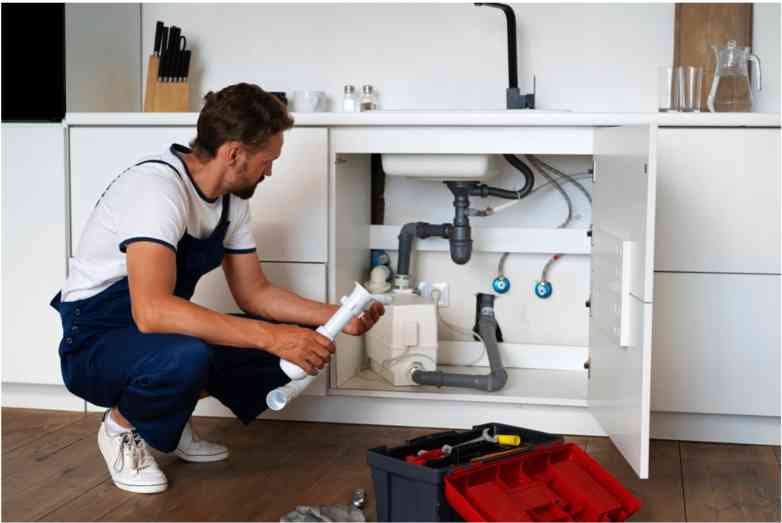
Every home has plumbing problems from time to time, and knowing how to fix them can save money and effort. Many plumbing issues, such as clogged drains and leaking faucets, have easy fixes that don’t call for expert help. Knowing the fundamentals of home plumbing not only makes it easier to handle small problems but also keeps them from becoming more serious and requiring expensive repairs. This guide will explain some of the most common plumbing issues, how to resolve them, and when to hire a professional.
How to Clear a Clogged Drain
One of the most frequent plumbing problems that homeowners deal with is a clogged drain, which can happen in toilets, sinks, or bathtubs. A buildup of hair, soap scum, grease, or food particles is typically the cause of this issue. The first step in clearing a clogged drain is to use a plunger to generate suction and remove the obstruction. If that doesn’t work, try removing debris with an auger or drain snake. A solution of vinegar and baking soda, followed by hot water, can help dissolve stubborn clogs. Use drain covers and refrain from throwing grease or large food particles down the sink because preventing clogs is just as important as clearing them.
How to Fix a Leaky Faucet
Although a dripping faucet might seem like a small inconvenience, over time it can waste a lot of water and raise utility costs. A worn-out washer or O-ring inside the faucet is the most frequent cause of leaks. Turn off the water supply first, then use a screwdriver to remove the handle to fix it. Next, remove the old O-ring or washer and swap it out for a brand-new one that is the same size. To check for leaks, reassemble the faucet and turn on the water. If the issue continues, the valve seat might be the cause, necessitating further maintenance or replacement. Leaks can be avoided altogether by performing routine maintenance and looking for early wear indicators.
Repairing a Leaky Pipe
It is crucial to fix leaky pipes as soon as possible because, if ignored, they can result in serious water damage. Cracks, corrosion, or loose pipe connections can all result in a leak. Turn off the water supply and seal the damaged area with epoxy putty or plumber’s tape to temporarily fix a small leak. The pipe segment may need to be replaced for a more long-term fix. To prevent more damage, it is advised that you hire a professional plumber, such as a reliable plumber from Sydney who knows all about these problems, in case you are not sure how to do this.
How to Handle a Running Toilet
Another common plumbing issue that can waste gallons of water every day is a running toilet. This problem is frequently brought on by a malfunctioning flapper valve, which lets water continuously flow from the tank to the bowl by failing to seal properly. Remove the toilet tank lid and check the flapper valve to resolve this. Replace it with a new one, which is available at any hardware store, if it seems worn out or damaged. The chain that connects the flapper to the flush handle may need to be adjusted to make sure it is neither too tight nor too loose if the issue continues. A running toilet can also be caused by problems with the float mechanism or fill valve, which should be checked and fixed as needed.
For those eager to delve deeper into the intricacies of plumbing, exploring additional resources can be invaluable. Whether you’re tackling a leaky faucet or a more complex issue, having a reliable source of information at your fingertips is crucial. By visiting this website, you can access a wealth of knowledge that complements the tips and tricks shared here. From step-by-step guides to expert advice, expanding your understanding will empower you to handle plumbing challenges with confidence. Remember, the more informed you are, the better equipped you’ll be to maintain a smoothly running household.
Resolving Low Water Pressure
It can be annoying to have low water pressure, especially when you’re trying to wash dishes or take a shower. Mineral accumulation in the faucet aerator, clogged pipes, or an issue with the municipal water supply are the most common causes of this problem. To fix it, remove the aerator from the faulty faucet and soak it in vinegar to remove any mineral buildup. A leak in the plumbing system or a blockage in the main water line could cause low water pressure in several faucets. Verify that the water shut-off valve is fully open and look for any obvious leaks.
Having a basic understanding of plumbing repairs can help homeowners solve common issues efficiently. Most problems, like a clogged drain, a leaking faucet, or low water pressure, have easy fixes that require little work and only a few basic tools. To avoid additional harm, it is always best to seek professional help for more complicated issues.


