
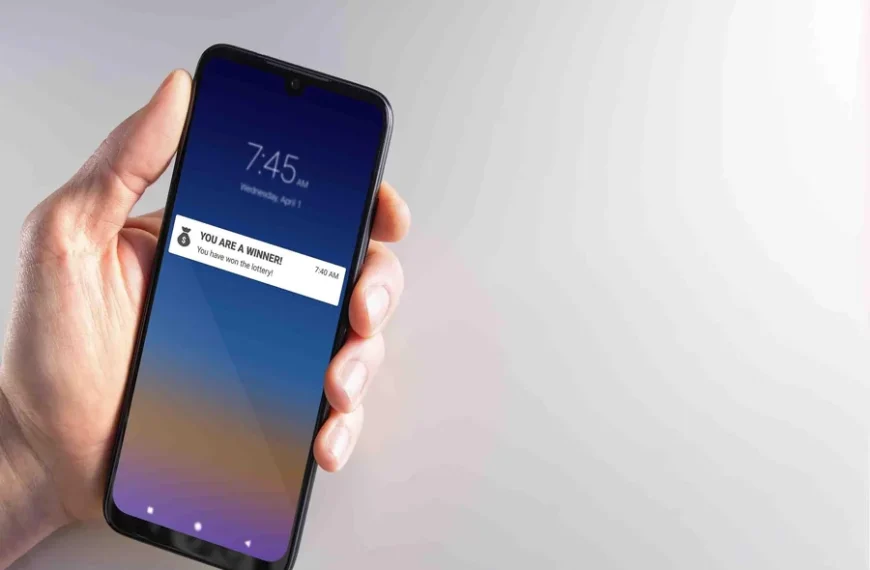
Your phone rings with a number you do not recognize. A text arrives claiming to be from your bank. A voicemail warns of a problem with an account, urging you to call back immediately. Every day, most people field a steady stream of calls and messages from unfamiliar numbers, and a growing share of them are not what they seem. Phone and text scams have become one of the most common ways criminals try to reach and deceive people, and they have grown more sophisticated over time. Learning to recognize these scams, and to protect yourself from them, has become an essential part of everyday digital safety.
The reason phone scams are so widespread is that they work. Scammers reach out to enormous numbers of people, knowing that even a small success rate makes their efforts worthwhile. They impersonate trusted organizations, create urgency and fear, and rely on catching people off guard. The good news is that once you understand how these scams operate, they become far easier to spot and avoid. This article walks through how phone and text scams work, the warning signs that give them away, and the practical steps you can take to protect yourself, including how to find out who is really behind an unknown number.
Why phone scams are so common
To protect yourself, it helps to understand why phone and text scams have become so prevalent. The fundamental reason is that reaching people by phone is cheap, easy, and effective for scammers. They can contact vast numbers of people at little cost, using automated systems to place calls and send texts on a massive scale. Even if only a tiny fraction of the people they reach fall for the scam, the low cost of reaching everyone else makes it profitable. This is why the volume of scam calls and texts has grown so large.
Another reason is that the phone system was not built to verify who is really calling. The number that shows up on your screen can be forged, a practice that lets scammers make their calls appear to come from trusted sources, including banks, government agencies, or even numbers similar to your own. This means caller ID, which many people instinctively trust, is far less reliable than it seems. A call that appears to come from a legitimate organization may have nothing to do with that organization at all, which is exactly what scammers exploit.
Phone scams are also effective because they catch people in the moment. Unlike an email you can consider at your leisure, a phone call demands an immediate response, and scammers use this to their advantage, creating pressure and urgency that push people to act before they think. A person who might easily spot a scam email can be caught off guard by a phone call that puts them on the spot. This combination of low cost, forged caller ID, and in-the-moment pressure is what makes phone and text scams such a persistent threat, and understanding it is the first step to protecting yourself.
Common types of phone and text scams
Scammers use many variations, but most phone and text scams fall into a few recognizable patterns, and knowing them helps you spot a scam for what it is.
One of the most common is the impersonation scam, where the caller or texter pretends to be from a trusted organization. They might claim to be from your bank, warning of suspicious activity on your account. They might pose as a government agency, claiming you owe money or face some legal problem. They might impersonate a well-known company, a delivery service, or a tech support line. In each case, they trade on the trust attached to the organization they are impersonating, using it to lower your guard and extract money or information.
Another common pattern is the urgent problem scam, which creates a sense of crisis to pressure you into acting quickly. The message warns that something bad will happen unless you respond immediately, whether it is an account being closed, a payment being due, or a legal consequence looming. The urgency is deliberate, designed to make you act before you have time to think clearly or verify the claim. Genuine organizations rarely operate this way, so manufactured urgency is a strong sign of a scam.
Text-based scams, sometimes involving messages with links, are increasingly common too. These messages might claim there is a problem with a delivery, an account, or a payment, and urge you to click a link, which leads to a fake page designed to steal your information. Others promise prizes or offers to lure you into engaging. What unites all these scams is deception, whether about who is contacting you, what the situation is, or what will happen if you do not comply. Recognizing these patterns is a powerful protection, because once you see the pattern, the individual scam becomes obvious.
How to find out who is really calling
One of the most practical things you can do when faced with an unfamiliar number is to find out who is actually behind it, rather than guessing. This turns an anonymous, potentially threatening call into something you can assess with real information.
When an unknown number calls or texts you, especially repeatedly or in a way that seems suspicious, a reverse phone lookup can reveal information associated with that number, helping you understand who or what is behind it. Instead of wondering whether a call is from a legitimate source or a scammer, you can look into the number and gain information to inform your decision. If the number connects to a recognizable, legitimate source, that is reassuring. If it connects to something that looks like spam or fraud, or raises concerns, that tells you to steer clear. Either way, you are deciding based on information rather than a blind guess.
This kind of lookup is particularly useful in a few situations. When a number calls you repeatedly and you want to know who it is before deciding how to respond, looking it up gives you the answer. When you have received a suspicious text or voicemail and are unsure whether to trust it, checking the number behind it helps you judge. And when someone claiming to be from an organization contacts you and something feels off, looking up the number can help reveal whether it genuinely belongs to that organization. In all these cases, the ability to find out who is behind a number replaces uncertainty with knowledge, letting you protect yourself with confidence.
Used sensibly, checking who is behind an unknown number is simply a practical tool for staying safe in a world full of unfamiliar calls and messages. It lets you distinguish the legitimate from the fraudulent, avoid the scams you want to avoid, and respond to the calls that matter, all based on real information rather than guesswork.
Who scammers target and why
It is a common misconception that only certain people fall for phone scams, and understanding who is actually targeted, and why anyone can be vulnerable, helps you stay alert rather than assuming it could never happen to you. The truth is that scammers target everyone, casting a wide net precisely because they cannot know in advance who will be caught. They reach out to vast numbers of people indiscriminately, and the people who fall victim are not necessarily careless or gullible; they are often simply people who were caught at the wrong moment, distracted, stressed, or hit with a scam that happened to match a real concern.
This is important because believing you are immune can actually make you more vulnerable. A person who assumes they could never be fooled may let their guard down, while someone who recognizes that anyone can be caught off guard stays appropriately cautious. Scammers are skilled at their craft, constantly refining their tactics, and even careful, intelligent people can be deceived by a well-timed, convincing scam. Recognizing this keeps you humble and alert rather than overconfident.
Certain situations do increase vulnerability, and being aware of them helps. People are more susceptible when they are distracted or busy, when they are dealing with a real situation that a scam happens to mimic, such as expecting a delivery when a fake delivery text arrives, or when they are under emotional stress that clouds judgment. Scammers sometimes deliberately time their efforts or craft their messages to exploit these moments. Understanding that vulnerability is often about circumstance rather than character helps you stay careful even when you feel confident, and to extend patience rather than blame if you or someone you know is ever caught. The best protection is not assuming you are immune, but staying consistently cautious regardless.
Practical steps to protect yourself
Beyond looking up suspicious numbers, a few sensible habits dramatically reduce your risk from phone and text scams. The first and most important is to be skeptical of unsolicited calls and messages, especially those creating urgency or asking for money or information. When a call or text pressures you to act immediately, treat that pressure itself as a warning sign. Slow down, and do not let urgency rush you into a mistake. Scammers rely on speed, and simply pausing defeats many of them.
The second habit is to verify independently rather than trusting the contact itself. If someone calls claiming to be from your bank, hang up and call the bank back using the number on your card or its official website, rather than trusting the caller or a number they provide. If a text claims there is a problem with an account, check the account directly through the official app or website, not through any link in the message. This principle of verifying through independent, known channels defeats a huge share of impersonation scams, because it removes the scammer’s ability to control the interaction.
The third habit is to guard your personal and financial information carefully. Much of what scammers want is information you can simply refuse to provide over the phone or by text. Legitimate organizations rarely ask you to confirm passwords, account numbers, or other sensitive details through an unsolicited call or message, so any request like this should raise your guard. When in doubt, provide nothing and verify independently.
Finally, use the tools available to you. Most phones let you block numbers, silence unknown callers, and filter suspected spam, and letting suspicious calls go to voicemail gives you the chance to assess them on your own terms. Combined with looking up unfamiliar numbers when you want more information, these tools give you good control over who reaches you and help you avoid the scams that slip through.
The bottom line
Phone and text scams have become one of the most common ways criminals try to deceive people, and they persist because reaching people by phone is cheap and easy, because caller ID can be forged, and because calls catch people in the moment and pressure them to act. Most scams follow recognizable patterns, impersonating trusted organizations, manufacturing urgency, and using deception to extract money or information, and learning these patterns makes the scams far easier to spot. When faced with an unfamiliar number, you do not have to guess: you can look it up and find out who is really behind it, turning uncertainty into an informed decision. Combined with sensible habits, being skeptical of unsolicited contact, verifying independently through known channels, guarding your personal information, and using your phone’s tools, this lets you protect yourself effectively. In a world where anyone can reach your phone and not everyone who does is honest, knowing how to recognize scams and check who is really contacting you is a simple but powerful way to keep yourself safe.


