
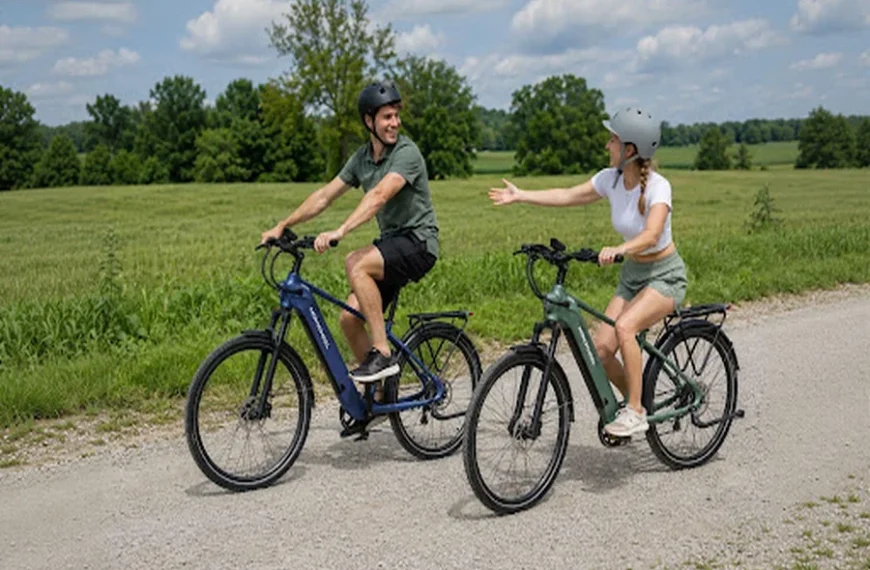
An electric bike can make daily commuting easier while opening up more opportunities for weekend outdoor rides. However, choosing a model that works well in both situations requires more than comparing motor power or advertised battery range.
Road conditions, riding comfort, battery capacity, and transportation needs all influence which e-bike makes the most sense. For buyers who want one bike for different activities, understanding these factors can help avoid spending money on features they rarely use.
Start With Your Everyday Riding Needs
The first step is identifying how the bike will be used most often.
For city commuting, a manageable frame, comfortable riding position, and smooth pedal assistance are usually more valuable than maximum motor output. Frequent stops, traffic lights, and paved bike paths make predictable handling particularly important.
Weekend riding may involve longer distances, hills, gravel paths, or carrying additional gear. These conditions can make battery capacity, suspension, and tire selection more important.
When comparing ebikes for sale, consider whether the bike can comfortably handle both situations. Mokwheel’s Tarmac, for example, focuses on everyday commuting, while the Basalt ST 2.0 offers a wider-tire configuration for mixed-surface riding.
The better option depends on how frequently the rider travels beyond paved roads.
Is a Fat Tire E-Bike Worth Considering?
Tire width makes a noticeable difference in how an electric bike handles different surfaces.
A fat tire ebike uses wider tires that can provide additional cushioning and traction on gravel, dirt paths, and uneven ground. This makes the category appealing to riders who want to combine weekday transportation with recreational outdoor riding.
For example, the Mokwheel Basalt ST 2.0 uses 26-inch by 4-inch tires, an adjustable front suspension fork, and hydraulic disc brakes. These features support riding across paved roads and light trails without requiring a separate bike for each activity.
However, wider tires and more substantial components can increase overall weight. Riders who primarily travel on smooth pavement may find a lighter commuter model easier to store, transport, and maneuver.
The decision should depend on actual riding conditions rather than assuming wider tires are always better.
Compare Battery Range, Motor Response, and Comfort
Battery range is important when one bike serves several purposes. A short weekday commute may require relatively little battery capacity, while a longer weekend ride can place greater demands on the system.
Advertised maximum range should be treated as a reference because terrain, rider weight, temperature, and pedal-assist level affect real-world performance.
Motor response also matters. Smooth assistance is useful in stop-and-go traffic, while stronger torque can help riders manage hills and additional cargo.
Comfort should be evaluated alongside performance. Frame geometry, saddle position, suspension, and handlebar reach all influence how a bike feels during extended rides.
A practical e-bike should provide enough performance for the most demanding routes without becoming unnecessarily heavy or difficult to handle during everyday use.
Think About Storage, Maintenance, and Ownership Costs
An e-bike that performs well on the road also needs to fit the owner’s daily routine.
Before purchasing, consider whether there is enough storage space at home and whether the bike must be carried upstairs or transported by car. Heavier models may require a specialized bike rack.
Regular maintenance is another consideration. Tires, brake pads, chains, and batteries can all require attention over time. Checking warranty coverage and replacement-part availability can help prevent unexpected ownership costs.
Buyers should also confirm the bike’s applicable riding classification and local trail-access rules, particularly when planning to use the same model for commuting and outdoor recreation.
Make Black Friday Savings Part of the Buying Decision
For riders already planning a purchase, Mokwheel’s black friday ebike offers provide an opportunity to compare seasonal bike discounts and accessory packages before making a final decision.
The advertised discount should not outweigh practical considerations such as battery capacity, comfort, warranty coverage, and total purchase cost.
Find the Right Balance for Everyday and Weekend Riding
Choosing one electric bike for multiple purposes is about finding the right balance rather than maximizing every specification.
A lightweight commuter model may suit riders who spend most of their time on pavement, while a wider-tire model can offer additional versatility for occasional gravel paths and outdoor routes.
By prioritizing everyday usability, realistic battery range, and suitable riding components, buyers can choose an e-bike that makes both regular transportation and weekend adventures more convenient.
Summary: Learn how to choose an e-bike for weekday commuting and weekend adventures, with practical advice on tire selection, battery range, handling, storage, maintenance, and Black Friday buying opportunities.


