

Many truckers would agree that driving a rig for a living used to be simple. If you owned your truck, you kept your overhead low, fixed your own engine problems, and made a solid living.
That reality is different now. Many factors have made the haulage business nearly unrecognizable in recent times. These changes happen so quickly that many don’t even know how to keep up. Yet, without understanding these latest developments, your future in this space might be in jeopardy.
To see how these changes play out daily, keeping up with haulage updates is essential for drivers trying to survive. Here is how the industry is changing for drivers, brokers, and operators.
1. Strict Federal Enforcement Is Shrinking the Driver Pool
Federal enforcement is nothing new to the trucking industry. Although harsh, drivers and operators have always managed to power through challenging regulations. However, times have changed, and the Federal Motor Carrier Safety Administration (FMCSA) is not letting anything slide.
For years, big carriers handled driver shortages by running cheap CDL schools and getting new people on board. That pipeline is shutting down quickly. Hundreds of CDL training programs have lost their licenses after federal audits caught them skipping required instruction.
Also, thousands of drivers are being removed from the road every single month through the federal Drug and Alcohol Clearinghouse. State troopers at weigh stations are also cracking down hard on logbook errors and enforcing strict English proficiency rules. Staying up to date with current trucker news helps you identify the necessary requirements for operating in these capacities legally.
2. Running Costs are Crushing Independent Truckers
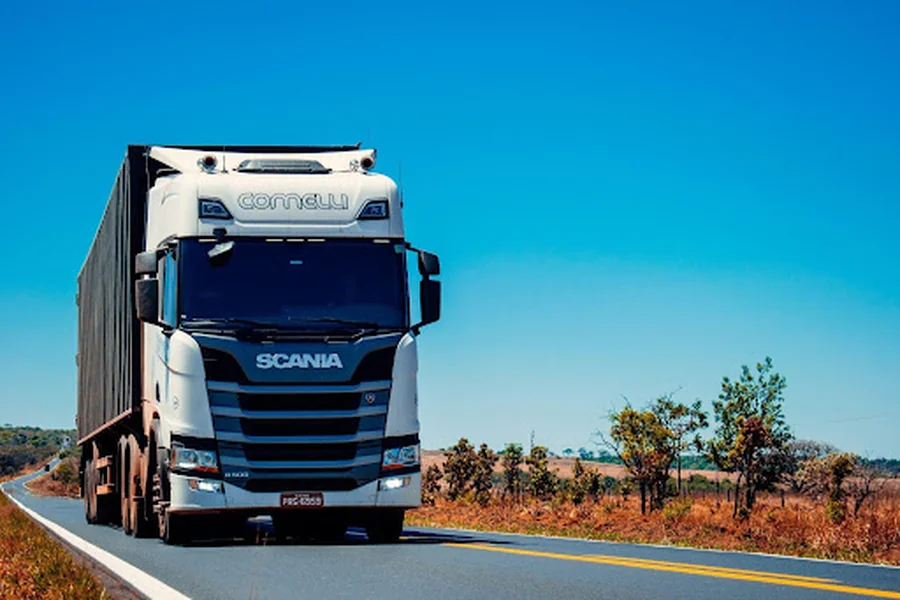
If you own your truck, keeping it on the road is more expensive than decades ago. According to recent industry data, non-fuel operating costs such as truck loans, insurance, and repair parts have hit record highs. You get less value for money these days.
Likewise, insurance alone is beating down small operators. As juries keep awarding multi-million-dollar verdicts against trucking companies involved in crashes, insurance rates keep skyrocketing to cover their risk.
Buying a new truck is nearly impossible for most independent drivers due to high prices and brutal interest rates. Since they can’t afford new rigs, drivers have to run older trucks longer and pay exorbitant fees to maintain them. When a dreaded freight rate drop happens, owner-operators are left with almost zero profit margin after paying for diesel, maintenance, and insurance.
3. Constant Cameras and Sensor Surveillance
Being a trucker is not what it used to be. The idea of the trucker as a free agent on the open highway is long gone. Modern semi-trucks come with electronic logging devices (ELDs), speed limiters, and engine sensors that stream real-time data back to dispatchers. It feels like being under surveillance every second.
Worse for driver morale is the rise of AI-powered dash cameras. These dual-facing cameras watch the road outside and the driver inside. For example, if a driver looks down at a cup holder, yawns, or checks a phone, an automated voice barks an alert inside the cab and sends a video clip to the safety office.
Fleet managers love these systems because they lower insurance costs, helping them keep more money in the long run. However, it is a driver’s nightmare; they dislike feeling like they are living in a mobile surveillance booth.
4. Freight Fraud Is Stealing Drivers’ Paychecks
Freight scams are a menace to the trucking world. Digital load boards were supposed to make finding work easy, but they have encouraged fraud.
Criminals hack into online load systems, steal the business identities of real trucking companies, and pretend to be legitimate brokers. They take a load from a shipper, hire an unsuspecting owner-operator to haul it, and then vanish with the payment once the truck drops off the cargo. The driver gets left holding the bill for diesel and time spent, with zero pay.
As a result, platforms are rolling out multi-factor logins and mandatory ID checks. At the same time, the FMCSA is under pressure to raise financial bond requirements for brokers. Today, verifying that a load or client is real is just as important as hauling it.
5. Pressure to Go Electric

State government mandates are pushing hard for zero-emission trucks, especially in places like California. However, the reality on the highway doesn’t match this ambition yet.
Operators are slowly integrating electric trucks by using them for short local runs. They use them for moving containers around ports or doing city deliveries where the rig returns to a charging dock every night.
For long-haul drivers crossing three states in a shift, electric semi-trucks are not yet the ideal vehicle. Their battery packs are too heavy, which cuts into the weight of actual cargo a truck can carry. Charging stations built for heavy trucks do not exist along rural interstates, and sitting around for hours to charge eats up driving time.
For that reason, alternative fuels like renewable natural gas, hydrogen, and clean diesel-hybrids are being pushed instead. Since these clean trucks cost a fortune, independent drivers worry about being priced right out of the market.
Bottomline
Truckers today have to worry about steering a giant rig while operating under heavy government rules. The drivers and owner-operators who are surviving this market shift are those who treat their vehicle like an office, tracking every penny of operating costs, and using data to make smart decisions on the road.
Modern trucking is a clear example of how technology, high costs, and regulation can quickly reshape an entire workforce. Not only are these new developments changing the current landscape, but they are also shaping the future. Only those who learn how to navigate these changes early will stay relevant for long.


