
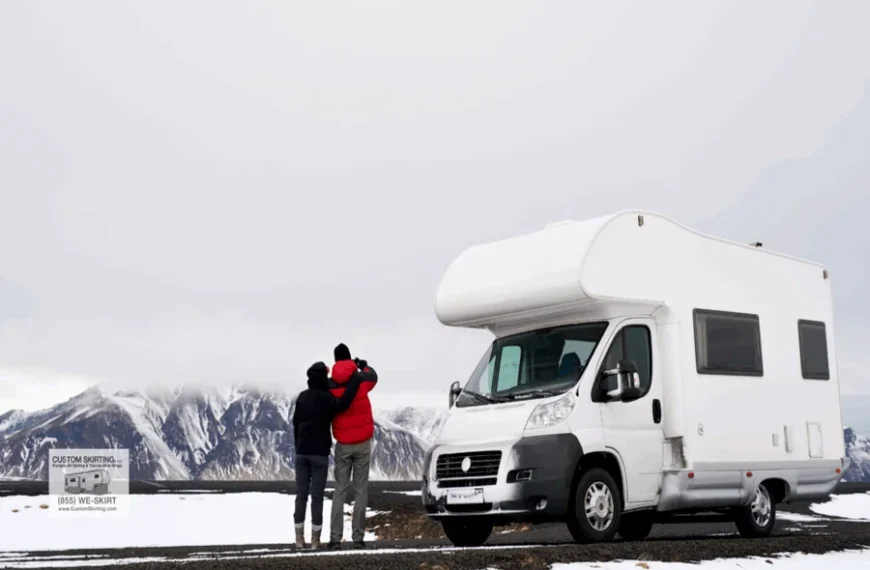
Whether you’re storing your RV for the winter or moving it to a new location, proper preparation is key. Winterizing your RV and preparing it for transport are crucial steps to avoid costly damage from freezing temperatures, moisture, and wear and tear. This checklist will help you get your RV ready for both seasonal storage and relocation, ensuring it stays safe and secure until spring. Plus, understanding shipping costs is an important part of the process to ensure you’re fully prepared.
1. The pre-prep stage: cleaning and inspecting the RV condition
Before moving the RV into storage or handing it over for RV trailer shipping, a thorough cleaning and inspection are mandatory. This preparation not only makes the unit less attractive to pests but also establishes the current RV condition for documentation and insurance.
- Exterior: Wash away all dirt, road salt, and debris. This prevents corrosion that can damage paint and seals during extended storage or transport.
- Interior: Vacuum floors, wipe surfaces, and disinfect all storage areas. Remove any food items or crumbs that could attract rodents or insects during RV seasonal downtime.
- Detailed Inspection: Check the roof, seals, and body for any cracks, rust, or leaks. Documenting the pre-transport RV condition with photos is crucial for insurance purposes.
2. Winterizing your systems
Winterization is the most important step for protecting your recreational vehicle transport investment against cold-weather damage.
- Water Systems: Drain all water lines, tanks (fresh, grey, black), and the water heater completely to prevent freezing and bursting pipes. Add approved RV antifreeze to the plumbing system for added protection.
- Battery: Disconnect the house and chassis batteries to prevent draining. If possible, remove them and store them in a warm, dry place, charging them periodically.
- Fluids: Check and top off engine oil, coolant, and transmission fluid. Use fuel stabilizer in a partially filled fuel tank to prevent corrosion and varnish buildup over the RV’s seasonal duration.
3. RV trailer shipping preparation
If you are arranging transport (rather than self-driving), specific steps must be taken to ensure safety and prevent damage during transit.
- Security: Lock all doors, windows, and storage compartments. Secure slide-outs, awnings, and any exterior accessories.
- Valuables: RV trailer shipping requires removing all personal items and valuables. Carriers are not responsible for belongings left inside. Clear out electronics, jewelry, and anything that could shift or spoil during the storage transport.
- Dimensions: Verify your RV’s exact weight, height, and dimensions. This information is vital for the carrier to ensure route compliance and safety for the recreational vehicle transport.
4. Evaluating shipping costs and quotes
Determining the shipping costs for your RV trailer shipping is a key part of your budget planning. Factors like distance, size, transport type (flatbed vs. driveaway), and seasonal demand all affect the price. Comparing prices helps you make the most informed decision.
Before you book, make sure you perform a thorough vehicle transport price comparison here: vehicle transport price comparison.
The best strategy is to gather multiple quotes. Using a platform like Compare The Carrier simplifies the process, allowing you to assess rates from various qualified auto transport providers quickly.
5. Final checks and documentation
The last steps involve securing the RV for movement and ensuring your documentation is for the RV seasonal change.
- Tires: Inflate tires to the manufacturer’s recommended pressure. For long storage transport, you may use tire blocks or lift the RV to prevent flat spots. Also, use tire covers to protect them from UV damage.
- Exterior Protection: If storing outdoors, use a high-quality, weather-resistant cover to guard against snow, ice, and wind.
- Insurance: Review your policy to confirm specific RV shipping coverage for in-transit damage or while the unit is in long-term storage.
- Quote Process: Once prepared, get your RV shipping quote to finalize your budget. This quote will reflect the size, weight, and ready RV condition you verified: get your RV shipping quote.
By following this checklist, you protect your investment, minimize potential repair costs, and ensure your RV remains in excellent condition throughout storage and transport.


