
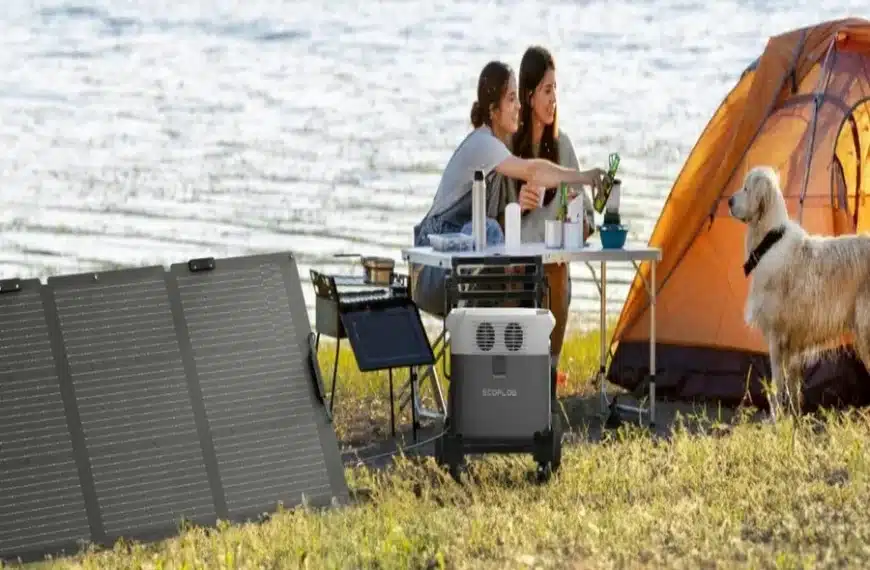
Long camping trips are more enjoyable without power disruptions. A continuous power source keeps food fresh, lights on, and devices charged. In this scenario, two batteries make all the difference. This strategy allows outdoor enthusiasts to explore without sacrificing comfort. With the right dual battery, you may stay in nature while meeting your power needs. Let’s examine how this arrangement affects camping.
What Is a Dual Battery System and Why Do Campers Use It?
How a Dual Battery System Works
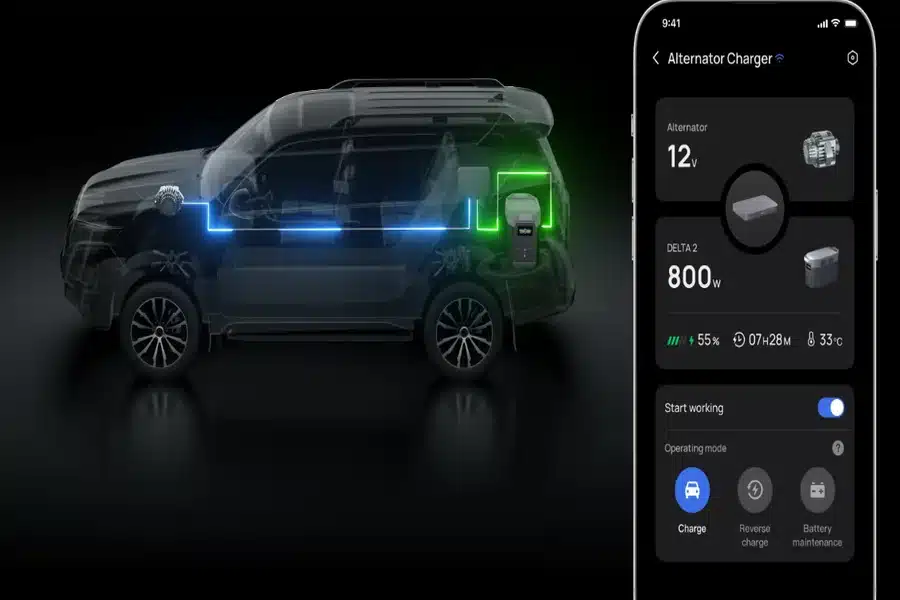
A dual battery system in a car consists of two independent batteries, one for starting the engine and the other for powering accessories. When the engine is running, an isolator ensures that both batteries charge concurrently. Once the engine is turned off, the mechanism disconnects the starting battery to safeguard it, leaving just the auxiliary battery to power equipment. This configuration assures that you do not exhaust the primary battery when using electronics. You can run a refrigerator, lights, or a fan individually. The ultimate result is more off-grid power without compromising the ability to start your car.
Key Benefits for Off-Grid Camping
The primary benefit of a dual battery system is peace of mind. You may use vital equipment, such as a refrigerator or heater, without concern of damaging your starting battery. It also improves battery health because the load is distributed between two units. Longer travels provide higher energy capacity and the possibility to recharge via solar panels. Many campers like the ability to add inverter power for laptops and other electronics. Overall, this technology promotes a more pleasant, technologically advanced outdoor experience while reducing the danger of power-related outages.
Which Appliances Can You Power with a Dual Battery Setup?
Powering Fridges, Lights, and CPAP Machines
A properly installed dual battery system can run portable refrigerators, LED lighting, and CPAP machines overnight. Refrigerators consume steady but low amounts of electricity, making them excellent for extended use. LEDs use less energy and last for days without draining the auxiliary battery. Medically relevant CPAP machines can operate continuously with the appropriate inverter and battery size. These fundamentals make remote campsites comfortable and livable. This setup is ideal for people who need consistent electricity for comfort and convenience.
Running Small Kitchen Appliances
A dual battery setup can handle small kitchen appliances for short durations, making off-grid living more comfortable. Devices like electric kettles, portable coffee makers, and small blenders typically require 300–1000 watts, so a quality inverter and a high-capacity battery are essential. While these appliances draw significant power, they are used in short bursts, making them suitable for dual battery systems if managed properly. Always check the wattage rating of your appliance and ensure your inverter can handle the surge load. For frequent use, consider energy-efficient models to reduce battery drain and extend your off-grid runtime.
Charging Phones, Laptops, and Drones
Modern campers bring tech gadgets like smartphones, laptops, and drones, all of which need charging. A Dual battery system ensures you don’t have to sacrifice connectivity or creativity. USB ports and DC sockets are connected to the auxiliary battery for safe and segregated charging. With an inverter, you can also power an AC-powered laptop. Drone batteries with higher power can also be supported. You maintain control, whether you’re communicating with relatives or recording drone video. No more battery worry when traveling or working in distant areas—just steady, dependable electricity on demand.
How to Choose the Best Dual Battery System for Your Needs
Battery Types: AGM vs. Lithium
AGM batteries are cost-effective, spill-proof, and dependable under modest loads. They’re suitable for casual campers and modest setups. However, they are heavier and have less usable capacity. Lithium batteries, while more costly, are lighter, charge faster, and last longer. They produce deeper discharges, resulting in more useful energy per charge. Campers who use power-hungry equipment or spend lengthy periods of time away from the grid will benefit the most from lithium choices. The decision is based on your camping style, budget, and energy requirements. Understanding the differences allows you to choose a method that works well in your individual camping setting.
Sizing Your System Based on Power Needs
Make a list of all the items you wish to operate, together with their daily amp-hour power consumption. To determine the amount of the auxiliary battery, add up the numbers. Consider how frequently you’ll charge—via automobile or solar. A 100Ah battery may be enough for light use. Heavy-duty applications may demand 200Ah or more. The current draw should also influence wire and fuse sizes. Proper planning reduces power outages and improves system performance. Well-sized systems lessen compromises and make camping more enjoyable and relaxing.
Conclusion
Camping with dual batteries is more pleasurable, safer, and lasts longer. Separating your vehicle’s starting requirements from power-hungry equipment provides you with control and peace of mind. The appropriate setup is suitable for keeping food cold or charging your drone. With proper planning and equipment, you can power your journey securely. Purchasing a dual battery solution allows you to explore more and stay longer while keeping essential equipment running properly.


