
Prep Work For A Sparkling Couch
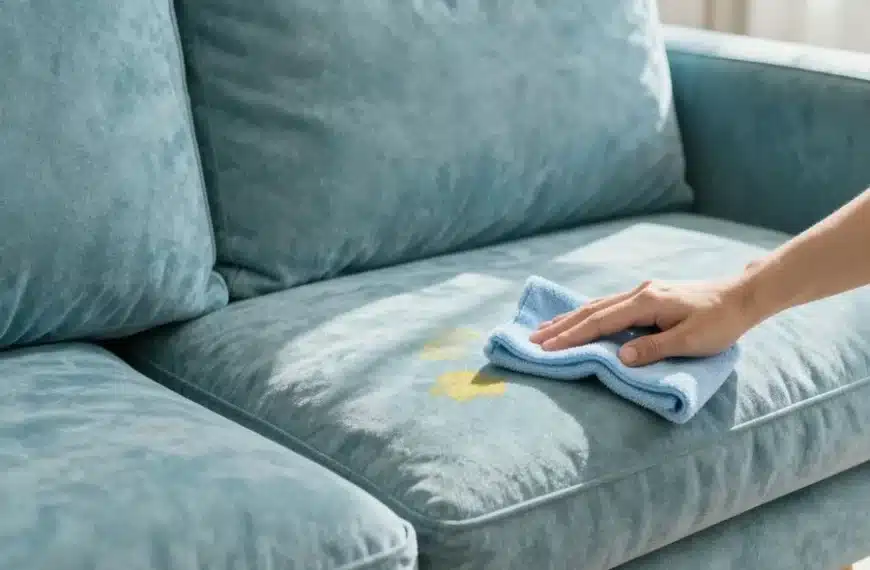
Before you even think about scrubbing, let’s get your couch ready for its makeover. This is all about setting the stage for a truly refreshing a worn-out couch experience. First things first, you need to figure out what kind of fabric your couch is made of and what cleaning methods it can handle. Look for a tag, usually on the underside or a side seam, that has a cleaning code. These codes are super important – they’re like a secret language telling you if you can use water, special solvents, or if you should just stick to vacuuming. Don’t skip this step, or you might end up with a bigger mess than you started with! Once you’ve decoded your couch’s needs, it’s time to get out the vacuum. Seriously, go at it with all the attachments. Get into every nook and cranny, under the cushions, along the seams – everywhere. You’d be amazed at how much dust, crumbs, and pet hair can hide in there. This initial vacuuming is key to removing loose debris so you’re not just pushing dirt around later. And hey, if your couch has removable cushions, take them off! Give them a good shake outside if you can. It’s like giving your couch a little spa treatment before the main event.
Tackling Those Pesky Spots
Gentle Blotting For Small Stains
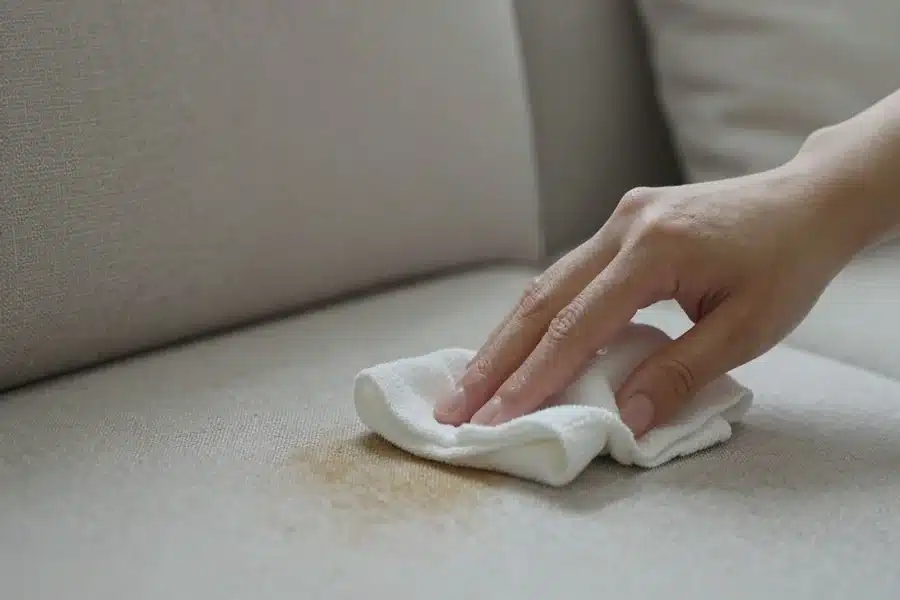
Okay, so you’ve done the vacuuming and maybe even taken off the cushions. Now it’s time to deal with those little oopsies – the coffee spill from last Tuesday, the mystery smudge on the armrest. For those smaller, everyday kind of stains, the key is to be gentle. Grab a clean, soft cloth – think microfiber or an old, soft t-shirt. You want to blot, not rub. Rubbing can actually push the stain deeper into the fabric or even spread it out, making it look worse. Mix up a super simple solution: a few drops of mild dish soap (like Dawn, the clear stuff is usually best) with some cool water. Dip your cloth in, wring it out so it’s just damp, and gently dab at the stain. Work from the outside of the stain inward. This helps keep it contained. After blotting, you can use a dry part of the cloth to soak up any extra moisture. Always, always, always test any cleaning solution on a hidden spot first, like the back or underneath a cushion. You don’t want to find out your DIY cleaner makes the fabric fade right in the middle of the couch, right?
When To Call In The Pros (Or A Special Cleaner)
Sometimes, you run into a stain that just won’t budge with your gentle blotting. Maybe it’s an old ink stain, a pet accident that’s really set in, or just something you can’t quite identify. Before you panic and start scrubbing with whatever you have under the sink, take a breath. First, double-check that cleaning code on your couch tag. If it says ‘S’, that means you need a solvent-based cleaner, and water-based stuff will just make a mess. If it’s ‘W’ or ‘WS’, you’ve got more options. For really stubborn spots, you might need to break out a dedicated upholstery cleaner. There are some great ones out there specifically designed for fabric furniture. Read the labels carefully and follow the instructions to a T. If you’re dealing with something truly epic, or if your couch is made of a delicate material, it might be worth calling in a professional upholstery cleaner. They have the equipment and the know-how to tackle tough jobs without damaging your furniture. It’s better to pay a little extra than to ruin your couch, you know?
The Magic Of Baking Soda
Okay, so your couch might be looking a little… lived-in. Maybe it smells a bit like last week’s pizza or that dog you love but who sheds like crazy. Don’t worry, we’ve got a secret weapon that’s probably already in your pantry: baking soda. This stuff is seriously amazing for tackling odors. You just want to give your couch a good, generous dusting of baking soda. Really get it in there, especially on those spots that get the most action, like the arms or where people tend to plop down. Let it hang out for at least half an hour – longer is even better if you can manage it. Think of it as a little spa treatment for your sofa. It works by absorbing all those funky smells that have settled into the fabric. Once it’s done its job, you’ll need to get rid of it. That’s where your vacuum cleaner comes back into play. Use the upholstery attachment and go over the entire couch, making sure to suck up all that baking soda. It’s like magic – the odors should be significantly reduced, if not totally gone. It’s a simple step, but it makes a huge difference in how fresh your couch feels and smells.
DIY Cleaning Solutions That Work
Sometimes, you don’t need fancy store-bought cleaners to get your couch looking spick and span. You can whip up some pretty effective stuff right in your kitchen! It’s kind of like a science experiment, but way more useful.
Whipping Up A Water-Based Wonder
For a general all-purpose cleaner that’s gentle on most fabrics (but always check that tag first!), you can mix up a simple solution. Grab a clean spray bottle and pour in about two cups of distilled water. Then, add in two tablespoons of clear dish soap – the kind you use for washing dishes by hand. Finally, toss in two tablespoons of white distilled vinegar. Give that bottle a good shake to mix everything together. This combo is great for tackling everyday grime and light spills. Just remember, if your couch has a ‘W’ cleaning code, this is usually a safe bet.
Vinegar’s Cleaning Power
Vinegar is a bit of a superhero when it comes to cleaning. Not only does it help break down dirt and grease, but it’s also a natural deodorizer. If your couch has picked up some funky smells, a diluted vinegar solution can work wonders. You can use the same mixture as above, or even just a simpler blend of one part white vinegar to one part water in a spray bottle. Spray it lightly onto the fabric, let it sit for a bit, and then blot it dry. The vinegar smell usually fades as it dries, leaving your couch smelling much fresher.
Spot Testing Your Solution
Okay, this is super important, so don’t skip it! Before you go spraying your DIY concoction all over your couch, you absolutely need to do a spot test. Find a hidden area – maybe the back of the couch near the bottom, or under a cushion flap. Spray a little bit of your cleaning solution there and gently blot it with a clean, white cloth. Let it dry completely. Check the cloth for any color transfer from the couch fabric. Also, look at the spot you tested to make sure there’s no discoloration or damage to the material. If everything looks good, you’re probably in the clear to clean the rest of your couch. If you see any issues, it’s best to try a different method or consult a professional.
Deep Cleaning Your Fabric Sofa
Wiping Away Grime With Care
Alright, so you’ve tackled the initial prep and maybe even zapped some specific spots. Now it’s time to really get into the nitty-gritty of cleaning a fabric couch. This is where you give your sofa a proper refresh. For a general wipe-down, you can whip up a simple DIY couch fabric cleaner. A good mix is usually two cups of distilled water, a couple of tablespoons of clear dish soap, and the same amount of white distilled vinegar. Just make sure your couch’s cleaning code allows for water-based solutions before you go spraying this everywhere. Lightly spritz the fabric until it’s just damp, not soaked. Then, grab a clean, lint-free cloth and gently wipe down the surface. You’re essentially lifting away the day-to-day grime. This method is a solid way to clean fabric sofa by hand and is a great step in upholstery care tips for fabric furniture.
Using a Steamer for a Deeper Clean
If you’re looking for the best way to deep clean a sofa and want to go beyond a simple wipe-down, a steamer can be a game-changer. Before you start, always, always check your manufacturer’s instructions to make sure your fabric is steam-safe. Heat can sometimes cause issues even if the fabric is water-safe. Once you’ve confirmed it’s okay, give your sofa a good vacuum first, especially if you’re trying to remove pet hair from couch. Then, follow the steamer’s manual carefully. Keep the room well-ventilated by opening windows or using a fan. It’s super important to spot test an inconspicuous area first. You don’t want to end up with a bigger mess than you started with! After steaming, let your sofa air dry completely. This might take a while, so plan accordingly.
When To Use Rubbing Alcohol
Rubbing alcohol is a bit of a secret weapon for certain types of cleaning a fabric couch, especially when you’re dealing with ink stains or want to tackle some tougher spots. It can also be surprisingly effective for how to remove pet hair from couch at home if you find some stubborn strands clinging on. Just pour a bit of rubbing alcohol into a spray bottle. Lightly mist the area you need to clean. You can then gently rub it with a soft-bristled brush or a clean cloth. The alcohol evaporates quickly, which helps prevent water rings and allows the fabric to dry faster. Remember, even with alcohol, it’s wise to do a quick spot test on a hidden part of your sofa first, just to be safe. It’s a handy trick for how to remove stains from upholstery when other methods seem to fall short, and it’s a great way to clean fabric sofa naturally in a pinch.
The Final Touches For Freshness
Letting Your Couch Breathe: Air Drying
Alright, so you’ve done the hard work – the vacuuming, the spot treating, maybe even a whole-couch clean. Now comes the part where you just have to be a little patient. Your couch needs to dry completely before you can really enjoy it. Think of it like letting a good meal rest before you cut into it. You want to open up some windows, maybe even point a fan towards the sofa, just to get some good air circulation going. This helps things dry faster and also gets rid of any lingering damp smells. Don’t rush this part; a properly dried couch is a happy couch.
Preventative Measures For Lasting Cleanliness
Now that your couch is looking and smelling great, let’s talk about keeping it that way. It’s way easier to prevent a mess than to clean one up later, right? Consider using some fabric protector spray. It creates a sort of shield against spills and dirt, making future cleanups a breeze. Also, maybe try to keep food and drinks off the couch, especially in high-traffic areas. And don’t forget to give those cushions a good fluff now and then. It keeps them looking good and helps prevent dust from settling in too deep. A little bit of regular care goes a long way in keeping your couch looking fresh for ages.
You Did It!
So there you have it. Your couch is probably looking and smelling way better now. It might have seemed like a big job at first, but you tackled it, and now you can actually relax on it without noticing all those little spots or that faint musty smell. Give yourself a pat on the back. Keeping it this way is just about doing a quick vacuum now and then and dealing with spills right away. Easy peasy.


