
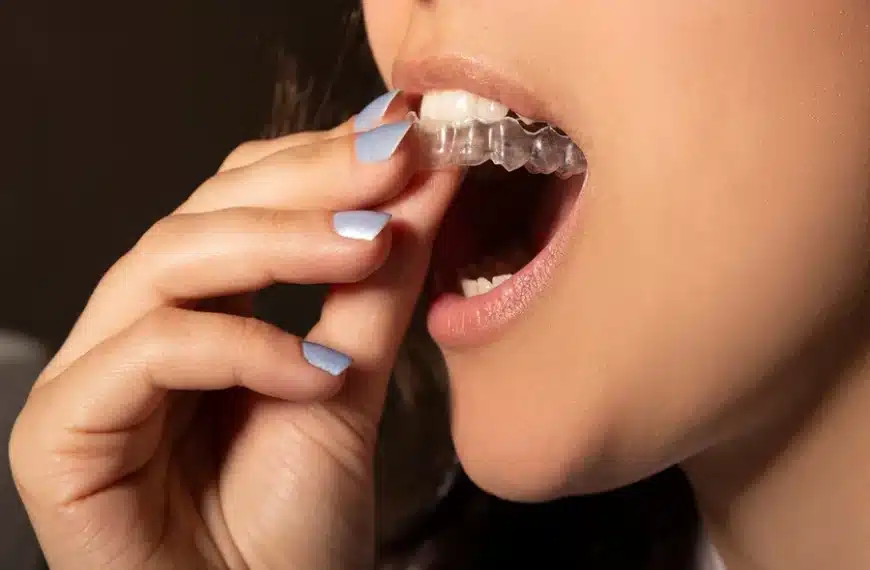
Maintaining good oral hygiene is critical for everyone, but when it comes to orthodontic appliances like retainers, the stakes are even higher. Retainers are essential for maintaining the positioning of your teeth after orthodontic treatment, yet they can also be a breeding ground for bacteria if not cared for properly. Understanding how bacteria accumulate and implementing daily habits to combat this can make all the difference in your oral health.
The Importance of Hygiene for Retainers
Retainers, whether fixed or removable, are typically made from plastic or acrylic, materials that can easily trap food particles, saliva, and bacteria. Over time, neglecting proper hygiene can lead to unpleasant odours, unsightly stains, and even potential health issues like gum disease. The presence of harmful bacteria on retainers can affect not just your dental health but also your overall wellbeing.
So how can you avoid this scenario? Here are some daily habits and methods to prevent bacteria buildup on retainers.
Develop a Cleaning Routine
One of the most effective ways to maintain your retainers is to establish a consistent cleaning routine. Just as you brush and floss your teeth daily, your retainers need attention too.
- Daily rinse: Begin each day by rinsing your retainers with warm water. This simple step helps dislodge any debris and reduces the chances of bacteria developing. Avoid using hot water, as it can warp the material.
- Brush gently: Use a soft-bristled toothbrush dedicated solely to cleaning your retainers. A non-abrasive toothpaste can be used, but ensure it’s safe for orthodontic appliances. Brush gently to avoid scratching the surface.
For an in-depth look at cleaning methods, check out this guide on methods to prevent bacteria buildup on retainers, which outlines the best practices for keeping your retainer in top condition.
Avoid Eating with Your Retainers
It’s tempting to keep your retainers in while munching on snacks, but this can lead to significant issues. Food particles can become trapped, providing a feast for bacteria. Assure good habits by:
- Removing retainers during meals: Take your retainers out when you eat. This is crucial for preventing food from becoming ensnared in your appliances.
- Storing them properly: When your retainers are not in use, make sure they are stored in their case. This keeps them protected from dirt and potential damage.
Stay Hydrated
It’s important to remember that saliva plays a crucial role in oral health. Staying well-hydrated helps your body produce enough saliva, which naturally fights bacteria. Saliva contains antibodies and enzymes that help wash away food particles and keep your mouth clean. To maximise the benefits of saliva:
- Drink plenty of water: Aim for at least eight glasses of water each day. Staying hydrated not only benefits your entire body but also helps in the maintenance of your oral hygiene.
- Limit sugary drinks: Sugary beverages can contribute to the build-up of plaque and bacteria, so try to avoid these whenever possible.
Monitor Your Diet
What you eat can significantly influence the hygiene of your retainers. Some foods are better for your teeth than others, and being mindful of your diet can help in maintaining oral health.
- Limit sticky and sugary foods: Snacks like caramel, chocolate, or gummy candies can cling to your retainers and encourage bacteria growth. Opt for healthier options like fruits and veggies, which are less likely to stick.
- Incorporate bacteria-fighting foods: Foods rich in probiotics, such as yogurt, can help maintain a healthy balance of bacteria in your mouth. Incorporating more fresh fruits and vegetables can also support your overall oral health, promoting a cleaner environment for your retainers.
Regular Check-ups
Regular dental check-ups play a crucial role in maintaining good oral hygiene and identifying any potential problems early on. Discuss your retainer care with your dentist to ensure you’re following the best practices. They can offer personalised advice tailored to your specific situation.
- Professional cleanings: Consider having your retainers professionally cleaned at your dental visits. This can help remove any stubborn buildup that daily cleaning can miss.
- Ongoing communication: Don’t hesitate to ask your dentist about any concerns or questions you may have regarding your retainers and their maintenance.
Be Mindful of Your Retainers’ Lifespan
One often-overlooked aspect of retainer hygiene is recognising the lifespan of your retainers. Over time, they may become worn or damaged, harbouring more bacteria regardless of how well you clean them.
- Monitor for wear: Check your retainers regularly for signs of wear and tear. If they become cracked, warped, or discoloured, it’s time to discuss replacements with your orthodontist.
- Follow orthodontist’s advice: Make sure to adhere to the schedule provided by your orthodontist for wearing your retainers, as this will help to maintain the effectiveness of your treatment.
Conclusion
In summary, taking proactive steps to care for your retainers is essential for preventing bacteria buildup and ensuring your dental health. Establishing a cleaning routine, eating healthily, staying hydrated, and consulting with your dentist regularly will empower you to maintain a clean environment for your retainers. Moreover, being aware of the lifespan of your retainers can prevent issues before they arise.
By investing a little extra time and care into your retainer maintenance, you can save yourself from complications in the long run, allowing you to enjoy the benefits of your orthodontic treatment fully. Remember, a healthy mouth leads to a happy smile!


