
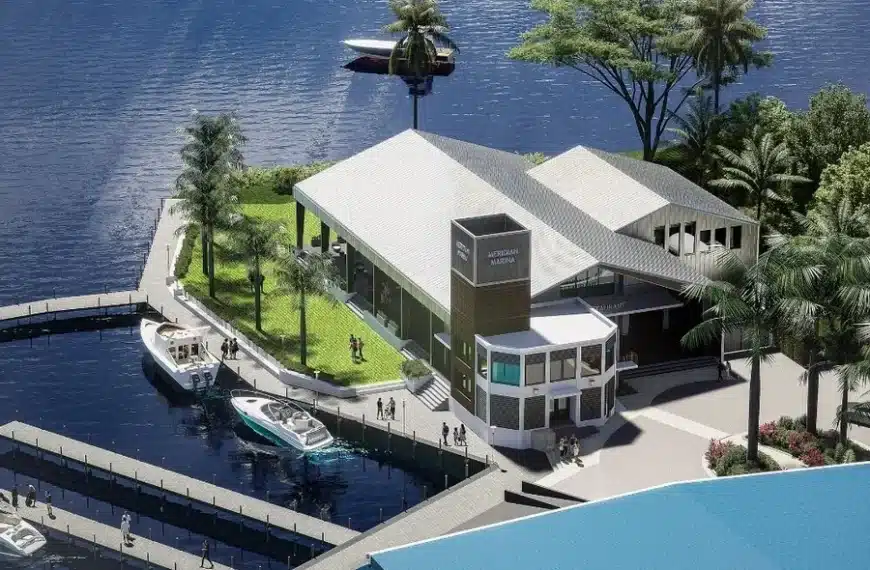
Owning a boat in Florida means endless access to water, but also a few practical challenges once it’s time to park for the season. Between humidity, hurricanes, and limited marina slips, finding a safe, affordable place for your vessel isn’t as simple as it used to be.
Why Boat Storage Is Changing in Florida
Florida consistently leads the nation in boat ownership, with over a million registered recreational vessels, according to the Florida Fish and Wildlife Conservation Commission. With that many boats in circulation, marinas and private docks can’t keep up. Urban growth along the coasts has limited expansion space, while rising insurance costs and new regulations have made waterfront slips more expensive.
The state’s weather adds another layer of complexity. Long stretches of high humidity create ideal conditions for corrosion and mold. The National Weather Service tracks an average of 60 to 70 thunderstorm days per year across much of Florida, which can take a toll on uncovered boats: NOAA – Florida Climate Overview. Choosing well-drained, secure outdoor boat storage near Fort Myers helps protect against both moisture and sudden storms.
The Appeal of Land-Based Storage
Land-based storage has quietly become a practical alternative to marina docking. Modern facilities are designed with wide lanes, gated access, and dedicated lighting for safety. Many also include security cameras, on-site staff, and digital entry systems so owners can check on their boats anytime.
Outdoor storage is especially useful for larger trailerable boats or seasonal use. It allows quick access to highways, launch ramps, and maintenance centers. For those in Southwest Florida, the ability to store close to the coast while avoiding high slip fees is a major advantage.
What to Ask Before You Book
- What type of access does the facility provide?
Some lots have 24-hour gate codes, while others limit hours for safety. Pick what fits your schedule and boating habits. - Is the property elevated or flood-resistant?
Fort Myers and nearby coastal communities can experience heavy rain or storm surge. A facility built above flood levels with proper grading and drainage keeps trailers dry and hulls clean. - How secure is it?
Look for full perimeter fencing, keypad entry, and camera monitoring. Ask about on-site staff or patrols, especially if you’ll be away for long periods. - Are service and cleaning access allowed?
Many owners want to wash, wax, or perform basic maintenance during the off-season. Some storage sites allow these services, while others require off-site work. - What are the lease terms?
Month-to-month options provide flexibility if you plan to travel or move the boat between marinas later in the year.
Cost and Convenience
Outdoor storage rates are typically lower than slip rentals, often by hundreds of dollars per month depending on location. With space at a premium, early reservations are important, especially from late fall through early spring when snowbirds and part-time residents arrive.
According to BoatUS, the national average for dry storage increased slightly in 2024 as more owners sought on-land parking for maintenance or weather protection: BoatUS – Dry Storage Insights. Florida facilities have followed that same curve but remain competitive compared to other coastal states.
Why Southwest Florida Stands Out
The Fort Myers area offers a balance of coastal access and inland protection. Boaters can store just minutes from ramps leading to Pine Island Sound or the Caloosahatchee River without paying waterfront premiums. Facilities that focus on outdoor boat storage near Fort Myers cater to both year-round residents and seasonal travelers looking for security during extended trips.
The best facilities maintain open lots with ample lighting and secure surfaces, making it easy to maneuver trailers without risk of damage. As demand grows, many are expanding to include RV and vehicle storage as well, giving boaters additional flexibility.
Final Thoughts
Boat ownership in Florida is about freedom and lifestyle, but smart storage is what keeps that freedom affordable. The trend toward land-based facilities reflects a broader shift in how boaters think about long-term care and convenience. By prioritizing safety, access, and weather protection, you ensure your boat stays ready for the next outing—whether it’s a weekend run to the islands or the first launch of spring.


