
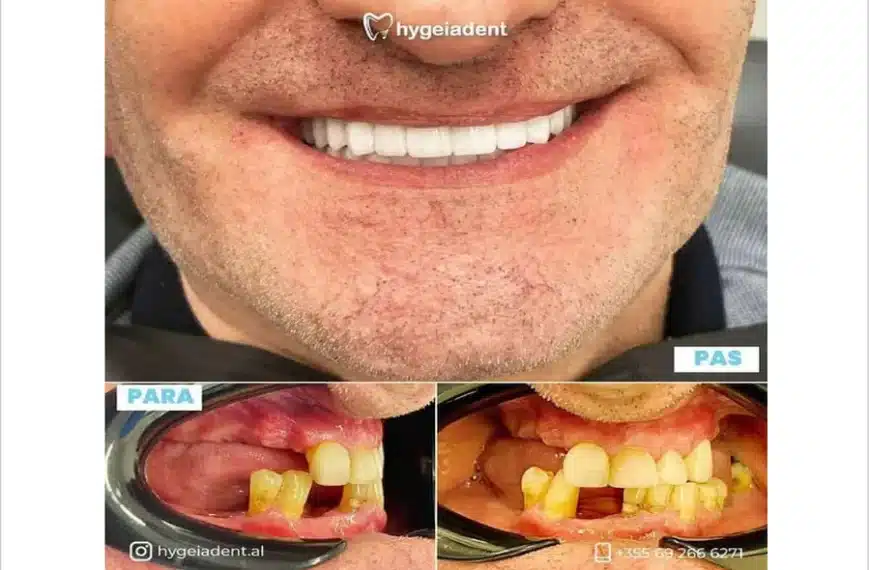
When most people think about oral health, they picture a bright smile, straight teeth, or fresh breath. While these are important, dentistry is about much more than aesthetics. Scientific research continues to show that oral health has a profound impact on overall well-being—affecting everything from cardiovascular health to emotional confidence.
Oral Health and the Heart
One of the strongest connections is between oral health and cardiovascular disease. Gum disease (periodontitis) has been linked to an increased risk of heart attack and stroke. The theory is simple: bacteria from inflamed gums can enter the bloodstream, causing inflammation in blood vessels and contributing to blockages.
Good oral hygiene isn’t just about protecting your teeth—it’s also an investment in heart health.
Diabetes and Oral Health: A Two-Way Street
The relationship between diabetes and gum disease is another overlooked health link. People with diabetes are more likely to suffer from gum infections due to reduced immune function. At the same time, untreated gum disease can make it harder to control blood sugar levels.
This creates a dangerous cycle—highlighting the importance of regular dental check-ups for people managing diabetes.

The Mind-Body Connection: Confidence and Mental Health
Beyond physical health, oral health also plays a major role in self-esteem and mental well-being. A smile is often the first thing people notice, and dental issues can lead to anxiety, social withdrawal, or even depression.
Restorative and cosmetic dentistry not only improve appearance but also restore confidence, helping people live fuller, more engaged lives.
Oral Health and Pregnancy
Pregnant women face unique challenges with oral health. Hormonal changes can increase the risk of gum disease, which in turn has been linked to premature birth and low birth weight. Preventive dental care during pregnancy is vital for both mother and child.
The Role of Preventive Dentistry
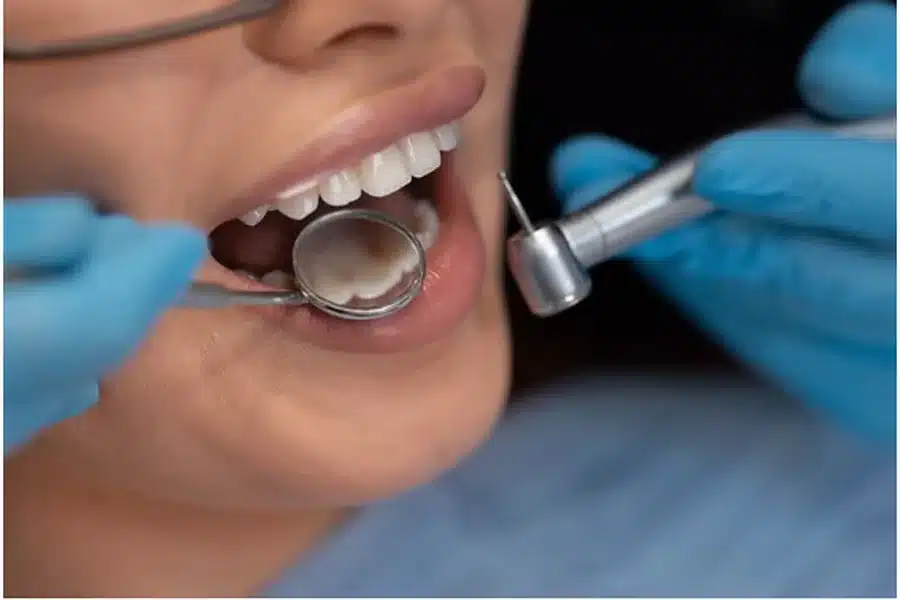
The good news is that preventive care is simple yet powerful. Brushing, flossing, routine cleanings, and early intervention can significantly reduce the risks associated with poor oral health. Modern clinics are also integrating technology like digital scans and minimally invasive procedures to make prevention even more effective.
Oral health is often seen as a cosmetic concern, but it plays a crucial role in overall well-being. Poor oral hygiene can lead to a range of health issues, from gum disease to heart disease. Bacteria in the mouth can enter the bloodstream, increasing the risk of systemic conditions like diabetes and stroke. Additionally, oral health impacts digestion, as proper chewing is essential for nutrient absorption. Mental health is also affected, with oral pain leading to discomfort and stress. Prioritizing oral health can prevent these complications, highlighting its importance in maintaining both physical and mental wellness.
Conclusion
A healthy smile is more than cosmetic—it’s a reflection of your overall health. From the heart to the mind, and even to life’s earliest beginnings, oral care touches nearly every aspect of human well-being.
Taking oral health seriously means investing not just in aesthetics but in longevity, confidence, and quality of life. Next time you book a dental appointment, remember—you’re not just caring for your teeth, you’re caring for your whole self.


