
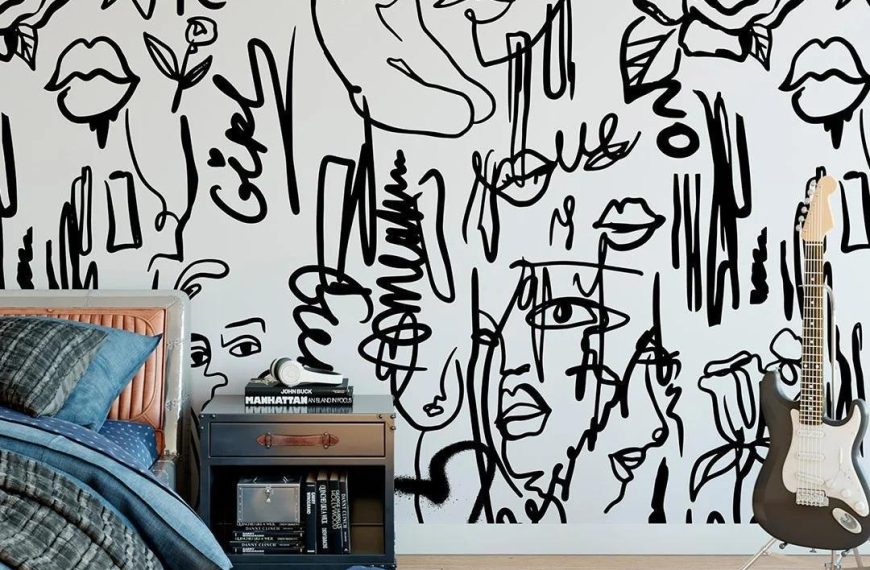
Masculine interior design has come a long way from black leather sofas and neon beer signs. Today it is about rich colors, natural materials, clean lines and spaces that feel personal and relaxed. The same principles apply whether you are decorating a teenage son’s bedroom or creating a den, home office or man cave for an adult.
This guide covers the key elements of masculine style and shows how to adapt them for every stage, from boyhood to grown-up retreat.
What Makes a Space Feel Masculine
There is no single rule, but most masculine interiors share a few traits:
- Deep, grounded colors such as navy, charcoal, forest green, oxblood and tobacco brown
- Natural materials like wood, leather, stone, wool and metal
- Strong, simple lines in furniture and decor
- Texture over ornament, with patterns that feel structured rather than delicate
- Functional design, where every piece has a purpose
These elements create spaces that feel calm, confident and comfortable, without being cold or sterile.
Start With the Walls
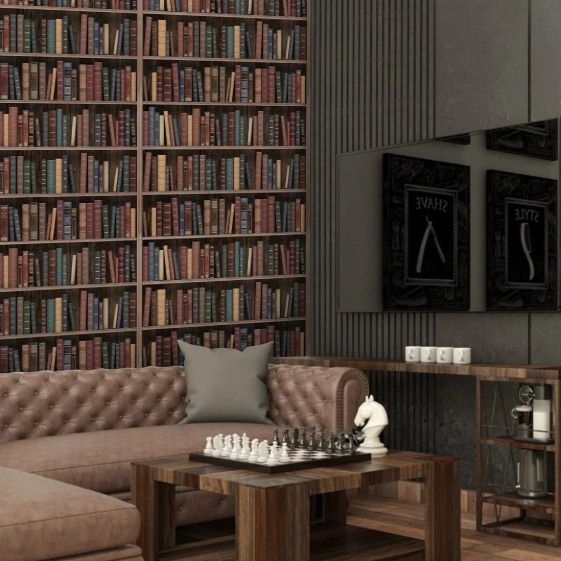
Walls set the mood for everything else. Dark paint is a classic choice, but patterned walls add far more character. Plaids, herringbone, pinstripes, faux leather, wood grain and vintage maps all bring a tailored, masculine feel.
Masculine wallpaper is an easy way to give a den or man cave instant personality. A dark plaid creates a classic gentleman’s-club atmosphere, a brick or concrete effect gives an industrial loft vibe, and a vintage map or sports-themed design adds a personal touch. One feature wall is usually enough, especially in a room with lots of furniture or a large screen.
Stage One: The Teen Boy’s Bedroom
Teenagers want a room that feels grown-up and reflects who they are. This is the perfect time to introduce masculine design elements in a fun, flexible way.
Instead of the cartoon themes of childhood, look for wallpaper for boys with a more mature edge: bold stripes, geometric patterns, mountain landscapes, camouflage, skateboarding or space designs in deeper tones. Peel-and-stick options are ideal at this age, since tastes change quickly and the wall can be updated without a full renovation.
Other tips for teen rooms:
- Create zones for sleeping, studying and relaxing or gaming
- Add plenty of storage so the room stays manageable
- Use display space for hobbies, collections and trophies
- Choose durable furniture that will last into the college years
- Let him personalize with posters, photos and lighting
Stage Two: The Young Adult Space
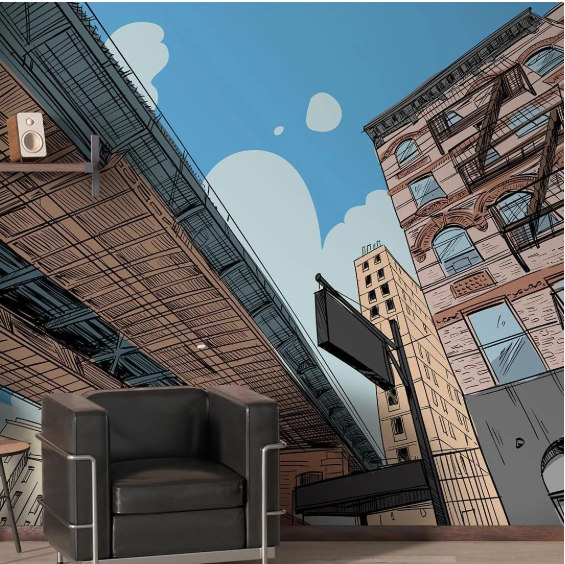
When a teenager becomes a young adult, the room often becomes a studio, a guest room or a first apartment. This is where masculine style gets more refined. Swap bright gaming colors for a calmer palette, invest in a quality bed frame and add a few grown-up pieces like a leather armchair, a good desk lamp and framed art.
The walls can evolve too. A navy, charcoal or deep green backdrop with subtle texture feels sophisticated and works with almost any furniture.
Stage Three: The Grown-Up Man Cave
A man cave is all about comfort and personality. It might be a basement lounge, a garage conversion, a home bar or a cozy study. Whatever its purpose, a few elements help it feel finished:
- Comfortable seating: a deep leather sofa, recliners or club chairs
- Statement walls: dark wallpaper, wood paneling or exposed brick
- Warm lighting: Edison bulbs, wall sconces and dimmable fixtures
- A focal point: a bar, fireplace, pool table or large screen
- Personal touches: vinyl records, sports memorabilia, vintage signs or a whisky collection
Choosing Materials and Furniture
Masculine spaces look best with honest materials. Solid wood furniture, metal frames, leather upholstery and wool textiles all age well and gain character over time. Avoid too many glossy finishes, which can feel cold.
When it comes to furniture, go for simple, sturdy shapes. Mid-century and industrial pieces work especially well, as do Chesterfield sofas and campaign-style chests.
Lighting Sets the Mood
Layered lighting makes any masculine space feel inviting. Combine an overhead fixture with table lamps, wall sconces and accent lights. Warm white bulbs around 2700K create a relaxed atmosphere, while task lighting near desks and reading chairs keeps things practical.
Keep It Balanced
The best masculine interiors are not dark caves. Balance deep colors with lighter elements such as cream textiles, natural light, plants and mirrors. This keeps the room welcoming rather than heavy, and makes it a space everyone enjoys spending time in.
Final Thoughts
Masculine interior design is about confidence, comfort and character. Whether you are decorating a teen’s bedroom or building the ultimate man cave, start with strong walls, add natural materials and finish with personal touches. With the right foundation, a space can grow and evolve with the person who lives there, from his first bedroom makeover to a grown-up retreat.


