
Tauranga buyers are asking more questions about methamphetamine residue before committing to a property. A positive result can affect health decisions, negotiations, insurance, and settlement timing, so buyers need to know what happens after testing. This guide explains how contamination is assessed, what professional cleaning involves, and which records to request before accepting a remediated home.
Why Buyers Need Meth Testing
Methamphetamine residue can remain on surfaces after consumption or production, even if a property looks clean and has no obvious odour. Residue can affect walls, ceilings, flooring, cabinetry, soft furnishings, and ventilation components, depending on how the property was used.
A buyer should treat testing as a property due-diligence step rather than a judgement about the previous occupants. A positive result does not explain the full extent of contamination by itself. It identifies the need for a proper assessment and a documented response.
Testing is particularly relevant when a property has a previous history of contamination, unexplained staining, strong chemical odours, or areas that have been repaired without supporting records. Ask for testing documentation, the locations tested, and any remediation reports before relying on a verbal assurance.
What Initial Testing Tells You
Initial testing establishes whether methamphetamine residue is present in the areas examined. The testing plan should match the property’s history and layout, since contamination is not always confined to the room where use or production occurred.
A useful report should identify the sampled locations and explain what the results mean for the next step. It should also distinguish between a screening result and a wider investigation, because a small number of samples cannot describe every surface in a house.
A buyer who receives a positive result needs clear information about the affected areas, cleaning method, and retesting plan. Guidance on meth decontamination and cleaning in Tauranga explains why trained cleaners assess surfaces, isolate work areas, remove contaminated materials, and check results after treatment. That process gives a buyer a practical basis for discussing repairs, timing, and settlement conditions with the seller.
What Decontamination Cleaning Involves
Here’s what a proper decontamination process should actually involve, from first assessment through to final clearance.
Assessment and Containment
Professional remediation starts with an assessment of the property and the surfaces that require treatment. The cleaning team identifies affected areas, considers porous materials, and sets controls to prevent residue from spreading into unaffected rooms.
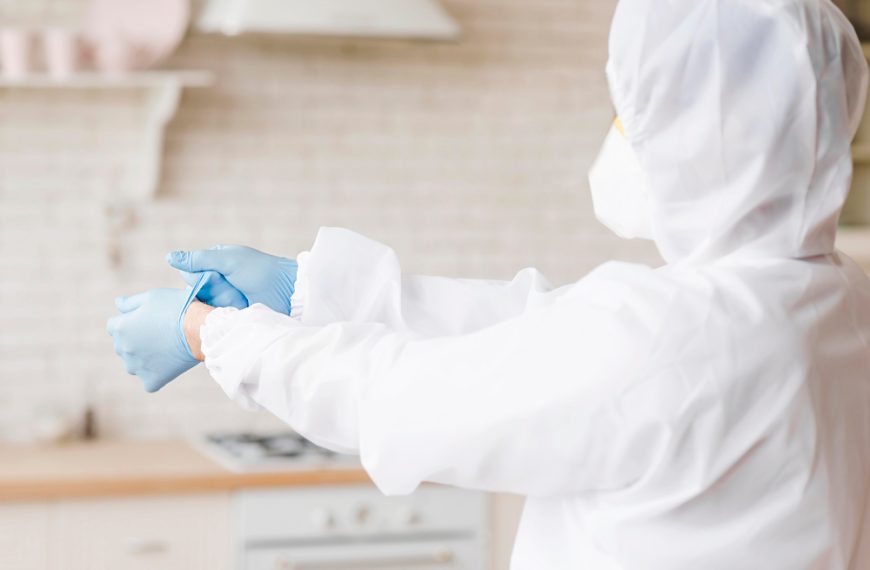
Containment separates the work area from the rest of the home. Personal protective equipment and controlled access reduce exposure during cleaning, while careful handling limits cross-contamination between rooms.
Cleaning and Material Removal
The cleaning method depends on the surface and the level of contamination. Hard, washable surfaces receive specialist treatment, while porous or heavily affected materials may require removal because residue can penetrate beyond the outer layer.
Common items requiring close assessment include:
- Painted walls and ceilings.
- Floor coverings and underlay.
- Kitchen cabinetry and benchtops.
- Heating, ventilation, and air-conditioning components.
A contractor should explain which materials will be cleaned, which will be removed, and how waste will be handled. That written scope helps prevent disagreement about what the quoted work includes.
Retesting and Clearance Evidence
Cleaning is not complete just because the property looks or smells better. Post-remediation testing checks whether treatment has achieved the required result in the areas identified during the assessment.
Ask for the testing records, the locations sampled, and the date of the follow-up work. The documents should connect the final results with the original affected areas, so a buyer can see what changed after remediation.
A clearance document or completion report also helps future owners understand the property’s history. Keep those records with the sale and maintenance documents, particularly if materials were removed or ventilation systems were treated.
What Buyers Should Check Before Settlement
Buyers should raise contamination concerns early, because cleaning and retesting can affect access to the property and the settlement timetable. A written request keeps the discussion clear and gives each party a record of what has been agreed.
Before settlement, check these practical points:
- Who arranged the testing and remediation?
- Which rooms, surfaces, and materials were included?
- Were contaminated materials removed and disposed of properly?
- Has post-remediation testing been completed?
- Are the reports available for review?
- What happens if follow-up results require more work?
A buyer should also confirm whether the sale agreement sets conditions about remediation, reports, or access. Legal and contractual advice is appropriate if the test result affects settlement or the parties disagree about responsibility.
Conclusion
Meth testing gives Tauranga buyers evidence about a property’s condition, while professional decontamination addresses the residue through assessment, containment, specialist cleaning, material removal, and follow-up testing. Request the complete testing and remediation records before settlement, and compare the final results with the original affected areas. A documented process lets you make a property decision based on evidence rather than appearance.


