
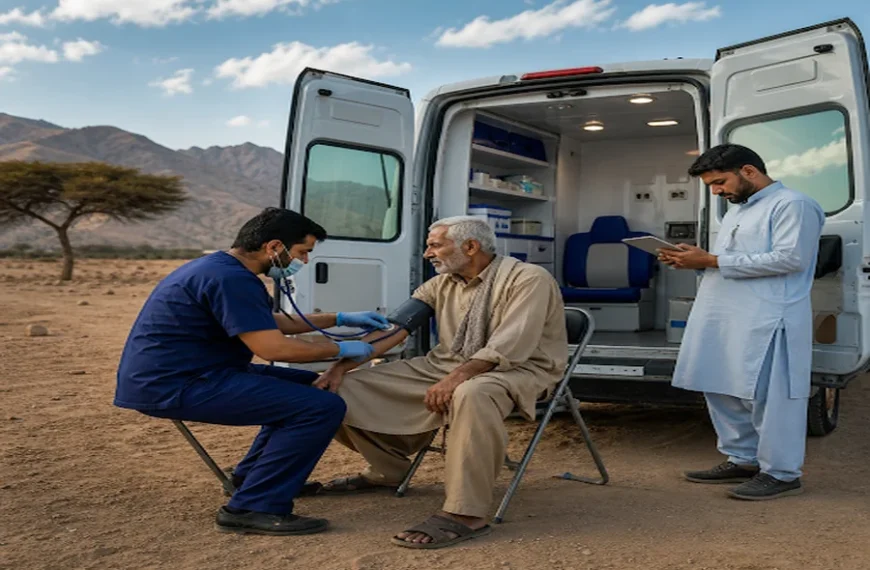
Healthcare access remains one of the most stubborn challenges facing rural communities, low-income urban neighborhoods, and populations without reliable transportation. Traditional brick-and-mortar clinics require patients to travel, wait, and navigate complex systems—barriers that prevent millions from receiving routine care, vaccinations, and screenings. Mobile medical units have emerged as a practical solution, bringing services directly to communities that need them most. These vehicles function as fully equipped clinics on wheels, capable of delivering everything from basic check-ups to specialized diagnostics in parking lots, community centers, and workplaces.
The Infrastructure Behind Mobile Healthcare
A mobile medical unit is far more than a van with a first aid kit. Purpose-built vehicles integrate examination rooms, diagnostic equipment, climate control, power generation, and medical-grade storage into a compact, road-worthy package. Interior layouts are designed around workflow efficiency, with dedicated zones for patient intake, examination, lab work, and medication dispensing. Electrical systems must support imaging equipment, refrigeration for vaccines and medications, and HVAC systems that maintain sterile conditions regardless of outside temperature.
The choice between new construction and retrofitting an existing vehicle depends on budget, timeline, and clinical requirements. New builds offer complete customization, allowing healthcare organizations to specify layout, equipment mounting, accessibility features, and branding from the ground up. Used vehicles provide a faster, more economical entry point, particularly when refurbished by specialists who understand medical compliance and vehicle safety standards. Organizations exploring this option often turn to fabricators who maintain inventories of new and used mobile medical vehicles, ensuring that units meet both DOT regulations and clinical operation standards before deployment.
Weight distribution is a critical but often overlooked factor. Medical equipment is heavy, and improper placement can affect handling, tire wear, and legal weight limits. Professional fabricators engineer chassis reinforcement, suspension upgrades, and equipment mounting systems that keep the vehicle balanced and roadworthy under full clinical load.
Program Models That Work
Mobile medical programs fall into several operational categories, each addressing different gaps in the healthcare delivery system. Screening and prevention units focus on early detection, offering mammograms, blood pressure checks, diabetes screenings, and vaccinations. These units often partner with employers, schools, and faith organizations to reach populations who skip regular check-ups.
Primary care units function as roving clinics, providing diagnosis, treatment, and prescription services. Staffed by nurse practitioners or physicians, they serve as the first point of contact for non-emergency care, reducing strain on emergency departments and urgent care centers. Specialty units target specific conditions or populations—mobile dental clinics, behavioral health units, and maternal health services, for example.
Corporate wellness programs increasingly deploy mobile units at job sites, manufacturing facilities, and distribution centers. On-site access eliminates the need for employees to take time off for routine care, improving both health outcomes and productivity. For industries with dispersed workforces—construction, utilities, and transportation—mobile clinics offer the only practical way to deliver consistent preventive care.
The Economics of Mobile Healthcare
The financial case for mobile medical units rests on two factors: capital efficiency and population reach. Building a traditional clinic requires real estate, construction, permitting, and long-term lease or ownership costs. A mobile unit compresses these expenses into a single vehicle purchase and ongoing operational costs—fuel, maintenance, staffing, and supplies. For organizations serving multiple locations or testing new markets, the mobility itself provides flexibility that fixed facilities cannot match.
Patient volume determines return on investment. A unit conducting 20 to 30 patient visits per day can generate enough revenue—through insurance reimbursements, grants, or fee-for-service arrangements—to cover operating costs and contribute to capital recovery. Scheduling efficiency matters: routing software and community partnerships help maintain high utilization by minimizing downtime between stops.
Grant funding often supports mobile health initiatives, particularly those targeting underserved populations. Federal programs, state health departments, and private foundations recognize mobile care as a cost-effective way to address health disparities. Organizations that structure programs around measurable outcomes—screenings completed, chronic conditions managed, emergency department visits avoided—have the strongest case for sustained funding.
Operational Challenges and Solutions
Running a mobile clinic introduces logistical complexities absent from fixed facilities. Vehicle maintenance must be proactive—breakdowns strand not just equipment but entire patient schedules. Many programs maintain service contracts with commercial fleet mechanics and keep backup vehicles or contingency plans for critical service days.
Licensing and insurance requirements vary by state and service type. Vehicles must meet commercial vehicle standards, staff must hold appropriate state licenses for each jurisdiction served, and liability coverage must account for both mobile operations and clinical care. Compliance demands careful tracking, particularly for programs that cross state lines.
Data connectivity presents another hurdle. Electronic health records require reliable internet access, but mobile units operate in areas with spotty coverage. Solutions include mobile hotspots, satellite connectivity, and offline-capable EHR systems that sync when connectivity returns. Managing outsourced administrative functions, such as data entry services for patient records and billing, helps clinical staff focus on care delivery rather than paperwork.
Building Community Trust and Utilization
A mobile clinic’s success depends on community acceptance. Residents in underserved areas often have legitimate reasons to distrust healthcare systems—prior negative experiences, cultural insensitivity, or concerns about privacy and immigration status. Effective programs address these barriers through partnership with trusted local organizations, multilingual staff, and transparent communication about services, costs, and data handling.
Regular scheduling builds familiarity. When a unit returns to the same location on predictable days and times, it becomes part of the community infrastructure rather than a one-time event. Word-of-mouth referrals from satisfied patients drive long-term utilization more effectively than any marketing campaign.
Vehicle branding plays a subtle but important role. Graphics should clearly communicate purpose—what services are available, who is eligible, and how to access care—without appearing clinical or institutional in a way that intimidates potential patients. Clean, professional design conveys competence while remaining approachable.
Scaling Impact Through Franchise and Partnership Models
As mobile healthcare proves its value, some organizations are exploring franchise and partnership structures to expand reach without proportional capital investment. A central organization provides vehicle specifications, operational protocols, branding, and administrative support, while local operators handle day-to-day service delivery. This model allows healthcare entrepreneurs to enter the market with lower startup risk while maintaining quality standards across a network. Similar approaches have driven rapid growth in other service industries, as demonstrated by franchise operators who scaled to nine figures through systematic replication of proven business models.
Partnerships with payers and health systems create additional scaling opportunities. Accountable care organizations and value-based care programs increasingly view mobile units as tools for reducing total cost of care by catching problems early and keeping patients out of expensive acute settings. When a mobile clinic can document measurable improvements in chronic disease management or preventive care metrics, it becomes an attractive investment for systems responsible for population health outcomes.
The Future of Mobile Healthcare Delivery
Mobile medical units are evolving from stopgap solutions into core components of integrated healthcare systems. Advances in telemedicine allow mobile units to extend specialist access—a rural unit can provide a physical exam while a remote cardiologist or dermatologist consults via video. Point-of-care diagnostic equipment continues to shrink and improve, enabling mobile labs to deliver results that previously required hospital facilities.
The COVID-19 pandemic accelerated adoption and demonstrated operational viability at scale. Vaccination clinics, testing sites, and outbreak response units proved that mobile healthcare could be deployed rapidly and operate effectively under crisis conditions. That experience left behind both infrastructure and institutional knowledge that will support expanded use for routine care.
Healthcare access gaps will not disappear on their own. Geography, poverty, and transportation limitations remain constants. Mobile medical units offer a proven, scalable response—one that meets patients where they are rather than expecting them to overcome barriers to reach care. For organizations willing to invest in the right vehicle infrastructure, operational planning, and community engagement, mobile healthcare represents both a mission-aligned opportunity and a sound financial strategy.


