
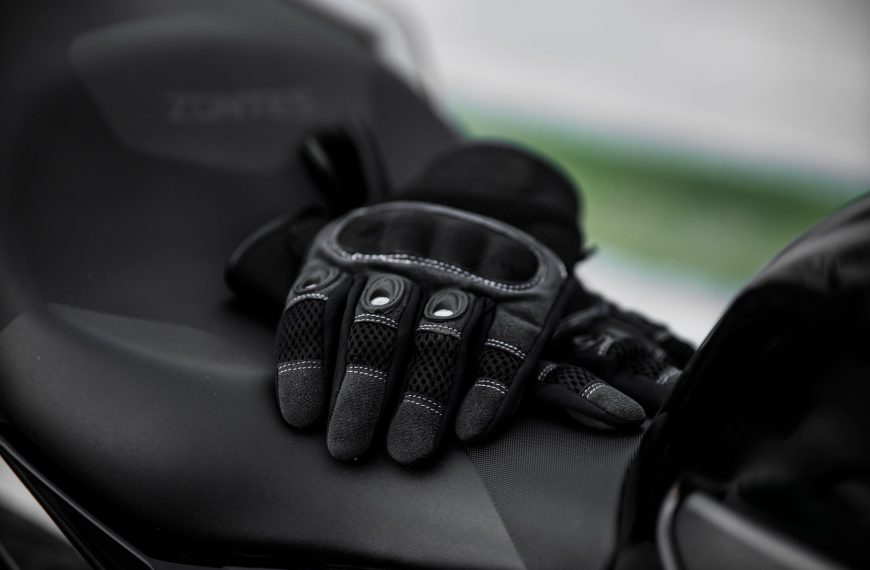
This year, adventure bikers are making bikes with a purpose, selecting components that address practical issues encountered on gravel, sand, mixed pavement, and backroads. The trend is less about flash and more about range, comfort, control, and field serviceability.
Riders want machines that handle long days without feeling overloaded. From protection parts to luggage systems, the best upgrades help the bike stay predictable, easier to repair, and ready for changing terrain. Here are some smart accessories adventure bike riders are embracing this year:
1. Protection That Handles Real Impacts
Due to the harmful nature of adventure routes, it is essential to prioritize upgrading skid plates, crash bars, hand guards, and radiator guards. A mild tip-over on rock can crack plastic, bend levers, or damage cooling fins.
Riders shopping for dual-sport machines often compare the best KLR650 accessories while planning protection, drive, brake, electrical, and handlebar upgrades that match long-distance use. Good protection adds weight, so the goal is coverage without turning the bike into a heavy pack mule.
A skid plate should cover the frame cradle, lower engine cases, and drain plug area. Aluminum spreads impacts well, while high-density plastic can slide over logs and rocks quietly. Crash bars should mount at strong points and avoid blocking routine maintenance.
2. Luggage Built for Balance
Soft bags are becoming more popular due to their lightweight and bending properties in the event of a fall. Hard cases still suit commuting and paved travel, but many riders choose soft panniers for dirt-heavy routes. The key is keeping weight low and close to the centerline.
Rackless systems reduce hardware, while side racks give bags a stable base. Waterproof liners matter more than outer fabric claims, since dust and rain find weak seams quickly. Riders also add small tank bags for maps, snacks, batteries, and tools that need quick access during stops.
3. Comfort for Long Days
Seat upgrades, wider foot pegs, wind screens, and handlebar risers help riders stay relaxed after hours in the saddle. Comfort features double as safety features because weariness diminishes control. A seat should support movement, not lock the rider into one position.
Wider foot pegs spread pressure through riding boots and improve standing control. Risers can help taller riders, but too much height may reduce front-end feel. Wind screens work best when they calm chest pressure without pushing turbulent air at the helmet.
4. Suspension and Load Control
Adventure bikes often carry tools, camping gear, water, and extra fuel. Stock suspension may sag too much under that load. Riders are adding springs matched to body weight and cargo, then setting sag before changing damping.
Correct sag keeps steering geometry closer to normal. That means better turn-in, steadier braking, and less wallowing on rough roads. Fresh fork oil and quality shock service can also restore control on older bikes. Suspension upgrades rarely look dramatic, yet they often change the ride more than visible parts.
5. Tires for Mixed Surfaces
People now take their time choosing tires. Riders are moving away from one-size-fits-all thinking and matching tread to route plans. A tire with open blocks can clear mud and bite into loose ground. A tighter pattern lasts longer and feels calmer on pavement.
Pressure also matters. Lower pressure can improve grip off pavement, but it raises pinch-flat risk. Many riders add heavy-duty tubes, rim locks, or tubeless repair kits based on wheel design. The best setup balances traction, heat, load, and repair options.
6. Lighting and Electrical Reliability
Auxiliary lights, stronger batteries, heated grips, and charging ports are common additions. Riders want better visibility during early starts, late arrivals, and inclement weather. Lights should be aimed carefully, since glare can reduce safety for traffic ahead.
Electrical accessories should use fused circuits, clean routing, and weather-resistant connectors. A small voltmeter helps spot charging issues before a weak battery ends a ride. Heated grips draw power, so riders should confirm the charging system can support them with other accessories running.
7. Tools and Field Repair Gear
Compact tool rolls are replacing bulky kits. Riders carry axle tools, tire levers, patches, spare tubes, chain links, wire, tape, and basic fasteners. The most useful kit matches the bike exactly.
A tool is only helpful if the rider has practiced using it. Tire repairs, chain adjustment, lever replacement, and battery access should be tested at home. That habit reveals missing sockets, awkward fasteners, and parts that need anti-seize before a trip.
Conclusion
This year’s adventure upgrades show a practical shift. Riders are choosing accessories that protect key parts, manage weight, improve comfort, and reduce trouble far from home. The strongest setup starts with the route, the load, and the rider’s maintenance habits.
A bike does not need every accessory at once. It needs the right parts in the right order, fitted well, tested early, and trusted before the next long ride.


